THE ADVENTURE COLLECTIVE® · Independent discovery and booking for outdoor travel

Clip in as the Atlantic pulls the light away—this three-hour guided climb on Gran Canaria pairs volcanic rock moves with a sunset that rearranges the island’s colors. Ideal for beginner climbers, the experience combines hands-on coaching with coastal views and practical route work.
Clip in as the Atlantic pulls the light away—this three-hour guided climb on Gran Canaria pairs volcanic rock moves with a sunset that rearranges the island’s colors. Ideal for beginner climbers, the experience combines hands-on coaching with coastal views and practical route work.
The cliff exhales late light as you clip in: ocean spray low below, wind tracing the edges of the basalt. On Gran Canaria a short scramble and a few confident moves put you on faces shaped by ancient lava flows, and the instructor guides your rhythm as the sun slips toward the horizon.
Verified experiences and guided adventures in the surrounding area.
The cliff exhales late light as you clip in: ocean spray low below, wind tracing the edges of the basalt. On Gran Canaria a short scramble and a few confident moves put you on faces shaped by ancient lava flows, and the instructor guides your rhythm as the sun slips toward the horizon.
Gran Canaria’s cliffs are a product of volcanic pulses that carved ridges and sea cliffs over millions of years; climbing here mixes solid volcanic tuff and basalt features with expansive Atlantic views. The island’s human story—from Guanche settlements to modern fishing villages—means many crags sit near small towns where Canarian culture and seafood restaurants await after a session.
Expect short multi-pitch or single-pitch sport lines suitable for beginners under guided instruction. Routes emphasize footwork on textured rock and smart rope management rather than overhanging gym-style moves. As the light shifts, routes cool quickly; currents and sea breezes often push a chill inland and paints the rock a deeper color.
Practical guidance: arrive hydrated, keep a lightweight wind layer for the descent, and wear sturdy shoes for the approach. Local guides supply ropes, harnesses, and helmets, but bring personal climbing shoes if you have them for fit. Sessions run about three hours: instruction, warm-up routes, and a sunset climb with time for photos. Plan transport back before full dark or confirm a headlamp is available. Respect nesting seabirds and avoid leaving gear on ledges—the island’s sharp rock and changing weather demand focus and simple preparedness.
moderate.
3 hours.
Suitable for people in reasonable aerobic shape who can manage short steep approaches and stand on feet for extended belays
No—guides teach the basics, including knots and belaying; being comfortable with heights and following safety instructions is essential.
Yes—most tours provide ropes, harnesses, helmets and quickdraws; bringing personal climbing shoes is recommended if you have them.
Tours are often rescheduled or canceled in strong winds or heavy rain for safety; check cancellation and rebooking policies when you book.
Age limits vary—many operators accept teenagers with adequate supervision; check minimum age and weight limits before booking.
Gran Canaria’s landscape is volcanic; early Guanche inhabitants lived in caves and terraces, and modern coastal towns preserve fishing traditions.
Stay on established approach trails, avoid disturbing nesting birds on cliffs, and pack out all trash—coastal ecosystems here are fragile and visitation-sensitive.
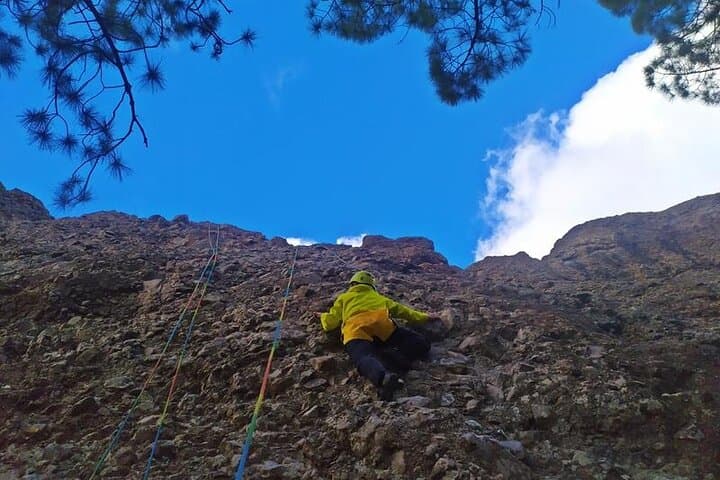
The cliff exhales late light as you clip in: ocean spray low below, wind tracing the edges of the basalt. On Gran Canaria a short scramble and a few confident moves put you on faces shaped by ancient lava flows, and the instructor guides your rhythm as the sun slips toward the horizon.
The cliff exhales late light as you clip in: ocean spray low below, wind tracing the edges of the basalt. On Gran Canaria a short scramble and a few confident moves put you on faces shaped by ancient lava flows, and the instructor guides your rhythm as the sun slips toward the horizon.
Gran Canaria’s cliffs are a product of volcanic pulses that carved ridges and sea cliffs over millions of years; climbing here mixes solid volcanic tuff and basalt features with expansive Atlantic views. The island’s human story—from Guanche settlements to modern fishing villages—means many crags sit near small towns where Canarian culture and seafood restaurants await after a session.
Expect short multi-pitch or single-pitch sport lines suitable for beginners under guided instruction. Routes emphasize footwork on textured rock and smart rope management rather than overhanging gym-style moves. As the light shifts, routes cool quickly; currents and sea breezes often push a chill inland and paints the rock a deeper color.
Practical guidance: arrive hydrated, keep a lightweight wind layer for the descent, and wear sturdy shoes for the approach. Local guides supply ropes, harnesses, and helmets, but bring personal climbing shoes if you have them for fit. Sessions run about three hours: instruction, warm-up routes, and a sunset climb with time for photos. Plan transport back before full dark or confirm a headlamp is available. Respect nesting seabirds and avoid leaving gear on ledges—the island’s sharp rock and changing weather demand focus and simple preparedness.