THE ADVENTURE COLLECTIVE® · Independent discovery and booking for outdoor travel

Spend an afternoon moving from secluded tunnel shrines to a mountaintop golden chedi. This private half-day tour pairs forested meditation grounds at Wat Umong with the sunset chanting and city views at Doi Suthep.
Spend an afternoon moving from secluded tunnel shrines to a mountaintop golden chedi. This private half-day tour pairs forested meditation grounds at Wat Umong with the sunset chanting and city views at Doi Suthep.
You leave Chiang Mai’s heat and grid into cool, pine-scented thin air as the van climbs toward Doi Suthep.
Verified experiences and guided adventures in the surrounding area.
Operated by AP Good@travel · Chiang Mai, Chiang Mai Province
You leave Chiang Mai’s heat and grid into cool, pine-scented thin air as the van climbs toward Doi Suthep.
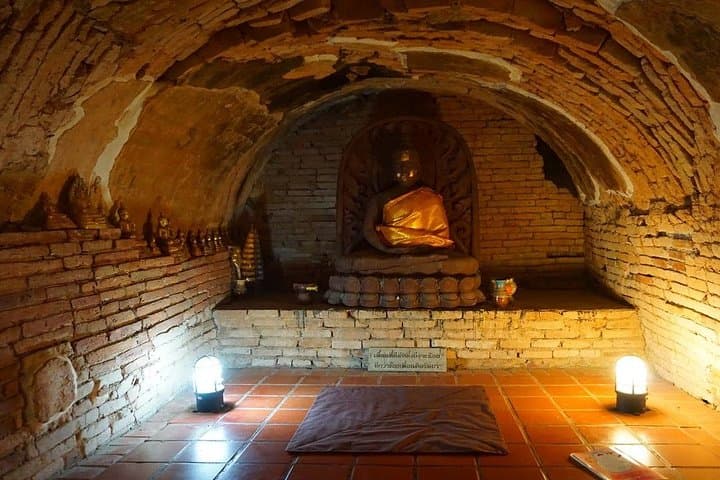
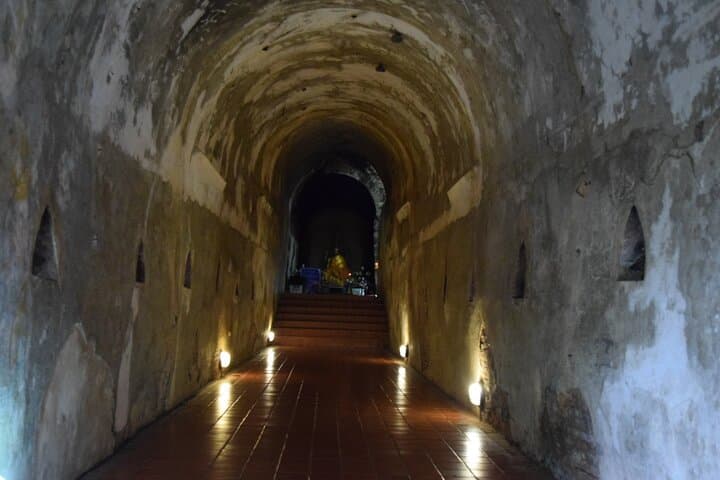
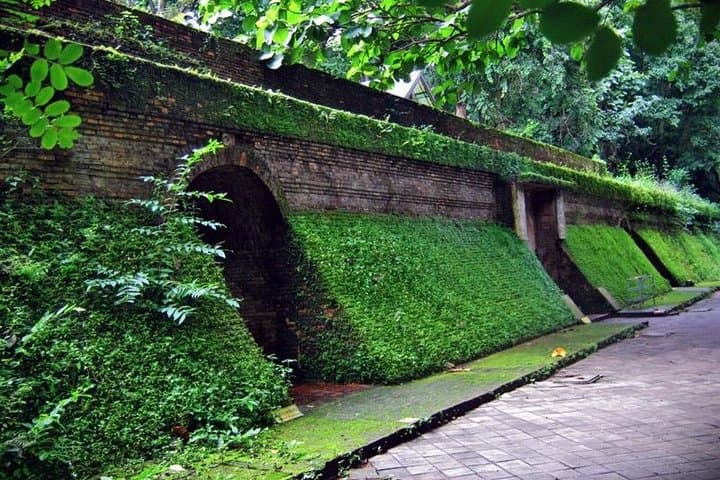
First stop is Wat Umong, a 700-year-old tunnel temple where mossed brick galleries and a quiet lake encourage a slow, grounded pace. The tunnel walls keep whispers close; the forest seems to lean in, as if listening. From here the route moves higher to Palad Temple, a lesser-known terrace with forest paths and a seasonal waterfall that offers a sudden, green surprise mid-ride.
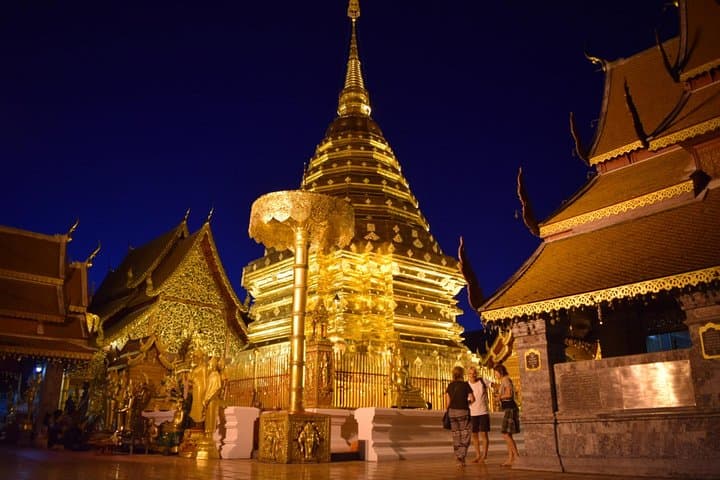
The final act is Wat Phra That Doi Suthep. Perched near the mountain crest since the 14th century, its golden chedi reflects late light and frames wide views across Chiang Mai’s rice plains and city roofs. Observing the monks’ chanting at sunset is both a sensory and cultural touchpoint—drone-like rhythms that structure the moment.
Geology here is simple: older volcanic ridges and well-drained soils create the steep, forested slopes; terraces below feed the valley farms. Culturally, Doi Suthep is a living pilgrimage site—built with royal patronage in 1373—so expect devotion, not just photo ops.
Practical guidance: wear modest clothing that covers shoulders and knees, bring water and steady shoes for the 306-step staircase or the short cable-car option, and time your visit so you arrive at Doi Suthep before sunset to catch the chanting and the light. Maintain silence during ceremonies, follow temple signage, and leave no trace on the mountain trails.
moderate.
4–5 hours.
Suitable for travelers in average fitness; includes short uphill walks and optional stair climb (306 steps)
Yes — the private tour includes hotel pickup in Chiang Mai city; confirm your pickup location when booking.
Admission to the listed temples is included as noted in the itinerary, but small donation fees may apply on-site for certain areas.
Infants and small children can ride in a stroller, but they must sit on an adult’s lap during the trip when required.
Chanting is a religious ceremony—remain silent, remove shoes before indoor areas, and avoid interrupting or photographing during the ritual unless instructed otherwise.
Doi Suthep’s main chedi dates to the late 14th century and has been a major northern Thai pilgrimage site; Wat Umong was restored in the mid-20th century as a meditation center in a forested setting.
Stick to marked paths to reduce erosion on the mountain slopes; support local conservation efforts by following temple rules and avoiding single-use plastics.
AP Good@travel operates guided outdoor trips and adventures with an emphasis on safety, stewardship, and memorable experiences.
You leave Chiang Mai’s heat and grid into cool, pine-scented thin air as the van climbs toward Doi Suthep.
You leave Chiang Mai’s heat and grid into cool, pine-scented thin air as the van climbs toward Doi Suthep.
First stop is Wat Umong, a 700-year-old tunnel temple where mossed brick galleries and a quiet lake encourage a slow, grounded pace. The tunnel walls keep whispers close; the forest seems to lean in, as if listening. From here the route moves higher to Palad Temple, a lesser-known terrace with forest paths and a seasonal waterfall that offers a sudden, green surprise mid-ride.
The final act is Wat Phra That Doi Suthep. Perched near the mountain crest since the 14th century, its golden chedi reflects late light and frames wide views across Chiang Mai’s rice plains and city roofs. Observing the monks’ chanting at sunset is both a sensory and cultural touchpoint—drone-like rhythms that structure the moment.
Geology here is simple: older volcanic ridges and well-drained soils create the steep, forested slopes; terraces below feed the valley farms. Culturally, Doi Suthep is a living pilgrimage site—built with royal patronage in 1373—so expect devotion, not just photo ops.
Practical guidance: wear modest clothing that covers shoulders and knees, bring water and steady shoes for the 306-step staircase or the short cable-car option, and time your visit so you arrive at Doi Suthep before sunset to catch the chanting and the light. Maintain silence during ceremonies, follow temple signage, and leave no trace on the mountain trails.