THE ADVENTURE COLLECTIVE® · Independent discovery and booking for outdoor travel

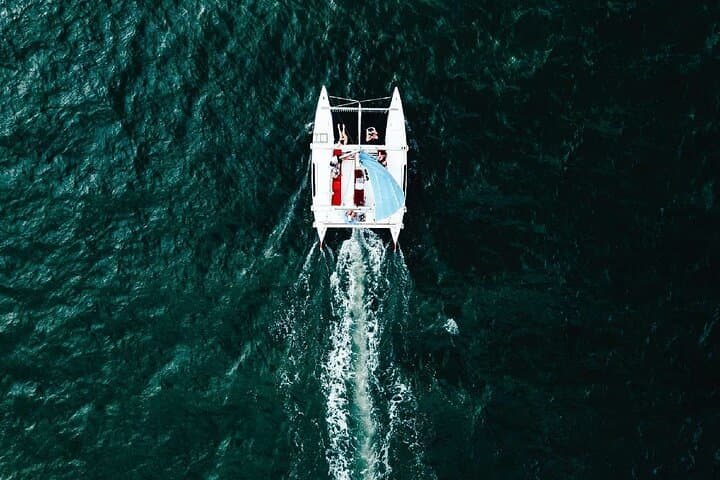
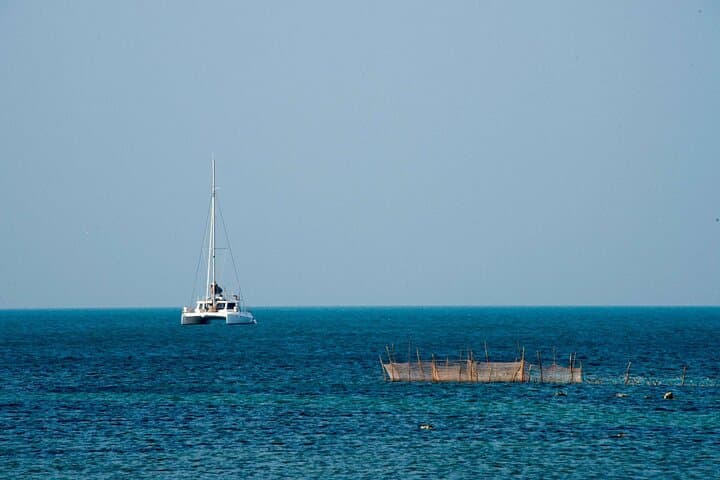
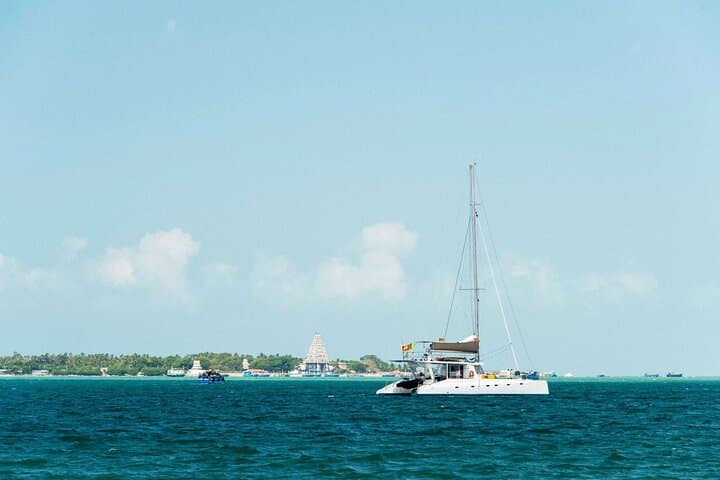
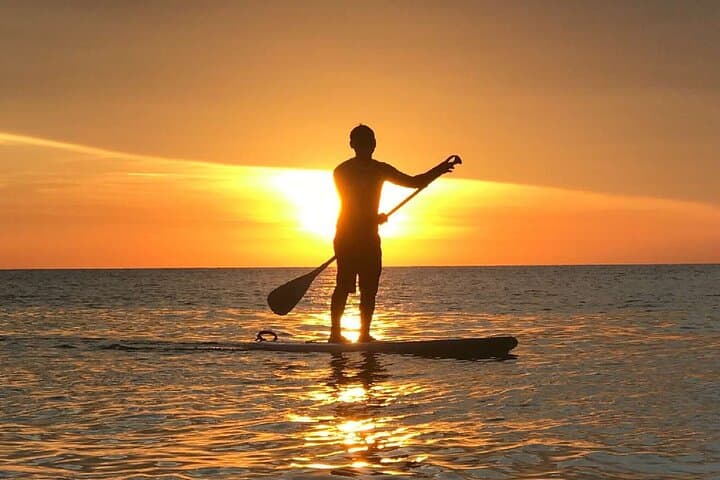
Board a three-hour catamaran at Dutch Bay and watch Trincomalee’s coastline change color as you sail past the Koneswaram promontory. Swim, snorkel or try stand-up paddleboarding while the crew serves drinks and snacks.
Board a three-hour catamaran at Dutch Bay and watch Trincomalee’s coastline change color as you sail past the Koneswaram promontory. Swim, snorkel or try stand-up paddleboarding while the crew serves drinks and snacks.
The catamaran slips away from Dutch Bay as the shoreline of Trincomalee eases into long, low cliffs and sandy faces. Salt air fills the cockpit, and the crew steers toward the rocky promontory that holds the Koneswaram (Thirukoneshwaram) temple—its silhouette a landmark against the sinking sun. For three hours you’ll move through changing blues of the Indian Ocean, pause to swim or stand-up paddle under the temple’s watch, and, if conditions allow, slip a mask on to see coral and reef fish below.
Verified experiences and guided adventures in the surrounding area.
Operated by Tuktukdude Leisure · Trincomalee, Eastern Province
The catamaran slips away from Dutch Bay as the shoreline of Trincomalee eases into long, low cliffs and sandy faces. Salt air fills the cockpit, and the crew steers toward the rocky promontory that holds the Koneswaram (Thirukoneshwaram) temple—its silhouette a landmark against the sinking sun. For three hours you’ll move through changing blues of the Indian Ocean, pause to swim or stand-up paddle under the temple’s watch, and, if conditions allow, slip a mask on to see coral and reef fish below.
Trincomalee’s harbor has been a strategic port for centuries: Tamil and Sinhalese communities, Portuguese and Dutch colonial periods, and centuries of fishing culture all leave traces along the coast. Geologically, the area is defined by granite headlands and shallow continental shelf that lets the sea run clear and warm—ideal for wading long distances from shore and for snorkelers to explore shallow reefs.
Culturally, expect a working coastline: local fishermen still cast nets from small outrigger boats, and seafood markets pulse with activity at dawn. The cruise highlights both leisure and local life—sunset views, a cooling swim, and the chance to paddle in calm waters.
Practical guidance: book the late-afternoon slot for the best light; bring reef-safe sunscreen, a light windbreaker for the return, and secure footwear for boarding. Weather and water clarity determine snorkeling availability, and operators typically provide basic masks or SUPs. Arrive at Dutch Bay 15–30 minutes early for boarding, and keep passport details handy if required. This is an easy, low-impact way to experience Trincomalee’s coast with minimal exertion but maximum scenery.
easy.
3 hours.
Suitable for most fitness levels; be comfortable boarding a small yacht and entering shallow water for swims or SUP.
Boarding is at Dutch Bay (Trincomalee Yacht Club area); confirm exact meeting point and arrival time with the operator and arrive 15–30 minutes early.
Snorkeling is offered when water clarity and weather permit; crew provide basic equipment but bringing your own mask can improve fit and comfort.
Yes—calm shallow waters near the anchorage make SUP accessible for beginners, and crew usually give a short orientation.
Operators typically cancel for rough seas or unsafe conditions; policies vary, so confirm refund or rebooking terms at booking time.
Koneswaram Temple sits on Swami Rock and has been an important Tamil Hindu site for centuries; the promontory has strategic and cultural significance dating to colonial eras.
Avoid anchoring on coral, use reef-safe sunscreens, and follow crew guidance to minimize disturbance to reefs and marine life.
Tuktukdude Leisure operates guided outdoor trips and adventures with an emphasis on safety, stewardship, and memorable experiences.
The catamaran slips away from Dutch Bay as the shoreline of Trincomalee eases into long, low cliffs and sandy faces. Salt air fills the cockpit, and the crew steers toward the rocky promontory that holds the Koneswaram (Thirukoneshwaram) temple—its silhouette a landmark against the sinking sun. For three hours you’ll move through changing blues of the Indian Ocean, pause to swim or stand-up paddle under the temple’s watch, and, if conditions allow, slip a mask on to see coral and reef fish below.
The catamaran slips away from Dutch Bay as the shoreline of Trincomalee eases into long, low cliffs and sandy faces. Salt air fills the cockpit, and the crew steers toward the rocky promontory that holds the Koneswaram (Thirukoneshwaram) temple—its silhouette a landmark against the sinking sun. For three hours you’ll move through changing blues of the Indian Ocean, pause to swim or stand-up paddle under the temple’s watch, and, if conditions allow, slip a mask on to see coral and reef fish below.
Trincomalee’s harbor has been a strategic port for centuries: Tamil and Sinhalese communities, Portuguese and Dutch colonial periods, and centuries of fishing culture all leave traces along the coast. Geologically, the area is defined by granite headlands and shallow continental shelf that lets the sea run clear and warm—ideal for wading long distances from shore and for snorkelers to explore shallow reefs.
Culturally, expect a working coastline: local fishermen still cast nets from small outrigger boats, and seafood markets pulse with activity at dawn. The cruise highlights both leisure and local life—sunset views, a cooling swim, and the chance to paddle in calm waters.
Practical guidance: book the late-afternoon slot for the best light; bring reef-safe sunscreen, a light windbreaker for the return, and secure footwear for boarding. Weather and water clarity determine snorkeling availability, and operators typically provide basic masks or SUPs. Arrive at Dutch Bay 15–30 minutes early for boarding, and keep passport details handy if required. This is an easy, low-impact way to experience Trincomalee’s coast with minimal exertion but maximum scenery.