THE ADVENTURE COLLECTIVE® · Independent discovery and booking for outdoor travel

Board a south Lanzarote catamaran from Puerto del Carmen for a four-hour sunset cruise that combines dolphin watching, mojitos and canapés. Expect calm seas, volcanic coastal views and prime golden-hour light for photos.
Board a south Lanzarote catamaran from Puerto del Carmen for a four-hour sunset cruise that combines dolphin watching, mojitos and canapés. Expect calm seas, volcanic coastal views and prime golden-hour light for photos.
The catamaran slips away from Puerto del Carmen as the Atlantic drafts the sky in slow, liquid color.
Verified experiences and guided adventures in the surrounding area.
Operated by Tour2b · Puerto del Carmen, Canary Islands
The catamaran slips away from Puerto del Carmen as the Atlantic drafts the sky in slow, liquid color.
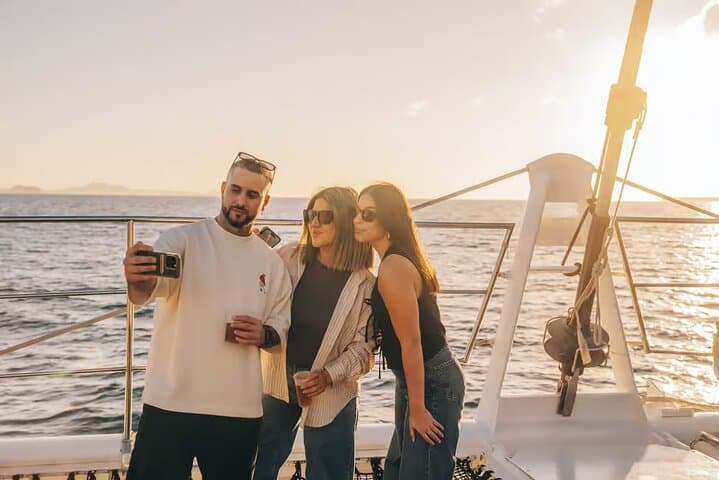
You stand on a broad foredeck, mojito in hand, while the boat heels gently and the coastline of southern Lanzarote recedes into low, volcanic silhouettes. The guide eases the engine; the sea takes the lead. Dolphins sometimes arc ahead, curious and quick, their dorsal fins cutting the water like punctuation.
Lanzarote’s southern shore is volcanic ground laid down by eruptions that shaped black lava fields, low cliffs and sheltered bays. Settlements like Puerto del Carmen grew around fishing and salt pans; today the coast balances tourism with working harbors. The light here — clear, with a late golden hour — is why locals prize these sunsets.
Culturally, the cruise is a relaxed social ritual: light canapés, shared views, and the rhythm of waves that have guided fishermen for centuries. Geology and oceanography intersect: shallow continental shelf waters attract small cetaceans and seabirds feeding on anchovy and mackerel runs.
Practical notes: the outing is about four hours and suitable for most fitness levels; decks are stable but can be slippery. Bring layered wind protection, sunblock, and a small bag for seasickness remedies if you’re prone. Plan to arrive early to board calmly and secure a forward spot for unobstructed views. Photography is best in the last hour as the sun lowers — hold your camera steady and protect lenses from spray.
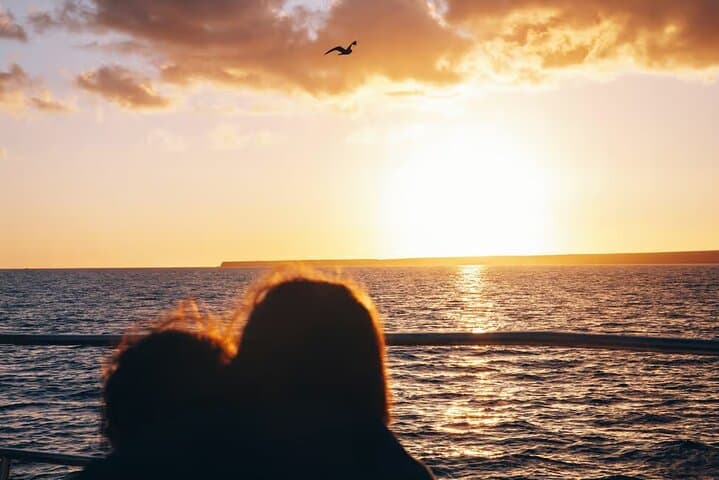
Even without guaranteed dolphin sightings, the sunset crossing delivers sensory payoff: sea-salt air, shifting light, and the steady hush of an island sliding into evening.
easy.
4 hours.
Suitable for most fitness levels; ability to climb a short set of gangway steps and stand for periods recommended
No — dolphins are wild and sightings aren’t guaranteed, though the coastal waters are frequented by common dolphins and sightings are common.
The tour lasts about four hours and departs from Puerto del Carmen’s harbor on Lanzarote’s south coast.
Yes — the activity is classified as easy and accommodates most ages, though mobility-limited guests should check boarding assistance and boat accessibility in advance.
A welcome mojito, canapés and one additional drink (beer, sangria, soft drinks or water) are included; transfers may be optional at extra cost.
Southern Lanzarote grew from 18th–20th century fishing and salt production; volcanic eruptions in the 18th century shaped much of the island’s coastline.
Operators typically follow guidelines to avoid disturbing marine mammals; respect viewing distances and avoid feeding wildlife to minimize impact.
Tour2b operates guided outdoor trips and adventures with an emphasis on safety, stewardship, and memorable experiences.
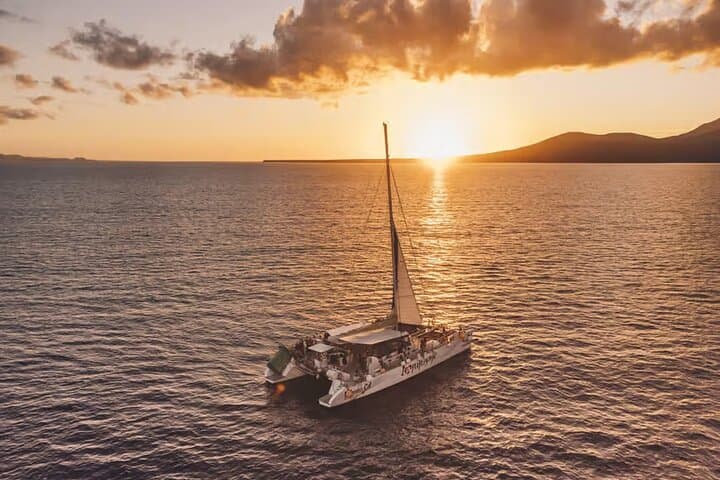
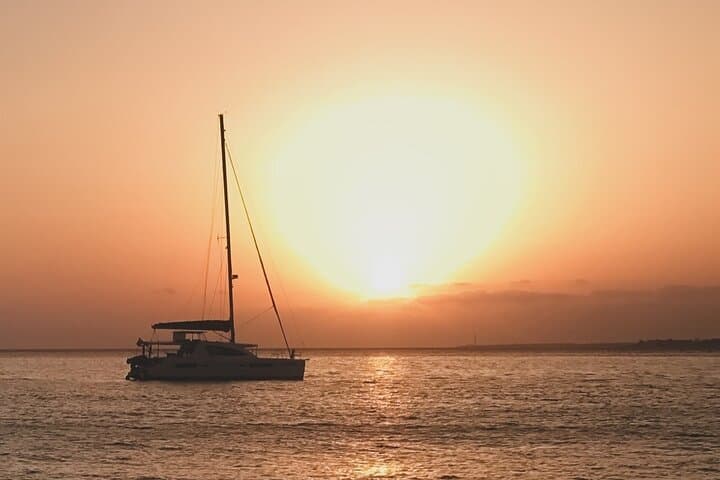
The catamaran slips away from Puerto del Carmen as the Atlantic drafts the sky in slow, liquid color.
The catamaran slips away from Puerto del Carmen as the Atlantic drafts the sky in slow, liquid color.
You stand on a broad foredeck, mojito in hand, while the boat heels gently and the coastline of southern Lanzarote recedes into low, volcanic silhouettes. The guide eases the engine; the sea takes the lead. Dolphins sometimes arc ahead, curious and quick, their dorsal fins cutting the water like punctuation.
Lanzarote’s southern shore is volcanic ground laid down by eruptions that shaped black lava fields, low cliffs and sheltered bays. Settlements like Puerto del Carmen grew around fishing and salt pans; today the coast balances tourism with working harbors. The light here — clear, with a late golden hour — is why locals prize these sunsets.
Culturally, the cruise is a relaxed social ritual: light canapés, shared views, and the rhythm of waves that have guided fishermen for centuries. Geology and oceanography intersect: shallow continental shelf waters attract small cetaceans and seabirds feeding on anchovy and mackerel runs.
Practical notes: the outing is about four hours and suitable for most fitness levels; decks are stable but can be slippery. Bring layered wind protection, sunblock, and a small bag for seasickness remedies if you’re prone. Plan to arrive early to board calmly and secure a forward spot for unobstructed views. Photography is best in the last hour as the sun lowers — hold your camera steady and protect lenses from spray.
Even without guaranteed dolphin sightings, the sunset crossing delivers sensory payoff: sea-salt air, shifting light, and the steady hush of an island sliding into evening.