THE ADVENTURE COLLECTIVE® · Independent discovery and booking for outdoor travel

Ride a camel across Erg Chebbi at dusk, watch the dunes ignite with color, and try sandboarding on mellow slopes. This easy, sensory desert experience pairs local Berber hospitality with quiet, wide-open landscapes.
Ride a camel across Erg Chebbi at dusk, watch the dunes ignite with color, and try sandboarding on mellow slopes. This easy, sensory desert experience pairs local Berber hospitality with quiet, wide-open landscapes.
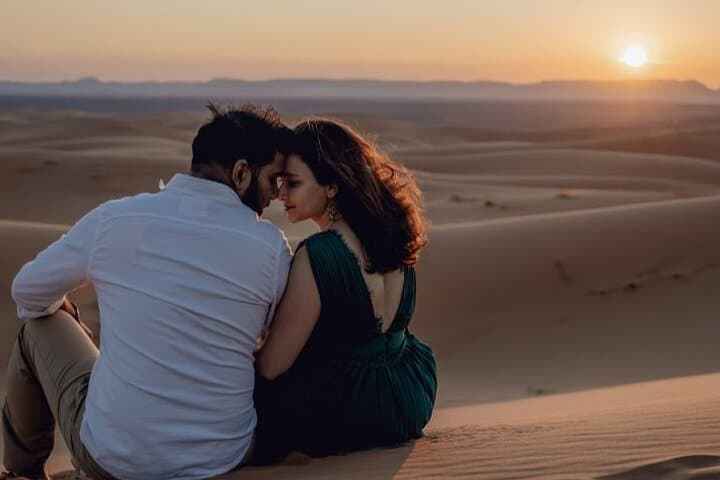
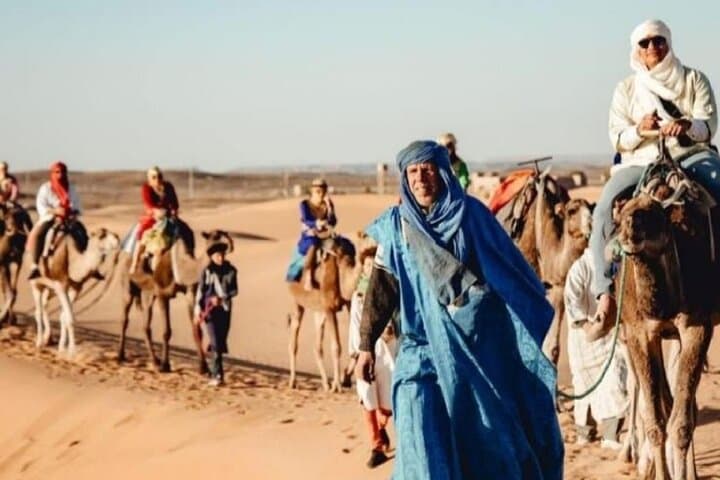
The first step off the truck is into a stillness that seems to stretch for miles. Camels file forward, their swaying pace matching the slow slide of light across Erg Chebbi’s dunes. As the caravan moves, wind-swept ridges sharpen into a skyline of gold and ochre; the sun lowers and the sand drinks color until only cool blue traces remain.
Verified experiences and guided adventures in the surrounding area.
Operated by Morocco Sahara Exploration · Merzouga, Errachidia Province
The first step off the truck is into a stillness that seems to stretch for miles. Camels file forward, their swaying pace matching the slow slide of light across Erg Chebbi’s dunes. As the caravan moves, wind-swept ridges sharpen into a skyline of gold and ochre; the sun lowers and the sand drinks color until only cool blue traces remain.
This part of the Sahara has long been shaped by Berber (Amazigh) life and trans-Saharan caravan routes; the dunes themselves are geologically recent, built by wind redistribution of fluvial sands from once-larger river systems. Local culture remains visible in camp life — mint tea poured with ceremony, simple tents, and Gnawa rhythms in nearby villages that speak to centuries of trade and migration.
Expect soft, ever-shifting terrain: dunes here can reach 100–150 meters in height, and the camel leg typically lasts 60–120 minutes, moving at the animal’s unhurried rhythm rather than a set distance. Sandboarding is usually done on gentler slopes near the camp; it’s less about speed and more about the feel of the dune under your board.
Practical notes: arrive with sun protection, plenty of water, and shoes that do well with fine sand. The cool after-sunset air can be sharp, so bring a light layer. The trek is suitable for most travelers but not recommended for those with serious back or heart conditions or for pregnant visitors. Photographers will find the hour before sunset richest — but be ready for shifting light and blowing sand. If you want a longer immersion, opt for an overnight camp to trade the day's heat for a clear, cold night of stars.
easy.
1–2 hours.
Suitable for most fitness levels; must be able to mount/dismount a camel and sit for up to two hours.
The standard sunset camel trek lasts about 60–120 minutes depending on the tour and pace; riders typically spend enough time to reach a high dune for sunset views.
Yes — most sunset treks that advertise sandboarding include a short session on nearby slopes using basic boards suited to soft sand.
Generally yes for children and older adults in good health, but it’s not recommended for people with spinal, heart conditions, or pregnancy due to mounting/dismounting and camel movement.
Tipping is customary; a modest amount per person for the camel handler and a small tip for camp staff is appreciated — adjust for service quality and group size.
Merzouga sits on routes historically used by Berber traders crossing the Sahara; the surrounding lifestyle and music reflect long-standing Amazigh and nomadic influences.
Water is scarce — limit usage and follow your guide’s instructions; avoid lighting uncontrolled campfires and pack out all waste to protect fragile dune ecology.
Morocco Sahara Exploration operates guided outdoor trips and adventures with an emphasis on safety, stewardship, and memorable experiences.
The first step off the truck is into a stillness that seems to stretch for miles. Camels file forward, their swaying pace matching the slow slide of light across Erg Chebbi’s dunes. As the caravan moves, wind-swept ridges sharpen into a skyline of gold and ochre; the sun lowers and the sand drinks color until only cool blue traces remain.
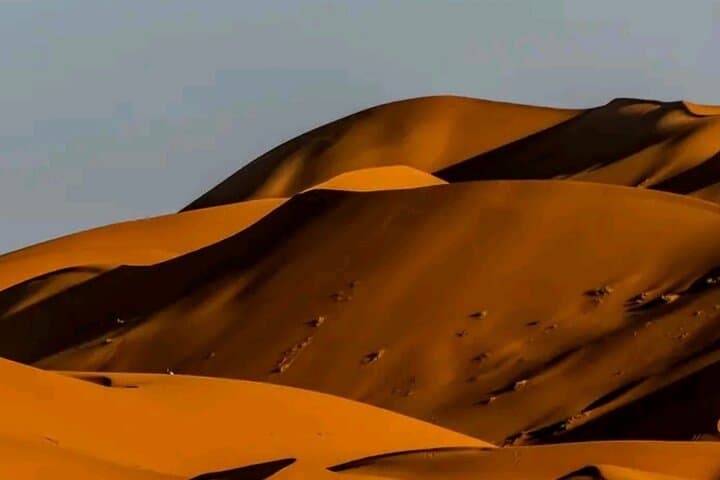
The first step off the truck is into a stillness that seems to stretch for miles. Camels file forward, their swaying pace matching the slow slide of light across Erg Chebbi’s dunes. As the caravan moves, wind-swept ridges sharpen into a skyline of gold and ochre; the sun lowers and the sand drinks color until only cool blue traces remain.
This part of the Sahara has long been shaped by Berber (Amazigh) life and trans-Saharan caravan routes; the dunes themselves are geologically recent, built by wind redistribution of fluvial sands from once-larger river systems. Local culture remains visible in camp life — mint tea poured with ceremony, simple tents, and Gnawa rhythms in nearby villages that speak to centuries of trade and migration.
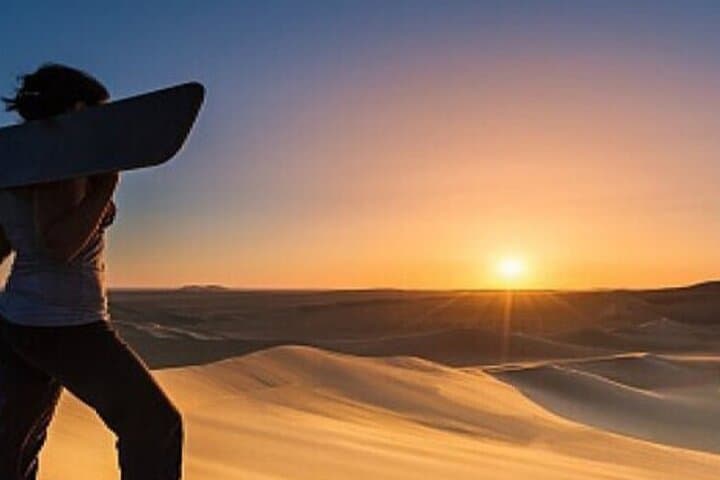
Expect soft, ever-shifting terrain: dunes here can reach 100–150 meters in height, and the camel leg typically lasts 60–120 minutes, moving at the animal’s unhurried rhythm rather than a set distance. Sandboarding is usually done on gentler slopes near the camp; it’s less about speed and more about the feel of the dune under your board.
Practical notes: arrive with sun protection, plenty of water, and shoes that do well with fine sand. The cool after-sunset air can be sharp, so bring a light layer. The trek is suitable for most travelers but not recommended for those with serious back or heart conditions or for pregnant visitors. Photographers will find the hour before sunset richest — but be ready for shifting light and blowing sand. If you want a longer immersion, opt for an overnight camp to trade the day's heat for a clear, cold night of stars.