THE ADVENTURE COLLECTIVE® · Independent discovery and booking for outdoor travel

Ride a camel through Marrakech’s Palmeraie at sunset, sip mint tea in a Berber dwelling, and see the Atlas Mountains frame the skyline. This short guided trek blends easy desert trails with cultural insight—ideal for travelers seeking an accessible taste of Morocco.
Ride a camel through Marrakech’s Palmeraie at sunset, sip mint tea in a Berber dwelling, and see the Atlas Mountains frame the skyline. This short guided trek blends easy desert trails with cultural insight—ideal for travelers seeking an accessible taste of Morocco.
The late-afternoon light thins as you drive north from the medina toward the Palmeraie. Date palms line sandy tracks and the camels shuffle, patient and steady, as guides help you hoist into the saddle. For an hour you move through a green ribbon on the city’s edge, the Atlas Mountains cutting the horizon like a distant, snow-bright ridge.
Verified experiences and guided adventures in the surrounding area.
Operated by JD Morocco Tours, Sarl · Marrakech, Marrakech-Safi
The late-afternoon light thins as you drive north from the medina toward the Palmeraie. Date palms line sandy tracks and the camels shuffle, patient and steady, as guides help you hoist into the saddle. For an hour you move through a green ribbon on the city’s edge, the Atlas Mountains cutting the horizon like a distant, snow-bright ridge.
Palmeraie is an artificial oasis shaped by centuries of irrigation and cultivation; its palms once supported caravan routes and small agricultural holdings. Camels, long used across Morocco for transport and trade, provide both a slow-moving vantage point and a link to that history. Local Berber families still pour mint tea to welcome guests, an enduring ritual of hospitality.
Terrain is flat sandy trails between irrigated palm clumps and low scrub, with occasional resort developments nearby. Expect easy gait, regular stops for photos, and a short break at a traditional dwelling for mint tea and a snack. Weather swings between hot sun in summer and cool, crisp evenings in winter—plan clothing accordingly.
Practical tips: wear closed shoes and long pants to avoid saddle chafing, bring sunscreen and a scarf for dust, and carry water even if tea is provided. The ride suits travelers in moderate fitness; it’s not technically demanding but requires basic mobility to mount and dismount. Book around sunset for dramatic light, and confirm pickup from your riad or hotel. Respect animals and guides: follow instructions and avoid sudden movements around camels. This short, sensory ride delivers easy access to Morocco’s landscapes and living traditions without deep trekking—but it leaves a clear impression of place.
easy.
2–3 hours.
Suitable for travelers in moderate physical condition; requires ability to mount/dismount and sit on a camel for an hour
The guided camel portion lasts about one hour; the full excursion including pickup and tea totals roughly three hours.
Children can ride but operators may have age or weight guidelines; confirm during booking and use provided safety instructions.
Yes, traditional Berber-style garments such as a jellaba and scarf are usually provided for photos and comfort during the ride.
Most tours include pickup and drop-off from centrally located hotels or riads; confirm your pickup point when booking.
The Palmeraie was expanded over centuries through irrigation; camels were central to local transport and trade routes linking Marrakech with desert communities.
Water management and palm maintenance are ongoing concerns; visitors should avoid littering, minimize water use, and support operators who treat animals ethically.
JD Morocco Tours, Sarl operates guided outdoor trips and adventures with an emphasis on safety, stewardship, and memorable experiences.
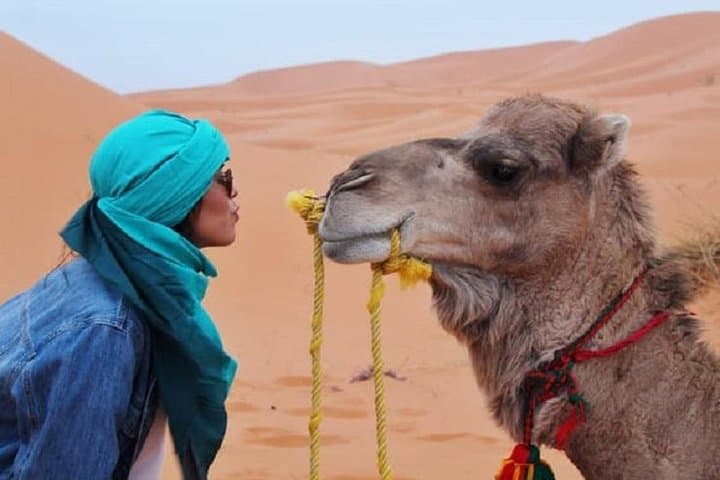
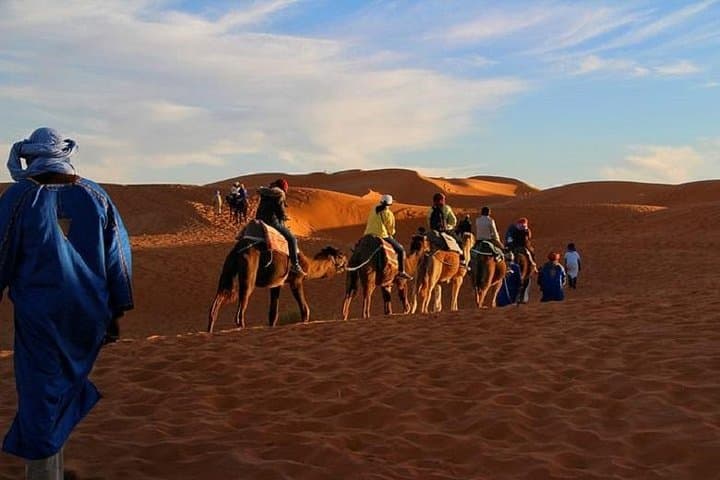
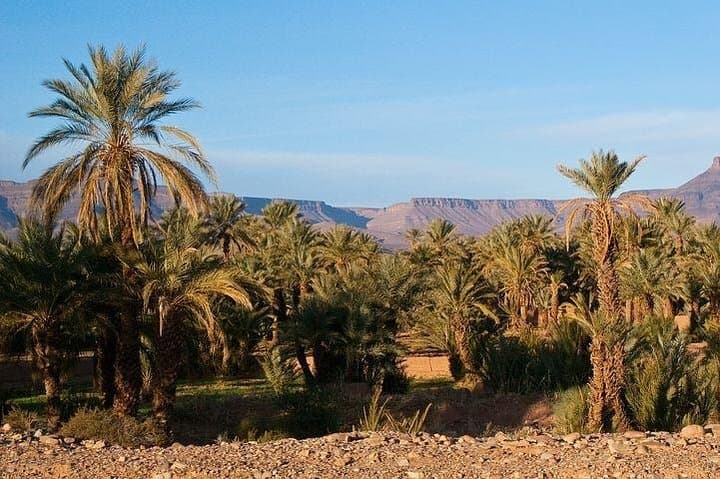
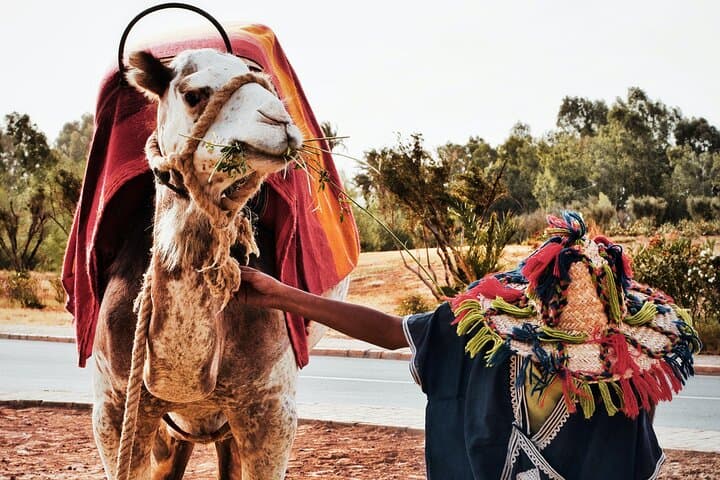
The late-afternoon light thins as you drive north from the medina toward the Palmeraie. Date palms line sandy tracks and the camels shuffle, patient and steady, as guides help you hoist into the saddle. For an hour you move through a green ribbon on the city’s edge, the Atlas Mountains cutting the horizon like a distant, snow-bright ridge.
The late-afternoon light thins as you drive north from the medina toward the Palmeraie. Date palms line sandy tracks and the camels shuffle, patient and steady, as guides help you hoist into the saddle. For an hour you move through a green ribbon on the city’s edge, the Atlas Mountains cutting the horizon like a distant, snow-bright ridge.
Palmeraie is an artificial oasis shaped by centuries of irrigation and cultivation; its palms once supported caravan routes and small agricultural holdings. Camels, long used across Morocco for transport and trade, provide both a slow-moving vantage point and a link to that history. Local Berber families still pour mint tea to welcome guests, an enduring ritual of hospitality.
Terrain is flat sandy trails between irrigated palm clumps and low scrub, with occasional resort developments nearby. Expect easy gait, regular stops for photos, and a short break at a traditional dwelling for mint tea and a snack. Weather swings between hot sun in summer and cool, crisp evenings in winter—plan clothing accordingly.
Practical tips: wear closed shoes and long pants to avoid saddle chafing, bring sunscreen and a scarf for dust, and carry water even if tea is provided. The ride suits travelers in moderate fitness; it’s not technically demanding but requires basic mobility to mount and dismount. Book around sunset for dramatic light, and confirm pickup from your riad or hotel. Respect animals and guides: follow instructions and avoid sudden movements around camels. This short, sensory ride delivers easy access to Morocco’s landscapes and living traditions without deep trekking—but it leaves a clear impression of place.