THE ADVENTURE COLLECTIVE® · Independent discovery and booking for outdoor travel

Watch sunset from a camel on the Giza Plateau, then eat a BBQ dinner beneath open desert sky. This private, five-hour tour pairs classic photo viewpoints with Bedouin-flavored hospitality and practical guidance for first-time visitors.
Watch sunset from a camel on the Giza Plateau, then eat a BBQ dinner beneath open desert sky. This private, five-hour tour pairs classic photo viewpoints with Bedouin-flavored hospitality and practical guidance for first-time visitors.
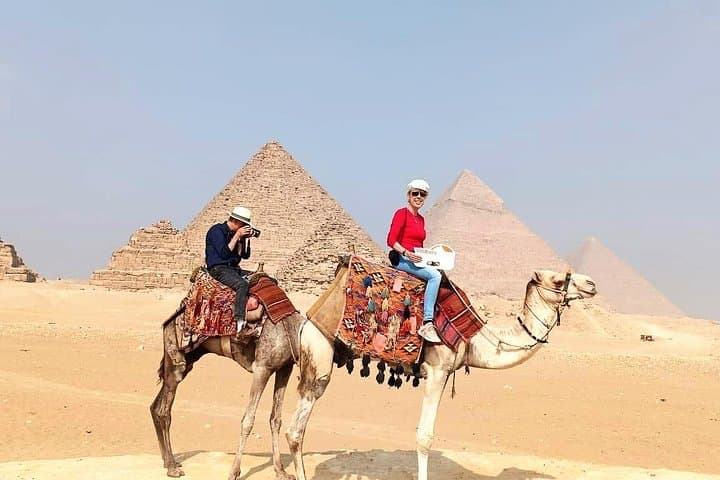
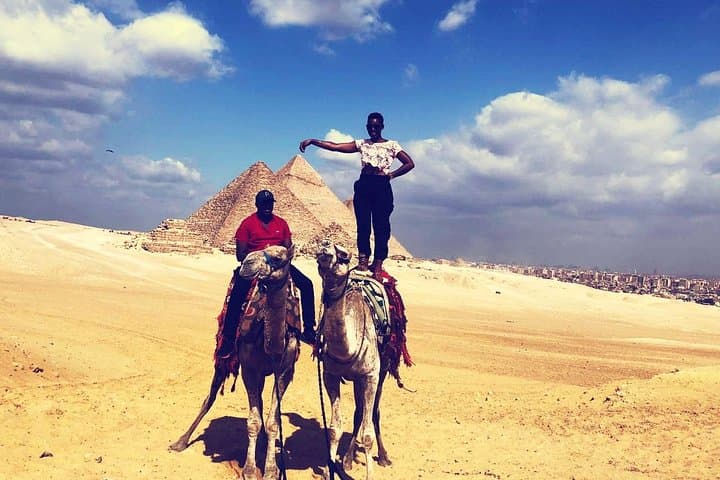
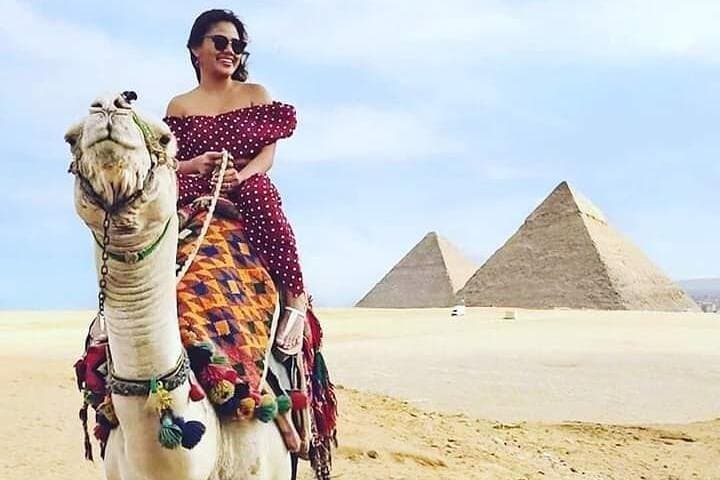
The sun leans low over the Giza Plateau and casts the Great Pyramid in long, ochre shadows as you settle into the sway of a camel’s gait. Sand whispers underfoot and the air cools; the pyramids loom like carved mountains, their blocks catching the last light. This is a walking-back-in-time moment—the modern city of Cairo a distant hum while the desert pulls attention to stone, sky and horizon.
Verified experiences and guided adventures in the surrounding area.
Operated by Visitors Egypt Tours · Giza, Giza Governorate
The sun leans low over the Giza Plateau and casts the Great Pyramid in long, ochre shadows as you settle into the sway of a camel’s gait. Sand whispers underfoot and the air cools; the pyramids loom like carved mountains, their blocks catching the last light. This is a walking-back-in-time moment—the modern city of Cairo a distant hum while the desert pulls attention to stone, sky and horizon.
The Pyramids of Giza date to Egypt’s Fourth Dynasty (around 2600–2500 BCE), built from limestone quarried nearby and set on the western edge of the Nile floodplain. The plateau’s hard calcareous sediments give the pyramids their color and solidity; wind and sand continue to shape faces and crevices. Bedouin culture has long threaded through life here—guides and camel handlers preserve skills passed down across generations.
Expect a gentle, guided camel ride timed for sunset, followed by a BBQ of grilled meats and salads under open desert sky. Photo stops at classic viewpoints are part of the itinerary; a local guide handles mounting, route choice and brief cultural context.
Practical guidance: wear closed-toe shoes for mounting and walking over uneven sand, bring at least 1.5 liters of water, and carry sun protection even at dusk. Cameras are welcome but ask before shooting people—many guides and handlers appreciate polite permission and small tips. The ride is low-impact but not recommended for those with spinal injuries or pregnancy. Plan for roughly five hours including hotel transfer, and schedule this early in your trip if you’re sensitive to crowds—sunset slots fill fast. Respect site signage and archaeological areas; keep the experience light on the landscape and heavy on the memories.
easy.
5 hours.
Suitable for most fitness levels; ability to mount a camel and stand on uneven ground required
The mounted portion typically lasts 20–40 minutes with multiple photo stops; the full experience including transfers and dinner is about 5 hours.
Yes for most children who can sit securely; handlers often assist mounting. Always check age or weight restrictions with the operator when booking.
Yes—cameras and phones are welcome; ask permission before photographing guides or handlers and avoid drone use unless specifically authorized.
Yes—private, air-conditioned pickup and drop-off from central Cairo hotels is usually included in the tour price.
The Giza plateau hosts monumental tombs from Egypt’s Old Kingdom; the Great Pyramid is attributed to Pharaoh Khufu and dates to c. 2560 BCE.
Visitor pressure and local development threaten fragile desert soils and archaeological context—stay on designated paths and avoid climbing monuments.
Visitors Egypt Tours operates guided outdoor trips and adventures with an emphasis on safety, stewardship, and memorable experiences.
The sun leans low over the Giza Plateau and casts the Great Pyramid in long, ochre shadows as you settle into the sway of a camel’s gait. Sand whispers underfoot and the air cools; the pyramids loom like carved mountains, their blocks catching the last light. This is a walking-back-in-time moment—the modern city of Cairo a distant hum while the desert pulls attention to stone, sky and horizon.
The sun leans low over the Giza Plateau and casts the Great Pyramid in long, ochre shadows as you settle into the sway of a camel’s gait. Sand whispers underfoot and the air cools; the pyramids loom like carved mountains, their blocks catching the last light. This is a walking-back-in-time moment—the modern city of Cairo a distant hum while the desert pulls attention to stone, sky and horizon.
The Pyramids of Giza date to Egypt’s Fourth Dynasty (around 2600–2500 BCE), built from limestone quarried nearby and set on the western edge of the Nile floodplain. The plateau’s hard calcareous sediments give the pyramids their color and solidity; wind and sand continue to shape faces and crevices. Bedouin culture has long threaded through life here—guides and camel handlers preserve skills passed down across generations.
Expect a gentle, guided camel ride timed for sunset, followed by a BBQ of grilled meats and salads under open desert sky. Photo stops at classic viewpoints are part of the itinerary; a local guide handles mounting, route choice and brief cultural context.
Practical guidance: wear closed-toe shoes for mounting and walking over uneven sand, bring at least 1.5 liters of water, and carry sun protection even at dusk. Cameras are welcome but ask before shooting people—many guides and handlers appreciate polite permission and small tips. The ride is low-impact but not recommended for those with spinal injuries or pregnancy. Plan for roughly five hours including hotel transfer, and schedule this early in your trip if you’re sensitive to crowds—sunset slots fill fast. Respect site signage and archaeological areas; keep the experience light on the landscape and heavy on the memories.