THE ADVENTURE COLLECTIVE® · Independent discovery and booking for outdoor travel

Ride a dromedary at dusk along Agadir’s broad Atlantic shore and watch the sky ripen into sunset. This easy, two-hour outing blends cultural context with a gentle coastal cruise.
Ride a dromedary at dusk along Agadir’s broad Atlantic shore and watch the sky ripen into sunset. This easy, two-hour outing blends cultural context with a gentle coastal cruise.
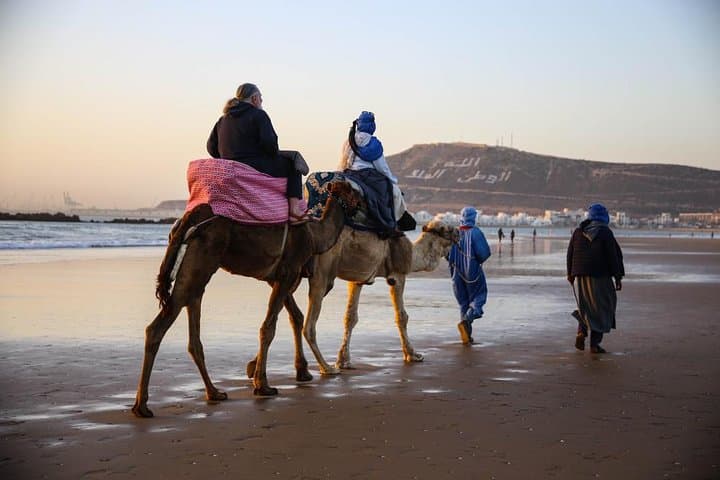
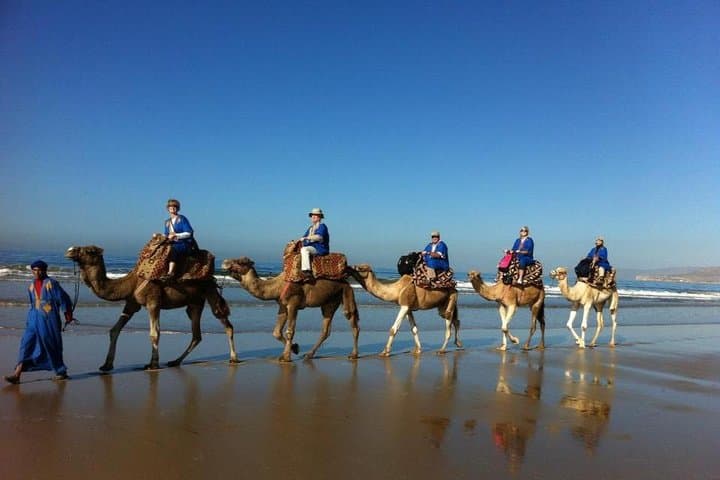
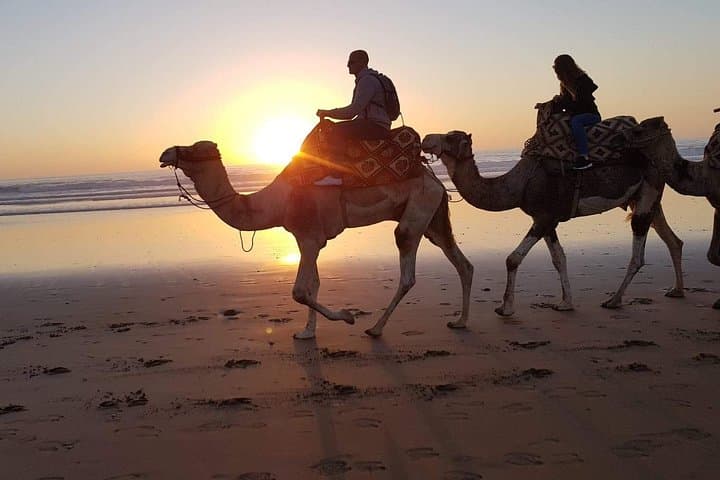
The wind off the Atlantic cools the last heat of the day as you stride onto Agadir’s wide, golden strand. Camels file along the wet sand with deliberate, rolling gait; the tide edges in and out like a slow, watching tide. As the sun slides toward the horizon, the sky strips itself into bands of orange and rose, and the beach takes on the deliberate hush of evening.
Verified experiences and guided adventures in the surrounding area.
Operated by Xtreeme Travel · Agadir, Souss-Massa
The wind off the Atlantic cools the last heat of the day as you stride onto Agadir’s wide, golden strand. Camels file along the wet sand with deliberate, rolling gait; the tide edges in and out like a slow, watching tide. As the sun slides toward the horizon, the sky strips itself into bands of orange and rose, and the beach takes on the deliberate hush of evening.
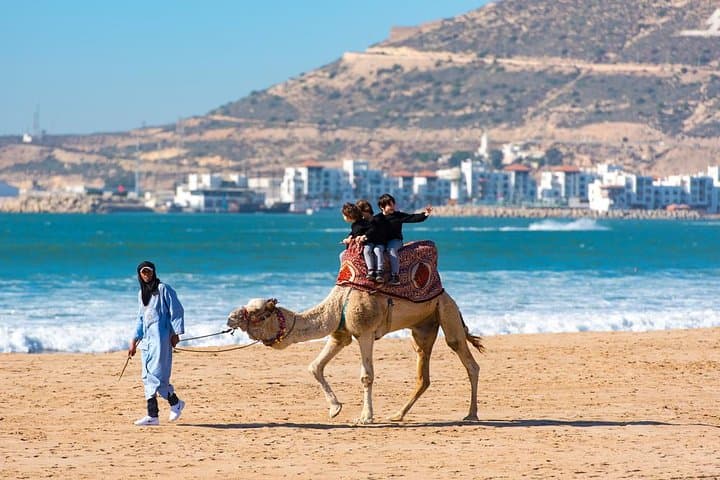
Camels have been part of Moroccan transport and culture for centuries — animals adapted to long hauls across arid land now offering coastal tableau rather than desert caravans. Geologically, Agadir’s coast is a blend of recent alluvial deposits and older Moroccan Atlantic shelf rock, the beach widening where river sediments meet the sea. The ride is as much cultural as visual: handlers often share brief notes on dromedary care and local fishing village rhythms, and you’ll glimpse Agadir Oufella’s ruined kasbah crowning a nearby hill.
Transitioning into practical detail: the experience is gentle and accessible, typically a 90–120 minute outing including pickup and drop-off. Expect slow, seated travel on a padded camel saddle — not a hike — with firm staff guidance when mounting and dismounting.
Plan for sun, reflective sand, and salt breeze: bring sun protection, a small water bottle, and a camera with a fast shutter. Respect camel welfare—follow handler instructions and avoid last-minute swings or sudden moves. The outing is ideal for photographers, families (with age considerations), and anyone wanting a low-effort way to feel closer to Morocco’s coastal life.
easy.
2 hours.
Minimal fitness required; appropriate for most people able to mount a camel with assistance
Most tours include round-trip pickup from central Agadir hotels; confirm your pickup point when booking.
Children can usually ride but policies vary by operator and camel; book ahead and disclose ages on reservation.
Reputable operators follow rest, water, and feed schedules — ask about animal care and opt for providers who rotate animals and limit ride lengths.
Comfortable, modest clothing that covers shoulders and knees is appropriate; avoid loose items that can flutter into the camel’s face.
Camels were central to regional trade routes and rural transport; along Morocco’s coast they now intersect with fishing communities and tourism economies.
The beach and dune systems are sensitive to trampling and vehicle use; choose operators that follow designated paths and prioritize camel welfare to reduce environmental and animal impact.
Xtreeme Travel operates guided outdoor trips and adventures with an emphasis on safety, stewardship, and memorable experiences.
The wind off the Atlantic cools the last heat of the day as you stride onto Agadir’s wide, golden strand. Camels file along the wet sand with deliberate, rolling gait; the tide edges in and out like a slow, watching tide. As the sun slides toward the horizon, the sky strips itself into bands of orange and rose, and the beach takes on the deliberate hush of evening.
The wind off the Atlantic cools the last heat of the day as you stride onto Agadir’s wide, golden strand. Camels file along the wet sand with deliberate, rolling gait; the tide edges in and out like a slow, watching tide. As the sun slides toward the horizon, the sky strips itself into bands of orange and rose, and the beach takes on the deliberate hush of evening.
Camels have been part of Moroccan transport and culture for centuries — animals adapted to long hauls across arid land now offering coastal tableau rather than desert caravans. Geologically, Agadir’s coast is a blend of recent alluvial deposits and older Moroccan Atlantic shelf rock, the beach widening where river sediments meet the sea. The ride is as much cultural as visual: handlers often share brief notes on dromedary care and local fishing village rhythms, and you’ll glimpse Agadir Oufella’s ruined kasbah crowning a nearby hill.
Transitioning into practical detail: the experience is gentle and accessible, typically a 90–120 minute outing including pickup and drop-off. Expect slow, seated travel on a padded camel saddle — not a hike — with firm staff guidance when mounting and dismounting.
Plan for sun, reflective sand, and salt breeze: bring sun protection, a small water bottle, and a camera with a fast shutter. Respect camel welfare—follow handler instructions and avoid last-minute swings or sudden moves. The outing is ideal for photographers, families (with age considerations), and anyone wanting a low-effort way to feel closer to Morocco’s coastal life.