THE ADVENTURE COLLECTIVE® · Independent discovery and booking for outdoor travel

Ride a dromedary through Marrakech’s Palmeraie at sunset, crossing avenues of palms and visiting nearby Berber villages for mint tea and pancakes. This two-hour tour pairs easy outdoor travel with local cultural contact and hotel pickup.
Ride a dromedary through Marrakech’s Palmeraie at sunset, crossing avenues of palms and visiting nearby Berber villages for mint tea and pancakes. This two-hour tour pairs easy outdoor travel with local cultural contact and hotel pickup.
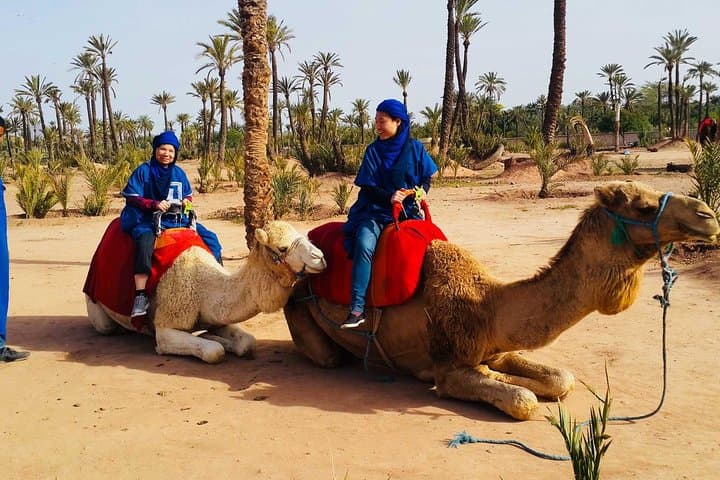
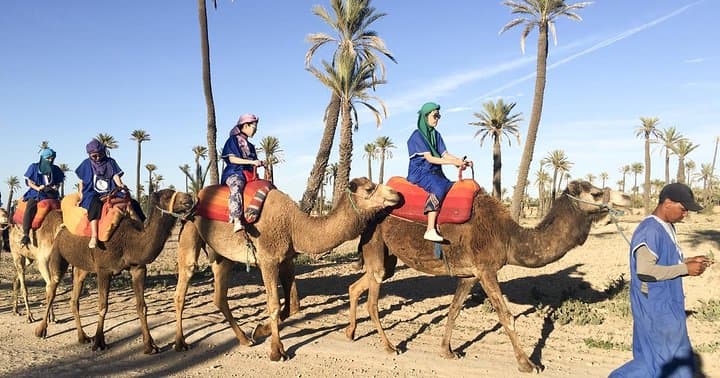
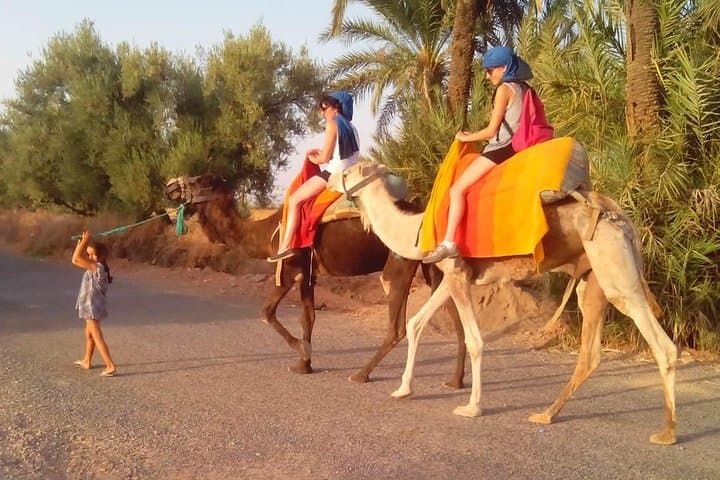
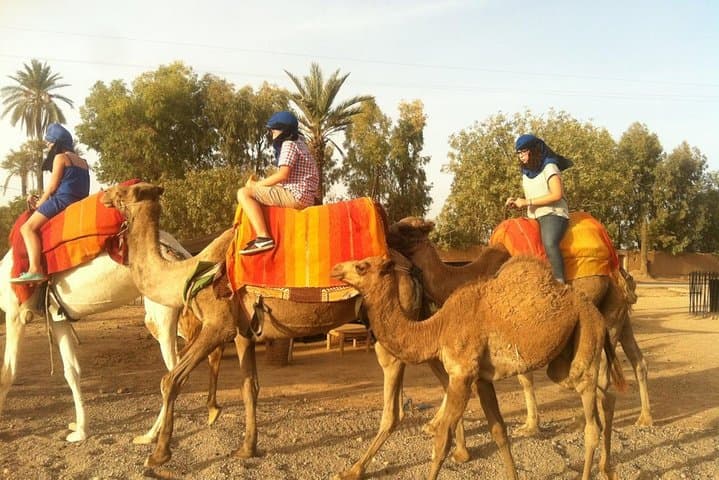
You climb into a woven saddle as the sun drops copper light across a river of palms. The dromedary rises with a soft creak and the Palmeraie opens—a deliberate, living grid of trunks and fronds that cools the air and redirects the city’s heat.
Verified experiences and guided adventures in the surrounding area.
Operated by Malakane travel · Marrakech, Marrakech-Safi
You climb into a woven saddle as the sun drops copper light across a river of palms. The dromedary rises with a soft creak and the Palmeraie opens—a deliberate, living grid of trunks and fronds that cools the air and redirects the city’s heat.
This is the Palmeraie of Marrakech, a cultivated palm oasis stretching across roughly 13,000 hectares and sheltering more than 100,000 palms that have shaded the city since medieval times. The grove sits on alluvial ground where irrigation systems—centuries-old khettaras and modern wells—feed date palms, olive trees and small orchards. Around the palms you’ll pass small Berber settlements, where hospitality centers on mint tea and flat pancakes served in family courtyards.
Culturally, the ride is straightforward: slow, patient, and social. Guides lead single-file tracks to quiet viewpoints for sunset; conversations often center on water, land use, and the changing face of Marrakech tourism. The palms themselves feel alive—leaning, rustling and funneling the breeze toward you.
Practical guidance: the tour runs about two hours and usually includes hotel pickup, a camel handler, and mint tea with a local family. Wear closed-toe shoes and a light layer for evening wind. Bring at least 1 liter of water and sun protection; the saddle is stable but not forgiving—avoid heavy backpacks. Respect private properties inside the grove, follow your guide on designated tracks, and tip your handlers for close, hands-on care of the dromedaries.
This short excursion is easy on fitness but rich in local contact—an accessible window into Marrakech’s agricultural heart.
easy.
2 hours.
Suitable for travelers in average physical condition; no sustained exertion required
The full activity is approximately two hours, including pickup, the dromedary ride through the Palmeraie, and a tea stop with a local family.
Children must be accompanied by an adult; the provider indicates the tour is not recommended for pregnant travelers or people with spinal injuries.
Typical inclusions are hotel pickup and drop-off, a camel guide/handler, a professional driver, and Moroccan mint tea with a local family.
No experience is required; handlers assist with mounting and provide guidance throughout the ride.
The Palmeraie has been managed as an irrigated oasis since medieval times; its palms and orchards supplied shade, fruit and wood to Marrakech as it expanded under successive dynasties.
Development pressure and luxury estates have altered parts of the grove; low-impact tourism and support for local irrigation practices help conserve the Palmeraie’s agricultural role.
Malakane travel operates guided outdoor trips and adventures with an emphasis on safety, stewardship, and memorable experiences.
You climb into a woven saddle as the sun drops copper light across a river of palms. The dromedary rises with a soft creak and the Palmeraie opens—a deliberate, living grid of trunks and fronds that cools the air and redirects the city’s heat.
You climb into a woven saddle as the sun drops copper light across a river of palms. The dromedary rises with a soft creak and the Palmeraie opens—a deliberate, living grid of trunks and fronds that cools the air and redirects the city’s heat.
This is the Palmeraie of Marrakech, a cultivated palm oasis stretching across roughly 13,000 hectares and sheltering more than 100,000 palms that have shaded the city since medieval times. The grove sits on alluvial ground where irrigation systems—centuries-old khettaras and modern wells—feed date palms, olive trees and small orchards. Around the palms you’ll pass small Berber settlements, where hospitality centers on mint tea and flat pancakes served in family courtyards.
Culturally, the ride is straightforward: slow, patient, and social. Guides lead single-file tracks to quiet viewpoints for sunset; conversations often center on water, land use, and the changing face of Marrakech tourism. The palms themselves feel alive—leaning, rustling and funneling the breeze toward you.
Practical guidance: the tour runs about two hours and usually includes hotel pickup, a camel handler, and mint tea with a local family. Wear closed-toe shoes and a light layer for evening wind. Bring at least 1 liter of water and sun protection; the saddle is stable but not forgiving—avoid heavy backpacks. Respect private properties inside the grove, follow your guide on designated tracks, and tip your handlers for close, hands-on care of the dromedaries.
This short excursion is easy on fitness but rich in local contact—an accessible window into Marrakech’s agricultural heart.