THE ADVENTURE COLLECTIVE® · Independent discovery and booking for outdoor travel

Ride a gentle dromedary through Marrakech’s Palmeraie at golden hour, when palm trunks throw long shadows and the air cools. This accessible sunset trek blends cultural history and easy outdoor motion—ideal for travelers seeking a relaxed, picture-ready adventure.
Ride a gentle dromedary through Marrakech’s Palmeraie at golden hour, when palm trunks throw long shadows and the air cools. This accessible sunset trek blends cultural history and easy outdoor motion—ideal for travelers seeking a relaxed, picture-ready adventure.
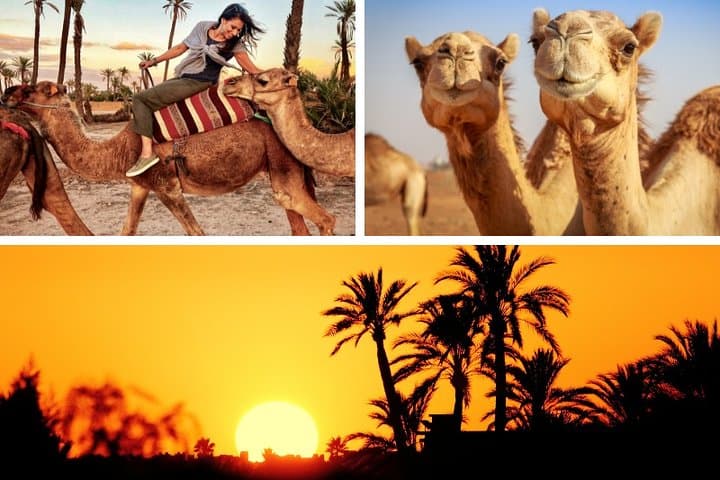
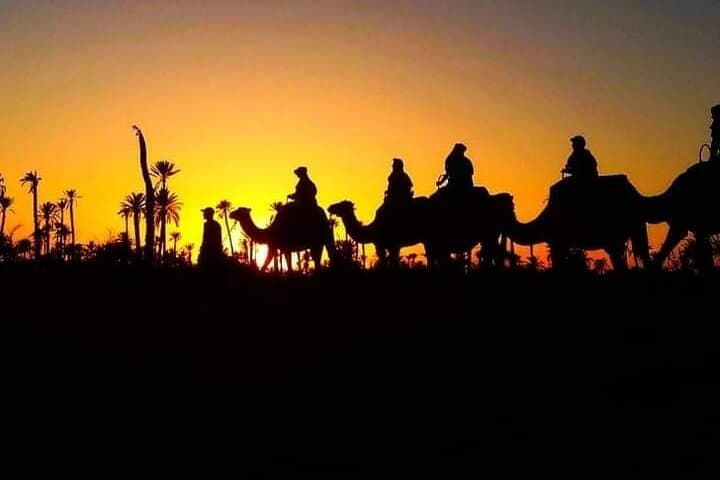
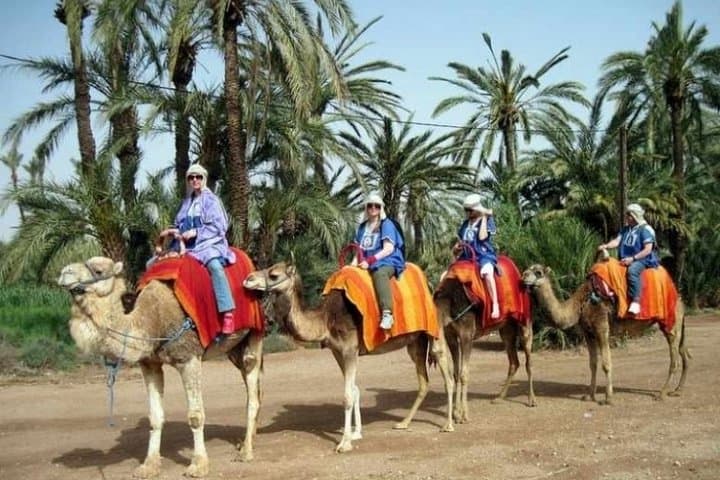
When the late-afternoon sun slants low over the outskirts of Marrakech, the Palmeraie shifts from a green refuge into a field of gilded silhouettes. Riders mount steady dromedaries and move along sandy tracks lined with date palms; the animals rock with a slow, predictable gait that sets a calm, meditative pace.
Verified experiences and guided adventures in the surrounding area.
Operated by STE Easy Transfers · Marrakech, Marrakech-Safi
When the late-afternoon sun slants low over the outskirts of Marrakech, the Palmeraie shifts from a green refuge into a field of gilded silhouettes. Riders mount steady dromedaries and move along sandy tracks lined with date palms; the animals rock with a slow, predictable gait that sets a calm, meditative pace.
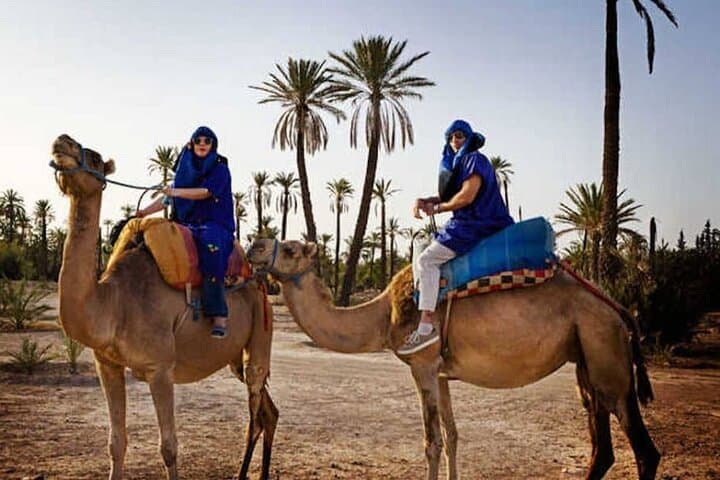
The Palmeraie is a human-shaped oasis: centuries of irrigation and date cultivation expanded this palm belt on the city’s northeastern edge, later augmented in the 20th century as Marrakech grew into a tourist gateway. Geologically it sits on an alluvial plain where groundwater feeds clustered palms rather than dramatic rockscapes; culturally, camel travel recalls trans-Saharan trade and Berber traditions, and many operators offer Saharan scarves and jilbabs for an authentic feel.
Expect one hour in the saddle within a two-hour activity window that includes transport. Trails are compacted sand and dirt tracks with low variation in elevation—an easy ride but uneven when mounting and dismounting. The best light is the last 30–40 minutes before sunset; photographers will find long shadows and warm color.
Practical notes: opt for light, layered clothing and closed-toe shoes, stow fragile gear in a small daypack, and drink water before departure—rides provide short breaks but limited shade. Respect the animals: follow handlers’ instructions, avoid sudden movements, and decline feeding unless guided. Operators increasingly manage routes to minimize erosion and maintain groundwater; choose companies that limit group size and use existing tracks for a lower footprint.
easy.
2 hours.
Suitable for most fitness levels; must be able to mount a camel with assistance and sit upright for an hour
The experience is advertised as a one-hour camel ride within a two-hour total timeframe that includes pickup and transport.
Children are allowed; infants must sit on an adult’s lap and specialized infant seats are sometimes available—confirm with the operator at booking.
Yes—this tour usually includes hotel/riad pickup and drop-off by air-conditioned minivan; verify your pickup point when booking.
No prior experience is required; handlers guide mounting, riding posture, and safety, and the activity is suitable for most riders.
The Palmeraie grew from traditional irrigation and date-cultivation practices; expanded in modern times as Marrakech developed and tourism increased.
Overuse and development strain groundwater and soil—choose operators that limit group size, stick to established tracks, and support local conservation efforts.
STE Easy Transfers operates guided outdoor trips and adventures with an emphasis on safety, stewardship, and memorable experiences.
When the late-afternoon sun slants low over the outskirts of Marrakech, the Palmeraie shifts from a green refuge into a field of gilded silhouettes. Riders mount steady dromedaries and move along sandy tracks lined with date palms; the animals rock with a slow, predictable gait that sets a calm, meditative pace.
When the late-afternoon sun slants low over the outskirts of Marrakech, the Palmeraie shifts from a green refuge into a field of gilded silhouettes. Riders mount steady dromedaries and move along sandy tracks lined with date palms; the animals rock with a slow, predictable gait that sets a calm, meditative pace.
The Palmeraie is a human-shaped oasis: centuries of irrigation and date cultivation expanded this palm belt on the city’s northeastern edge, later augmented in the 20th century as Marrakech grew into a tourist gateway. Geologically it sits on an alluvial plain where groundwater feeds clustered palms rather than dramatic rockscapes; culturally, camel travel recalls trans-Saharan trade and Berber traditions, and many operators offer Saharan scarves and jilbabs for an authentic feel.
Expect one hour in the saddle within a two-hour activity window that includes transport. Trails are compacted sand and dirt tracks with low variation in elevation—an easy ride but uneven when mounting and dismounting. The best light is the last 30–40 minutes before sunset; photographers will find long shadows and warm color.
Practical notes: opt for light, layered clothing and closed-toe shoes, stow fragile gear in a small daypack, and drink water before departure—rides provide short breaks but limited shade. Respect the animals: follow handlers’ instructions, avoid sudden movements, and decline feeding unless guided. Operators increasingly manage routes to minimize erosion and maintain groundwater; choose companies that limit group size and use existing tracks for a lower footprint.