THE ADVENTURE COLLECTIVE® · Independent discovery and booking for outdoor travel

Ride a dromedary through Marrakech’s Palmeraie at sunset, pause for traditional mint tea, and soak in palm-fringed views of the Atlas foothills. This private, one-hour experience is calm, accessible, and rich in local color.
Ride a dromedary through Marrakech’s Palmeraie at sunset, pause for traditional mint tea, and soak in palm-fringed views of the Atlas foothills. This private, one-hour experience is calm, accessible, and rich in local color.
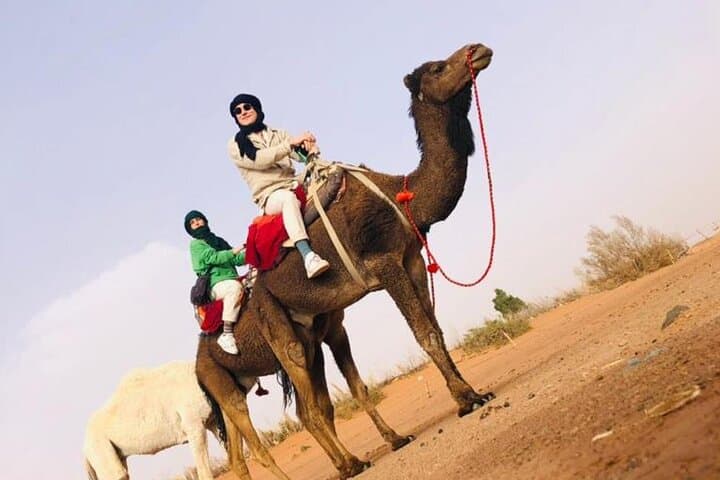
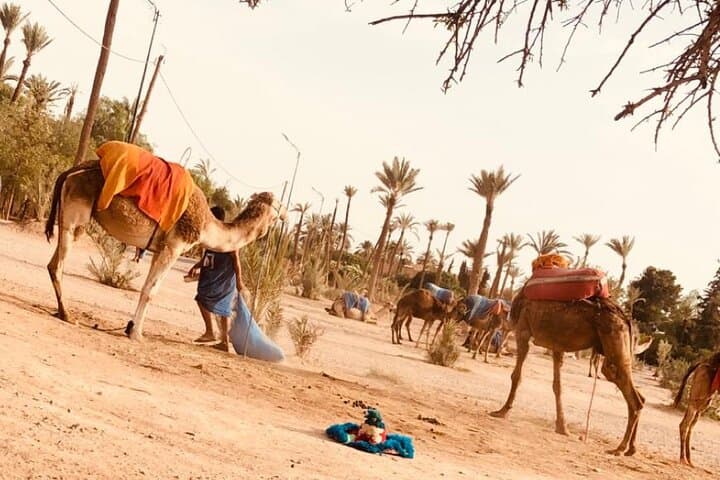
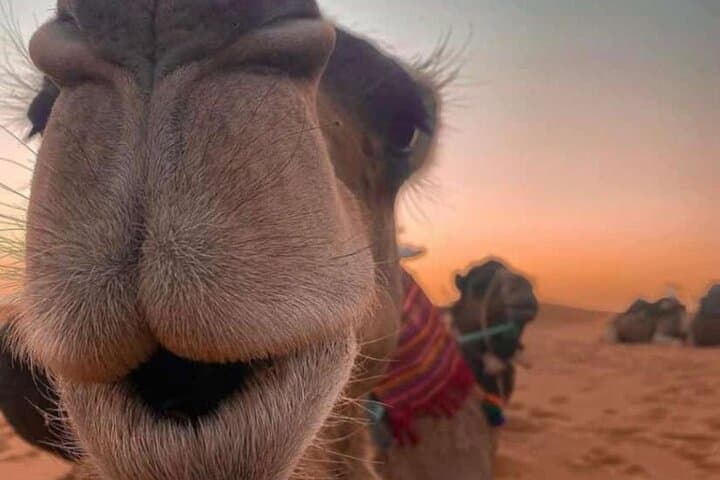
The sun slopes low over the Palmeraie as you climb onto the broad-backed dromedary; the camel’s slow, rolling gait sets the tempo and the palms lean in like quiet witnesses. In an hour you move through shaded lanes and open clearings where the light catches on trunks and the Atlas foothills punctuate the horizon. A mint tea pause—hot, sweet, brisk—breaks the silence and re-centers the group.
Verified experiences and guided adventures in the surrounding area.
Operated by Alitravel tour · Marrakech, Marrakech-Safi
The sun slopes low over the Palmeraie as you climb onto the broad-backed dromedary; the camel’s slow, rolling gait sets the tempo and the palms lean in like quiet witnesses. In an hour you move through shaded lanes and open clearings where the light catches on trunks and the Atlas foothills punctuate the horizon. A mint tea pause—hot, sweet, brisk—breaks the silence and re-centers the group.
The Palmeraie is an irrigated oasis at Marrakech’s edge, shaped by centuries of human water management and palm cultivation. Geologically, the plain is alluvial: sand and silt deposited from the Atlas, giving way to the arid plains that nudge toward the Sahara. Culturally, camel riding ties to caravan history and to modern tourism; the mint tea is a ritual of hospitality that anchors the moment.
Expect easy, guided riding: camels are trained for visitors, handlers lead the way, and the pace is unhurried. The route is flat with sandy tracks and compacted paths—no technical skill required, just steady balance and willingness to mount and dismount. Best light is at sunset; mornings are cooler and quieter.
Practical tips: wear closed shoes and long pants to avoid chafing, bring sun protection and a small bottle of water (complimentary water is usually provided), and confirm pickup details since most tours include hotel transfers. Respect the animals—follow handler instructions, don’t feed the camels, and tip the handler if service is good. This is an accessible, sensory way to touch Morocco’s desert edge without leaving Marrakech’s doorstep.
easy.
1 hour.
Suitable for most fitness levels; requires basic balance for mounting and riding.
The advertised ride is one hour; with pickup and drop-off expect 90–120 minutes total depending on your hotel location.
Yes—camels used for tourist rides are trained and handlers lead the group; follow instructions for mounting, sitting, and dismounting.
Most private tours include round-trip transfer from central Marrakech hotels; confirm your pickup point when booking.
Children are usually allowed but check operator age policies; pregnant travelers are typically advised against camel riding due to mounting and motion.
The Palmeraie grew as an irrigated oasis using local water systems and has long supplied palms and agriculture to Marrakech’s outskirts; it later became a leisure area and site for tourism activities.
The Palmeraie faces pressure from development and water demand—choose operators that limit group sizes, follow paths, and respect animal welfare to minimize impact.
Alitravel tour operates guided outdoor trips and adventures with an emphasis on safety, stewardship, and memorable experiences.

The sun slopes low over the Palmeraie as you climb onto the broad-backed dromedary; the camel’s slow, rolling gait sets the tempo and the palms lean in like quiet witnesses. In an hour you move through shaded lanes and open clearings where the light catches on trunks and the Atlas foothills punctuate the horizon. A mint tea pause—hot, sweet, brisk—breaks the silence and re-centers the group.
The sun slopes low over the Palmeraie as you climb onto the broad-backed dromedary; the camel’s slow, rolling gait sets the tempo and the palms lean in like quiet witnesses. In an hour you move through shaded lanes and open clearings where the light catches on trunks and the Atlas foothills punctuate the horizon. A mint tea pause—hot, sweet, brisk—breaks the silence and re-centers the group.
The Palmeraie is an irrigated oasis at Marrakech’s edge, shaped by centuries of human water management and palm cultivation. Geologically, the plain is alluvial: sand and silt deposited from the Atlas, giving way to the arid plains that nudge toward the Sahara. Culturally, camel riding ties to caravan history and to modern tourism; the mint tea is a ritual of hospitality that anchors the moment.
Expect easy, guided riding: camels are trained for visitors, handlers lead the way, and the pace is unhurried. The route is flat with sandy tracks and compacted paths—no technical skill required, just steady balance and willingness to mount and dismount. Best light is at sunset; mornings are cooler and quieter.
Practical tips: wear closed shoes and long pants to avoid chafing, bring sun protection and a small bottle of water (complimentary water is usually provided), and confirm pickup details since most tours include hotel transfers. Respect the animals—follow handler instructions, don’t feed the camels, and tip the handler if service is good. This is an accessible, sensory way to touch Morocco’s desert edge without leaving Marrakech’s doorstep.