THE ADVENTURE COLLECTIVE® · Independent discovery and booking for outdoor travel

Ride a caravan of dromedaries across Baja’s coastal desert at sunset, learn camel care and local natural history, then finish with a tequila tasting and Mexican lunch. This three-hour outing pairs gentle adventure with cultural insights—perfect for families and travelers seeking something different in Los Cabos.
Ride a caravan of dromedaries across Baja’s coastal desert at sunset, learn camel care and local natural history, then finish with a tequila tasting and Mexican lunch. This three-hour outing pairs gentle adventure with cultural insights—perfect for families and travelers seeking something different in Los Cabos.
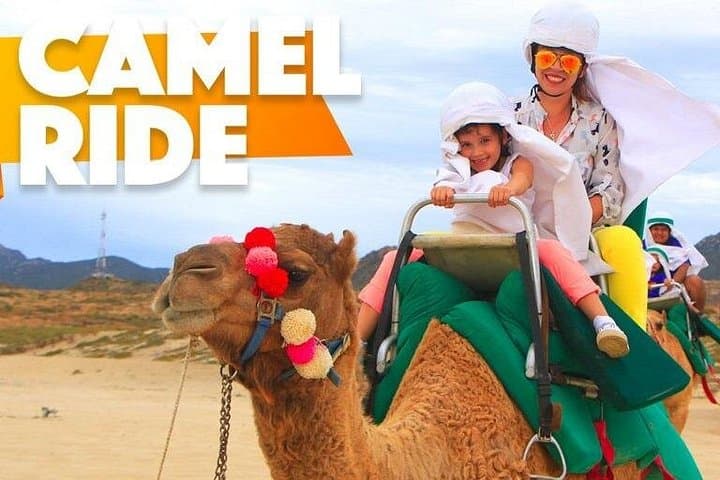
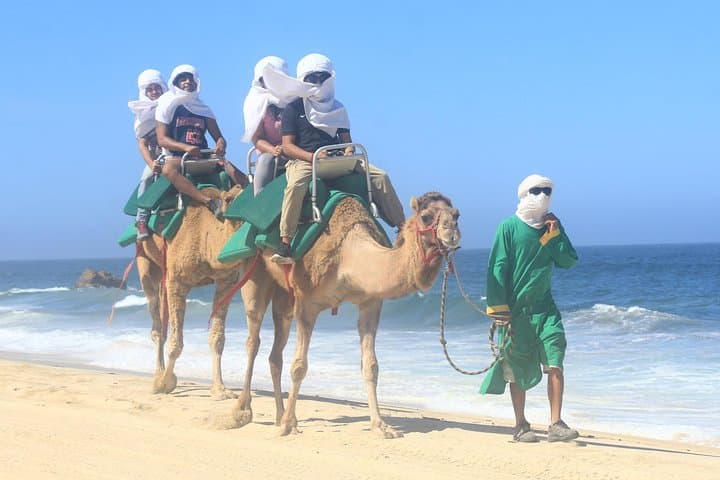
Late afternoon light stretches across low desert and scrub, turning creosote and cardón cactus into long, soft shadows. On a narrow track above a quiet beach, a small caravan of dromedaries moves with deliberate, unhurried rhythm; their humps and long necks punctuate the horizon as the sun leans toward the Pacific.
Verified experiences and guided adventures in the surrounding area.
Operated by Cabos Fun Journey Tours & Transportation · San José del Cabo, Baja California Sur
Late afternoon light stretches across low desert and scrub, turning creosote and cardón cactus into long, soft shadows. On a narrow track above a quiet beach, a small caravan of dromedaries moves with deliberate, unhurried rhythm; their humps and long necks punctuate the horizon as the sun leans toward the Pacific.
Camels are not native to Baja California — they arrived in the 19th century, brought to work in mining and transport — but they have become part of the peninsula’s curious cultural landscape. The sand-and-rock geology here records ancient marine terraces and uplifted shorelines; underfoot the ground alternates between gritty beach sand and compacted desert flats where hardy plants and lizards claim water by stealth.
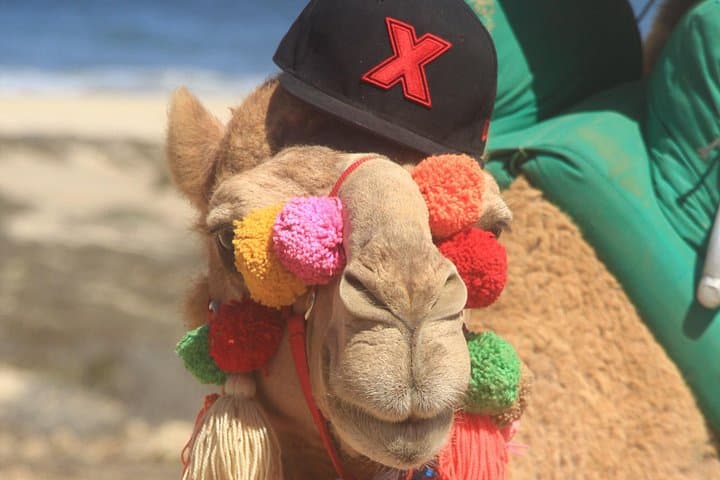
This tour blends a 90–120 minute camel ride with a short nature hike, a tequila tasting in a small museum, and a traditional Mexican lunch served family-style. Guides explain camel anatomy and training, and point out local flora and nesting seabirds where the desert meets the sea. Expect bilingual commentary and hands-on moments—petting, feeding, and posed photos with friendly camels.
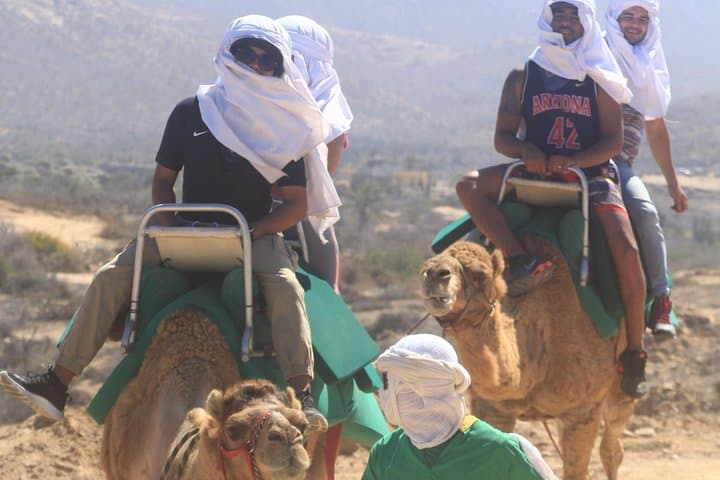
Plan to arrive early, hydrate, and wear closed-toe shoes; mounting a dromedary requires basic balance and the ability to follow staff instructions. The operator enforces age and weight limits and sanitizes gear between groups. For photographers, sunset windows are brief—positioning matters. This is an easy, sensory-focused outing that ties wildlife interpretation, light walking, and cultural tasting into a tidy three-hour excursion ideal for families and first-time camel riders.
easy.
3 hours.
Suitable for most fitness levels; riders should have basic balance and no serious back problems.
Reputable operators use trained handlers, enforce weight and age limits, clean tack between groups, and provide briefings on safe mounting and dismounting—ask the provider about welfare practices if concerned.
Typical inclusions are the camel ride, a guided nature walk, a Mexican lunch (burritos or quesadillas), bottled water, and a tequila tasting; private transport is often available for an extra fee.
Children under the minimum riding age (commonly 6 years) usually cannot ride; however, many operators offer a supervised kids' area and activities for infants and toddlers.
Yes—shared shuttle pickups from San José del Cabo and Cabo San Lucas are common; private transfers can be arranged at additional cost—be ready at the lobby 10–15 minutes before pickup.
Dromedaries were introduced in the 19th century for mining and transport; in Baja they later found a role in tourism and education about desert ecology.
The coastal desert is fragile—stick to designated paths, avoid touching vegetation, and support operators who prioritize animal welfare and habitat protection.
Cabos Fun Journey Tours & Transportation operates guided outdoor trips and adventures with an emphasis on safety, stewardship, and memorable experiences.
Late afternoon light stretches across low desert and scrub, turning creosote and cardón cactus into long, soft shadows. On a narrow track above a quiet beach, a small caravan of dromedaries moves with deliberate, unhurried rhythm; their humps and long necks punctuate the horizon as the sun leans toward the Pacific.
Late afternoon light stretches across low desert and scrub, turning creosote and cardón cactus into long, soft shadows. On a narrow track above a quiet beach, a small caravan of dromedaries moves with deliberate, unhurried rhythm; their humps and long necks punctuate the horizon as the sun leans toward the Pacific.
Camels are not native to Baja California — they arrived in the 19th century, brought to work in mining and transport — but they have become part of the peninsula’s curious cultural landscape. The sand-and-rock geology here records ancient marine terraces and uplifted shorelines; underfoot the ground alternates between gritty beach sand and compacted desert flats where hardy plants and lizards claim water by stealth.
This tour blends a 90–120 minute camel ride with a short nature hike, a tequila tasting in a small museum, and a traditional Mexican lunch served family-style. Guides explain camel anatomy and training, and point out local flora and nesting seabirds where the desert meets the sea. Expect bilingual commentary and hands-on moments—petting, feeding, and posed photos with friendly camels.
Plan to arrive early, hydrate, and wear closed-toe shoes; mounting a dromedary requires basic balance and the ability to follow staff instructions. The operator enforces age and weight limits and sanitizes gear between groups. For photographers, sunset windows are brief—positioning matters. This is an easy, sensory-focused outing that ties wildlife interpretation, light walking, and cultural tasting into a tidy three-hour excursion ideal for families and first-time camel riders.