THE ADVENTURE COLLECTIVE® · Independent discovery and booking for outdoor travel

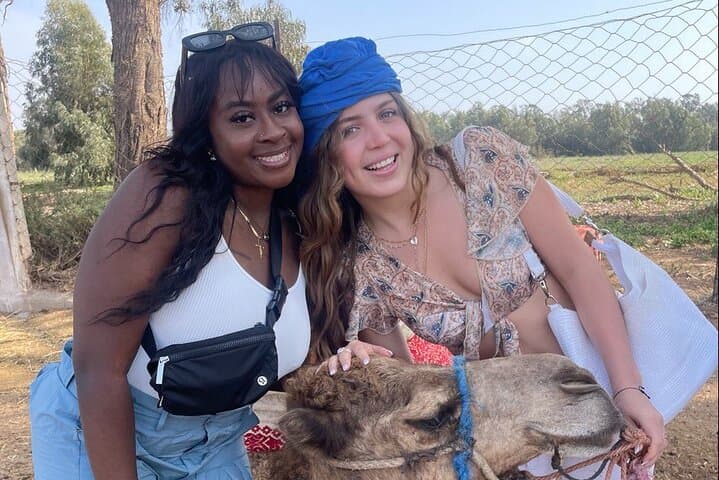
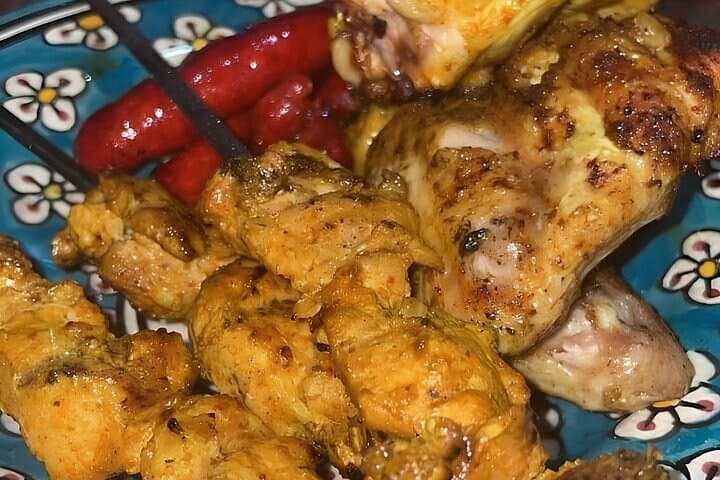
Ride camelback across Agadir’s coastal dunes at sunset, watch flamingos on the Souss estuary, and finish with a Moroccan barbecue and couscous. This accessible half‑day excursion combines easy terrain, local culture, and wildlife viewing.
Ride camelback across Agadir’s coastal dunes at sunset, watch flamingos on the Souss estuary, and finish with a Moroccan barbecue and couscous. This accessible half‑day excursion combines easy terrain, local culture, and wildlife viewing.
Late afternoon in Agadir flattens the light and sharpens the colors: camels file along soft coastal dunes, their slow gait keeping time with the surf beyond. Riders sit a little higher than the shoreline, passing Aghroud’s low forest and a stretch where the Souss River widens into marshy flats; at sunset, flamingos pick at the shallows and the sky burns apricot behind the King’s Palace silhouette.
Verified experiences and guided adventures in the surrounding area.
Operated by Agadir rides · Agadir, Souss-Massa
Late afternoon in Agadir flattens the light and sharpens the colors: camels file along soft coastal dunes, their slow gait keeping time with the surf beyond. Riders sit a little higher than the shoreline, passing Aghroud’s low forest and a stretch where the Souss River widens into marshy flats; at sunset, flamingos pick at the shallows and the sky burns apricot behind the King’s Palace silhouette.
This short coastal desert is the product of Atlantic winds and an active river estuary—sand pushed inland meets a mosaic of argan trees and seasonal wetlands. Agadir’s modern streets were rebuilt after the 1960 earthquake, but the coastline and the river have supported fishing, salt pans, and bird migrations for centuries. The barbecue and couscous that conclude the ride reflect local culinary rhythms: grilled meats, vegetables, and mint tea shared family-style.
Practically, expect a gentle 90-minute camel excursion framed by hotel pickup in an air-conditioned vehicle and escorted by local guides who manage the animals and point out birding spots. Terrain is sandy with occasional packed dirt; mounting platforms and basic restroom facilities are provided at the camp. Bring sun protection, a light jacket for evening winds, and a camera or binoculars for the estuary.
Wear closed-toe shoes for uneven footing and follow your guide’s instructions when mounting and dismounting—camels stand up and sit with a pronounced forward motion. Respect the dunes and wetlands by staying on established paths and leaving no trace; wildlife sightings are a highlight but should be observed from a distance.
easy.
2–3 hours.
Suitable for most fitness levels; riders should be able to mount with minimal assistance and sit upright for about 90 minutes.
Yes—most bookings include round-trip hotel pickup and drop-off in an air-conditioned vehicle; confirm your pickup location at booking.
Children can ride, but operators often require an adult or guide to accompany small riders for safety; check age restrictions when booking.
Casual, modest clothing is fine—layers for cooler evenings—and bring a small towel or wipes if you expect sand on shoes or clothes.
No; flamingos are seasonal and influenced by water levels and tides. Guides choose routes with the best recent sightings but wildlife cannot be guaranteed.
Agadir’s modern urban center was rebuilt after the 1960 earthquake, while the coastline and estuary have long supported fishing and seasonal bird migrations.
Parts of the nearby estuary fall within protected areas; stay on designated routes, avoid disturbing birds, and pack out waste to protect fragile dune and wetland habitats.
Agadir rides operates guided outdoor trips and adventures with an emphasis on safety, stewardship, and memorable experiences.


Late afternoon in Agadir flattens the light and sharpens the colors: camels file along soft coastal dunes, their slow gait keeping time with the surf beyond. Riders sit a little higher than the shoreline, passing Aghroud’s low forest and a stretch where the Souss River widens into marshy flats; at sunset, flamingos pick at the shallows and the sky burns apricot behind the King’s Palace silhouette.
Late afternoon in Agadir flattens the light and sharpens the colors: camels file along soft coastal dunes, their slow gait keeping time with the surf beyond. Riders sit a little higher than the shoreline, passing Aghroud’s low forest and a stretch where the Souss River widens into marshy flats; at sunset, flamingos pick at the shallows and the sky burns apricot behind the King’s Palace silhouette.
This short coastal desert is the product of Atlantic winds and an active river estuary—sand pushed inland meets a mosaic of argan trees and seasonal wetlands. Agadir’s modern streets were rebuilt after the 1960 earthquake, but the coastline and the river have supported fishing, salt pans, and bird migrations for centuries. The barbecue and couscous that conclude the ride reflect local culinary rhythms: grilled meats, vegetables, and mint tea shared family-style.
Practically, expect a gentle 90-minute camel excursion framed by hotel pickup in an air-conditioned vehicle and escorted by local guides who manage the animals and point out birding spots. Terrain is sandy with occasional packed dirt; mounting platforms and basic restroom facilities are provided at the camp. Bring sun protection, a light jacket for evening winds, and a camera or binoculars for the estuary.
Wear closed-toe shoes for uneven footing and follow your guide’s instructions when mounting and dismounting—camels stand up and sit with a pronounced forward motion. Respect the dunes and wetlands by staying on established paths and leaving no trace; wildlife sightings are a highlight but should be observed from a distance.