THE ADVENTURE COLLECTIVE® · Independent discovery and booking for outdoor travel

Experience the pyramids as the sun drops and the plateau cools: a guided visit, a short camel or horse ride, and practical tips for navigating crowds, sand and local customs. Read on for what to bring, how to move and how to make the most of five hours at Giza.
Experience the pyramids as the sun drops and the plateau cools: a guided visit, a short camel or horse ride, and practical tips for navigating crowds, sand and local customs. Read on for what to bring, how to move and how to make the most of five hours at Giza.
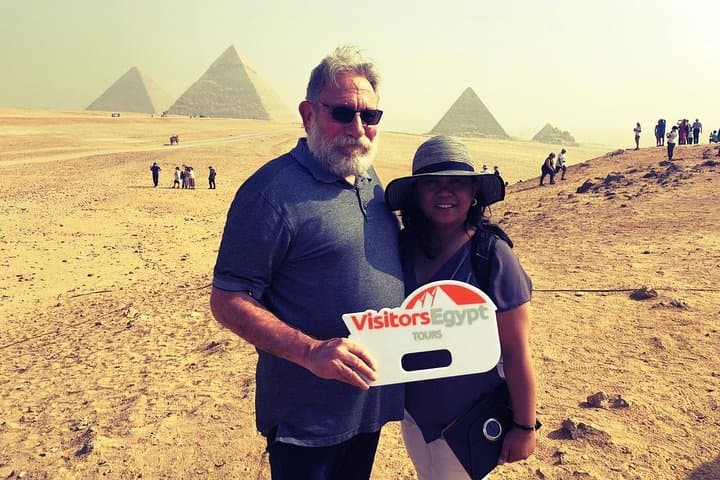
The sun leans toward the horizon and the three pyramid silhouettes sharpen against the sky — Cheops (Khufu), Chephren (Khafre) and Mykerinus (Menkaure) stand like stone compasses pointing across the Giza Plateau.
Verified experiences and guided adventures in the surrounding area.
Operated by Three Pyramids Tours · Giza, Giza Governorate
The sun leans toward the horizon and the three pyramid silhouettes sharpen against the sky — Cheops (Khufu), Chephren (Khafre) and Mykerinus (Menkaure) stand like stone compasses pointing across the Giza Plateau.
This day tour moves briskly: pickup in an air-conditioned vehicle from central Cairo or Giza, a guided visit to the three major pyramids, and a sunset camel or horse ride that lets you circle the monuments from outside the archaeological zone. Geologically the plateau is a raised layer of Eocene limestone; the pyramids themselves are roughly 4,500 years old, built in the Fourth Dynasty and long the tallest man-made structures on earth. Culturally the site is part funerary landscape and modern tourist economy — local guides, camel handlers and vendors are part of the daily scene.
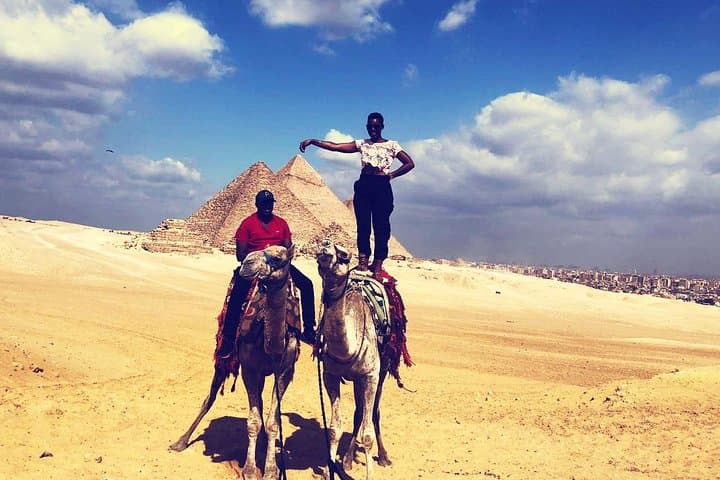
Expect sandy tracks, occasional loose stone underfoot and sweeping open light that changes rapidly near sunset. The camel ride lasts minutes but offers iconic angles and wide views of the complex; photography is best as the sun lowers and shadows accentuate the masonry.
Practical guidance: wear closed shoes for walking, sun protection and bring cash small for tips and purchases. Mobility is uneven in places; staff often assist visitors needing help. The tour’s five-hour window usually includes hotel transfer, guide time at the sites and the ride.
Conserve the site by avoiding climbing, accepting licensed guides only, and minimizing plastic — small actions help preserve this ancient landscape for the next traveler.
easy.
5 hours.
Suitable for most fitness levels; involves moderate walking on uneven, sandy surfaces and brief periods standing.
Yes; this tour includes a short camel or horse ride around the outside of the pyramids as described in the itinerary.
No; climbing the pyramids is prohibited and strongly discouraged. The tour provides exterior views and guided access to designated areas only.
The tour notes wheelchair accessibility for some parts; however, the plateau has uneven terrain so assistance may be required for full participation.
Tipping is customary; plan small local-currency notes for your guide, driver and camel handler — amounts vary but modest tips are appreciated.
The Great Pyramid of Khufu dates to circa 2560 BCE and was the tallest human-made structure for millennia; the Giza complex functioned as a royal funerary landscape tied to ancient Egyptian religion.
The site faces pressures from tourism and urban encroachment; stay on marked paths, avoid littering and decline offers that encourage climbing or damaging structures.
Three Pyramids Tours operates guided outdoor trips and adventures with an emphasis on safety, stewardship, and memorable experiences.


The sun leans toward the horizon and the three pyramid silhouettes sharpen against the sky — Cheops (Khufu), Chephren (Khafre) and Mykerinus (Menkaure) stand like stone compasses pointing across the Giza Plateau.
The sun leans toward the horizon and the three pyramid silhouettes sharpen against the sky — Cheops (Khufu), Chephren (Khafre) and Mykerinus (Menkaure) stand like stone compasses pointing across the Giza Plateau.
This day tour moves briskly: pickup in an air-conditioned vehicle from central Cairo or Giza, a guided visit to the three major pyramids, and a sunset camel or horse ride that lets you circle the monuments from outside the archaeological zone. Geologically the plateau is a raised layer of Eocene limestone; the pyramids themselves are roughly 4,500 years old, built in the Fourth Dynasty and long the tallest man-made structures on earth. Culturally the site is part funerary landscape and modern tourist economy — local guides, camel handlers and vendors are part of the daily scene.
Expect sandy tracks, occasional loose stone underfoot and sweeping open light that changes rapidly near sunset. The camel ride lasts minutes but offers iconic angles and wide views of the complex; photography is best as the sun lowers and shadows accentuate the masonry.
Practical guidance: wear closed shoes for walking, sun protection and bring cash small for tips and purchases. Mobility is uneven in places; staff often assist visitors needing help. The tour’s five-hour window usually includes hotel transfer, guide time at the sites and the ride.
Conserve the site by avoiding climbing, accepting licensed guides only, and minimizing plastic — small actions help preserve this ancient landscape for the next traveler.