THE ADVENTURE COLLECTIVE® · Independent discovery and booking for outdoor travel

Ride a camel at sunset across the Giza Plateau and finish with a desert-side BBQ beneath the pyramids. This guided, 4–5 hour private tour combines easy riding, cultural encounters with Bedouin handlers, and iconic photo opportunities.
Ride a camel at sunset across the Giza Plateau and finish with a desert-side BBQ beneath the pyramids. This guided, 4–5 hour private tour combines easy riding, cultural encounters with Bedouin handlers, and iconic photo opportunities.
The sun slides low behind the triangular silhouettes of Khufu and Khafre, throwing long, warm shadows across wind-scoured sand as you swing into the saddle of a sway-backed camel. The animals breathe slow; the plateau exhales centuries of dust and stone. Riding along the edge of the Giza Plateau at dusk, the pyramids loom like engineered mountains—familiar, immense, unblinking.
Verified experiences and guided adventures in the surrounding area.
Operated by Visitors Egypt Tours · Giza, Giza
The sun slides low behind the triangular silhouettes of Khufu and Khafre, throwing long, warm shadows across wind-scoured sand as you swing into the saddle of a sway-backed camel. The animals breathe slow; the plateau exhales centuries of dust and stone. Riding along the edge of the Giza Plateau at dusk, the pyramids loom like engineered mountains—familiar, immense, unblinking.
This stretch of the Nile floodplain rests on Eocene limestone and compacted desert sand; the pyramids themselves sit on a solid bedrock that made such monumental construction possible. For millennia the plateau has been a crossroads: pharaonic funerary complexes, later Bedouin encampments, and modern tourism converge here. Local Bedouin families still guide camels and offer stories and tea, blending daily life with the site's world-famous history.
Expect 4–5 hours centered on sunset: a short drive from central Cairo, a guided camel trek across uneven sandy tracks, a photo stop with the pyramids as backdrop, and a riverside-style BBQ set up near the desert edge. The terrain is flat but sandy; camels kneel for mounting and dismounting—a little jolt, then a steady, rocking pace.
Practical notes: bring sun protection, a refillable water bottle, closed-toe shoes, and a lightweight layer for cooler evenings. Cameras are essential but secure them during the ride. Respect markers and the archaeological zones—walking up the monuments is prohibited. The experience is low-impact if you follow the guide: keep to paths, minimize litter, and tip handlers to support local livelihoods.
easy.
4–5 hours.
Suitable for most fitness levels; you should be able to mount/dismount a camel and walk short sandy stretches.
No; guides and camel handlers assist with mounting and the ride is steady—this activity is suitable for beginners.
No; climbing the pyramids is prohibited. The tour offers photo viewpoints from the plateau and nearby permitted areas.
Rides typically last 30–60 minutes within the 4–5 hour tour window, leaving time for transfers, photos, and dinner.
Yes; private transportation with hotel pickup and drop-off is included in the booking.
The Giza Plateau is the funerary complex of Egypt’s Fourth Dynasty; the Great Pyramid (Khufu) is the oldest of the Seven Wonders and sits on a limestone bedrock that supported massive construction.
Tour operators are encouraged to keep rides on designated paths and minimize waste; tipping local handlers supports traditional livelihoods and reduces pressure to intensify camel use.
Visitors Egypt Tours operates guided outdoor trips and adventures with an emphasis on safety, stewardship, and memorable experiences.
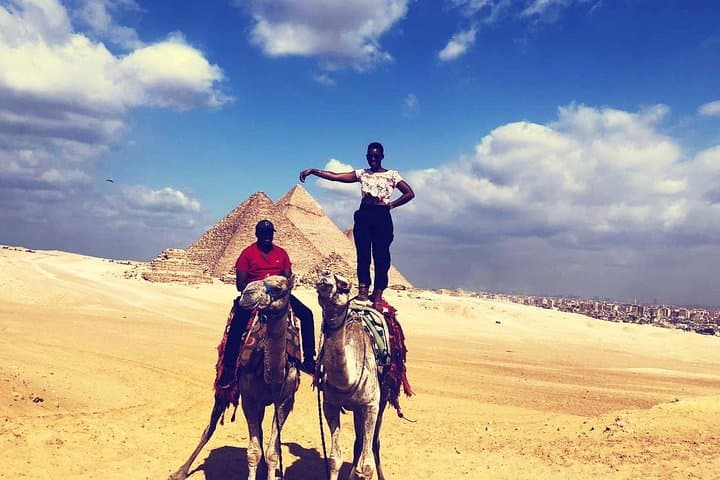
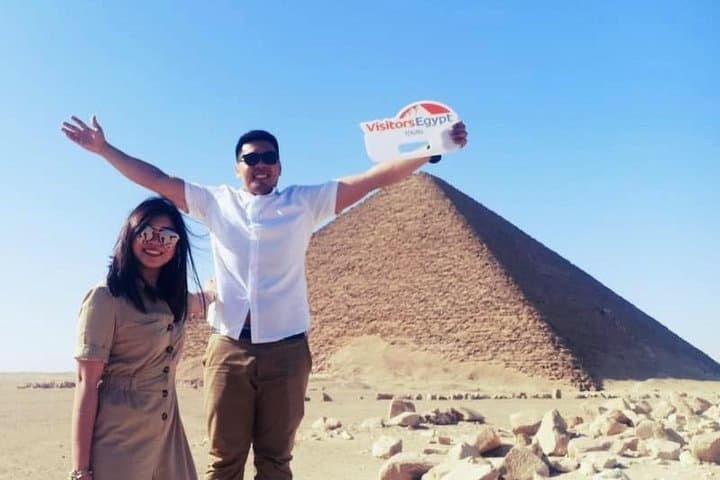
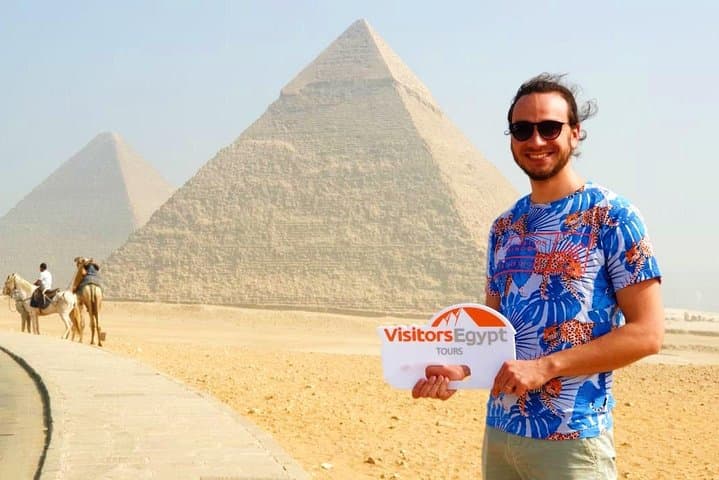
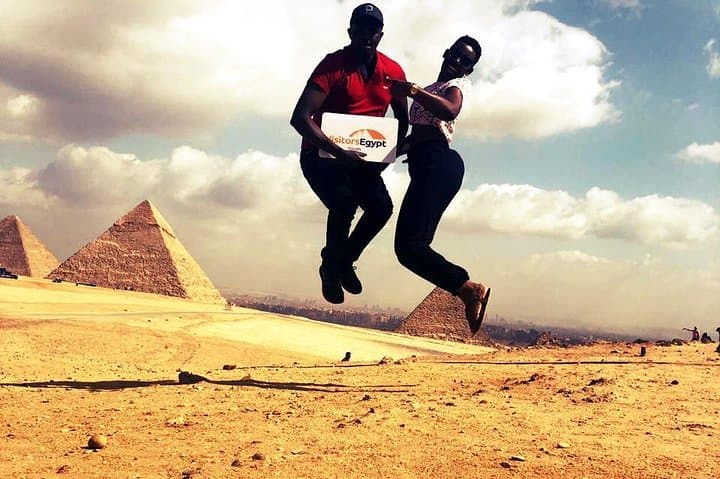
The sun slides low behind the triangular silhouettes of Khufu and Khafre, throwing long, warm shadows across wind-scoured sand as you swing into the saddle of a sway-backed camel. The animals breathe slow; the plateau exhales centuries of dust and stone. Riding along the edge of the Giza Plateau at dusk, the pyramids loom like engineered mountains—familiar, immense, unblinking.
The sun slides low behind the triangular silhouettes of Khufu and Khafre, throwing long, warm shadows across wind-scoured sand as you swing into the saddle of a sway-backed camel. The animals breathe slow; the plateau exhales centuries of dust and stone. Riding along the edge of the Giza Plateau at dusk, the pyramids loom like engineered mountains—familiar, immense, unblinking.
This stretch of the Nile floodplain rests on Eocene limestone and compacted desert sand; the pyramids themselves sit on a solid bedrock that made such monumental construction possible. For millennia the plateau has been a crossroads: pharaonic funerary complexes, later Bedouin encampments, and modern tourism converge here. Local Bedouin families still guide camels and offer stories and tea, blending daily life with the site's world-famous history.
Expect 4–5 hours centered on sunset: a short drive from central Cairo, a guided camel trek across uneven sandy tracks, a photo stop with the pyramids as backdrop, and a riverside-style BBQ set up near the desert edge. The terrain is flat but sandy; camels kneel for mounting and dismounting—a little jolt, then a steady, rocking pace.
Practical notes: bring sun protection, a refillable water bottle, closed-toe shoes, and a lightweight layer for cooler evenings. Cameras are essential but secure them during the ride. Respect markers and the archaeological zones—walking up the monuments is prohibited. The experience is low-impact if you follow the guide: keep to paths, minimize litter, and tip handlers to support local livelihoods.