THE ADVENTURE COLLECTIVE® · Independent discovery and booking for outdoor travel

Ride a camel around the Giza Pyramids at sunset for an intimate, low-impact way to experience the ancient stones. This practical guide explains what to expect, when to go and how to prepare for the desert evening.
Ride a camel around the Giza Pyramids at sunset for an intimate, low-impact way to experience the ancient stones. This practical guide explains what to expect, when to go and how to prepare for the desert evening.
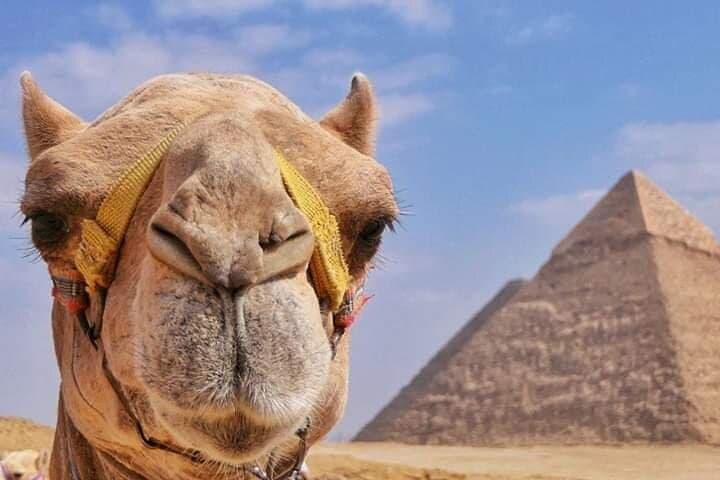
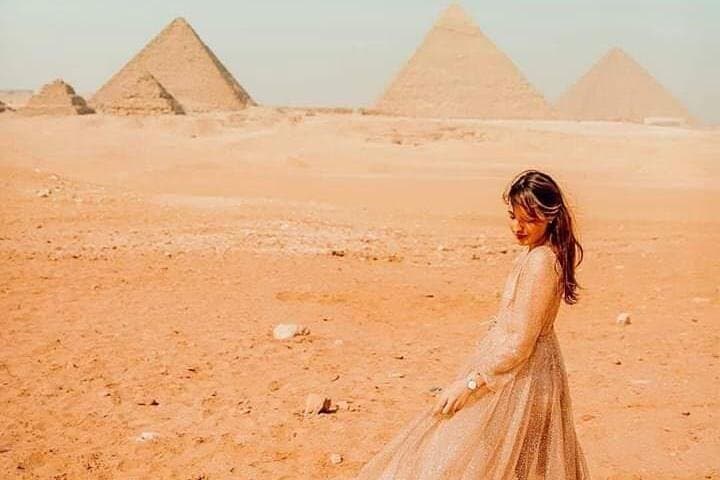
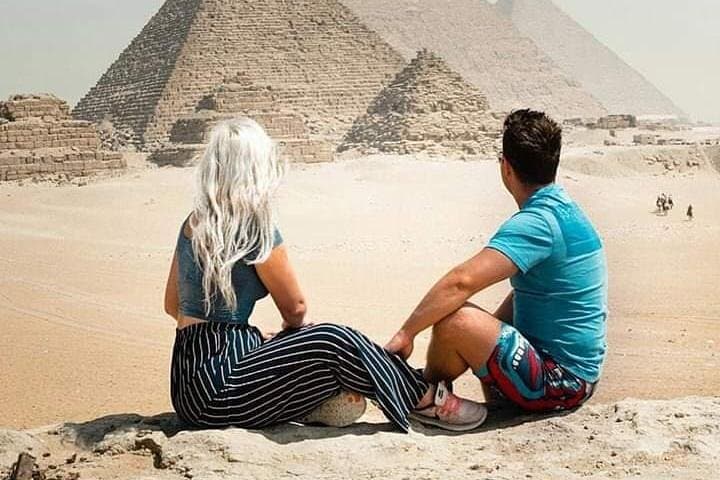
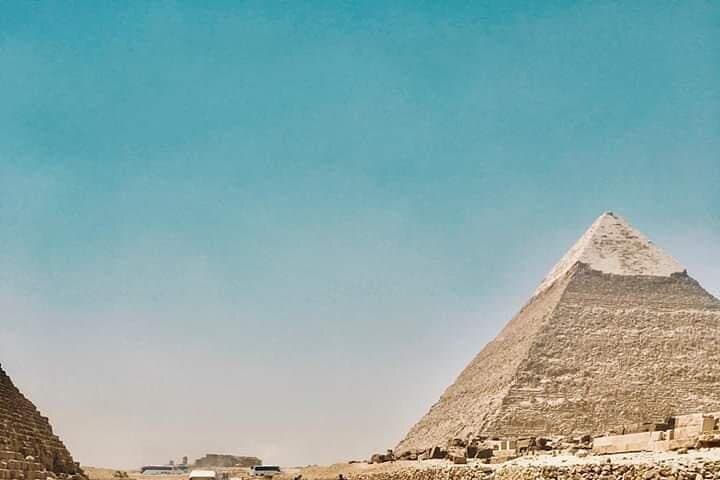
Golden light thins across the Giza Plateau; sand cools underfoot as a line of camels steps into view, their slow sway matching the pulse of the desert. You climb into the wooden saddle, the animal shouldering forward, and the three great pyramids — Khufu, Khafre and Menkaure — lean into the dusk like living monuments watching your passage.
Verified experiences and guided adventures in the surrounding area.
Operated by Three Pyramids Tours · Giza, Cairo Governorate
Golden light thins across the Giza Plateau; sand cools underfoot as a line of camels steps into view, their slow sway matching the pulse of the desert. You climb into the wooden saddle, the animal shouldering forward, and the three great pyramids — Khufu, Khafre and Menkaure — lean into the dusk like living monuments watching your passage.
The stones beneath them are over four millennia old, quarried and set in a civilization that domesticated camels centuries later to cross Sinai and the Sahara. Geologically the plateau is limestone bedrock capped with wind-blown sand; culturally it has been a crossroads where Bedouin handlers, Egyptian guides and international visitors intersect. Expect local music, late-afternoon tea and the faint echo of history as guides point out tombs, the Sphinx and the Solar Boat Museum.
Practically, the ride is low-impact but requires attention: mounting platforms are used, rides follow set routes to protect fragile areas, and licensed operators usually include hotel pickup. Aim for late afternoon to avoid heat and to watch the light shift across the faces of the pyramids. Wear closed shoes, sun protection and a light layer for the evening breeze. Bring small change for tips and photos, and keep to paths—erosion and foot traffic are managed carefully here. The experience is less about speed and more about presence: a slow, deliberate passage across desert that places you within one of the world’s longest-running human stories.
easy.
2–3 hours.
Suitable for most fitness levels; you should be able to mount a low platform and sit on a camel for up to an hour.
Most operator rides last 30–60 minutes on the plateau as part of a 2–3 hour tour including pickup, short stops and return transfer.
Yes—camels used for tourists are led by experienced handlers and mounting platforms are provided; disclose mobility or spinal issues when booking.
Yes—sunset slots are popular; private tours and hotel pickups are often reserved ahead, especially in high season.
Yes, but follow your guide’s directions: some areas are restricted to protect archaeological features and to respect ongoing conservation work.
The Giza Pyramids were built in the fourth dynasty (c. 2600–2500 BCE) and dominated the skyline for millennia; camels arrived in Egypt later and became central to desert transport and Bedouin culture.
Tour routes are managed to limit wear on archaeological layers—stay on marked paths, avoid climbing the monuments and choose licensed operators who follow local preservation rules.
Three Pyramids Tours operates guided outdoor trips and adventures with an emphasis on safety, stewardship, and memorable experiences.
Golden light thins across the Giza Plateau; sand cools underfoot as a line of camels steps into view, their slow sway matching the pulse of the desert. You climb into the wooden saddle, the animal shouldering forward, and the three great pyramids — Khufu, Khafre and Menkaure — lean into the dusk like living monuments watching your passage.
Golden light thins across the Giza Plateau; sand cools underfoot as a line of camels steps into view, their slow sway matching the pulse of the desert. You climb into the wooden saddle, the animal shouldering forward, and the three great pyramids — Khufu, Khafre and Menkaure — lean into the dusk like living monuments watching your passage.
The stones beneath them are over four millennia old, quarried and set in a civilization that domesticated camels centuries later to cross Sinai and the Sahara. Geologically the plateau is limestone bedrock capped with wind-blown sand; culturally it has been a crossroads where Bedouin handlers, Egyptian guides and international visitors intersect. Expect local music, late-afternoon tea and the faint echo of history as guides point out tombs, the Sphinx and the Solar Boat Museum.
Practically, the ride is low-impact but requires attention: mounting platforms are used, rides follow set routes to protect fragile areas, and licensed operators usually include hotel pickup. Aim for late afternoon to avoid heat and to watch the light shift across the faces of the pyramids. Wear closed shoes, sun protection and a light layer for the evening breeze. Bring small change for tips and photos, and keep to paths—erosion and foot traffic are managed carefully here. The experience is less about speed and more about presence: a slow, deliberate passage across desert that places you within one of the world’s longest-running human stories.