THE ADVENTURE COLLECTIVE® · Independent discovery and booking for outdoor travel

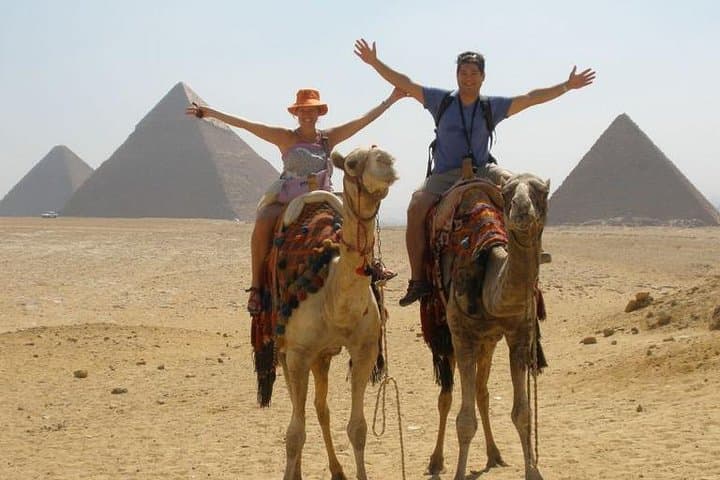
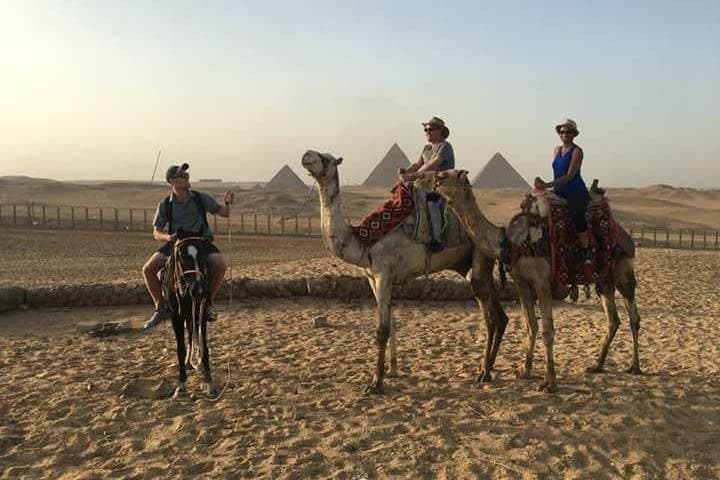
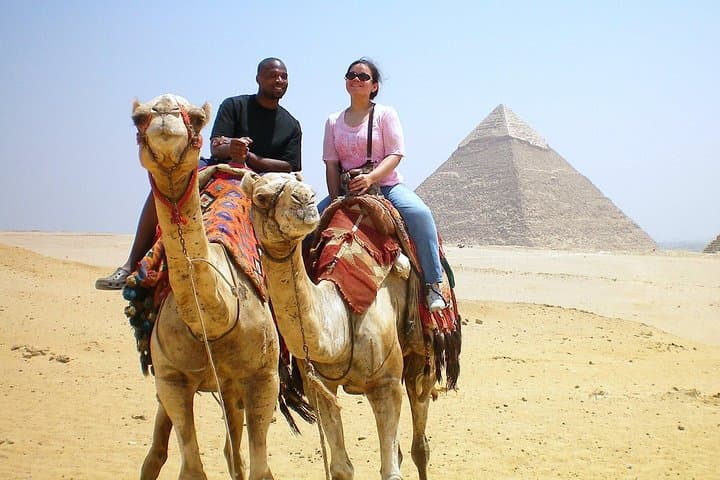
Mount a camel on the Giza Plateau as the light softens and the three pyramids silhouette the horizon. This three-hour excursion pairs hotel transfer with a sunset saddle experience and panoramic photo opportunities.
Mount a camel on the Giza Plateau as the light softens and the three pyramids silhouette the horizon. This three-hour excursion pairs hotel transfer with a sunset saddle experience and panoramic photo opportunities.
The heat softens and the desert breathes out as the sun slides toward the horizon, and riders mount camels with the Great Pyramid silhouettes as a backdrop. Sand crunches underfoot, the animals shift with a patient rhythm, and the plateau opens into broad, low dunes that frame the three ancient tombs. Sunset here changes color in minutes — gold, then rose, then a cool indigo — and the moment feels less like a postcard and more like measured witness.
Verified experiences and guided adventures in the surrounding area.
Operated by Egypt Unexpected Travel · Giza, Giza Governorate
The heat softens and the desert breathes out as the sun slides toward the horizon, and riders mount camels with the Great Pyramid silhouettes as a backdrop. Sand crunches underfoot, the animals shift with a patient rhythm, and the plateau opens into broad, low dunes that frame the three ancient tombs. Sunset here changes color in minutes — gold, then rose, then a cool indigo — and the moment feels less like a postcard and more like measured witness.
This is the necropolis of Giza: a man-made skyline from the Fourth Dynasty, where the pyramids of Khufu, Khafre and Menkaure stand on limestone bedrock carved by thousands of years of wind. The plateau’s geology is flat and rocky beneath a veneer of sand; archaeological sites and the Solar Boat Museum lie close by. Local Bedouin-influenced culture and the modern city of Giza press near the edges, creating a layered human landscape as much as a physical one.
Practically, the three-hour excursion usually includes hotel pickup, transfer to the plateau and the guided camel segment — riders should expect 30–60 minutes in the saddle depending on the operator. Terrain is sandy and uneven but flat; mounting a camel requires balance and a firm grip. Bring sun protection, a small daypack for water, and closed-toe shoes. Respect site boundaries, follow your guide’s directions around archaeological zones, and time your photos: the light shifts quickly.
For travelers, this is an accessible introduction to Egypt’s past and the desert’s plain drama — tactile, immediate, and best enjoyed with attentive planning and modest physical readiness.
moderate.
3 hours.
Moderate — able to mount a camel, balance for up to an hour in the saddle, and walk short sandy stretches
The overall excursion is about three hours including pickup and transfer; time on the camel commonly ranges from 30 to 60 minutes depending on the provider and group size.
No formal experience is required, but riders should have moderate balance and be comfortable mounting an animal; guides provide instructions and assistance.
Children may join but must be accompanied by an adult; operators often have age or weight restrictions so confirm at booking.
Tipping guides, drivers and camel handlers is customary; small tips are appreciated for service and help with photos.
The Giza Plateau is a Bronze Age necropolis where the large pyramids date to around 2600–2500 BCE and were built as royal tombs during Egypt’s Fourth Dynasty.
Stay on designated tracks, avoid littering or climbing on ancient stone, and support licensed guides to minimize impact and respect ongoing preservation efforts.
Egypt Unexpected Travel operates guided outdoor trips and adventures with an emphasis on safety, stewardship, and memorable experiences.
The heat softens and the desert breathes out as the sun slides toward the horizon, and riders mount camels with the Great Pyramid silhouettes as a backdrop. Sand crunches underfoot, the animals shift with a patient rhythm, and the plateau opens into broad, low dunes that frame the three ancient tombs. Sunset here changes color in minutes — gold, then rose, then a cool indigo — and the moment feels less like a postcard and more like measured witness.
The heat softens and the desert breathes out as the sun slides toward the horizon, and riders mount camels with the Great Pyramid silhouettes as a backdrop. Sand crunches underfoot, the animals shift with a patient rhythm, and the plateau opens into broad, low dunes that frame the three ancient tombs. Sunset here changes color in minutes — gold, then rose, then a cool indigo — and the moment feels less like a postcard and more like measured witness.
This is the necropolis of Giza: a man-made skyline from the Fourth Dynasty, where the pyramids of Khufu, Khafre and Menkaure stand on limestone bedrock carved by thousands of years of wind. The plateau’s geology is flat and rocky beneath a veneer of sand; archaeological sites and the Solar Boat Museum lie close by. Local Bedouin-influenced culture and the modern city of Giza press near the edges, creating a layered human landscape as much as a physical one.
Practically, the three-hour excursion usually includes hotel pickup, transfer to the plateau and the guided camel segment — riders should expect 30–60 minutes in the saddle depending on the operator. Terrain is sandy and uneven but flat; mounting a camel requires balance and a firm grip. Bring sun protection, a small daypack for water, and closed-toe shoes. Respect site boundaries, follow your guide’s directions around archaeological zones, and time your photos: the light shifts quickly.
For travelers, this is an accessible introduction to Egypt’s past and the desert’s plain drama — tactile, immediate, and best enjoyed with attentive planning and modest physical readiness.