THE ADVENTURE COLLECTIVE® · Independent discovery and booking for outdoor travel

Ride a camel across the Giza Plateau as the sun drops behind the pyramids. This 3‑hour tour combines easy riding, dramatic photo stops, hotel pickup, and local guiding for a compact evening adventure.
Ride a camel across the Giza Plateau as the sun drops behind the pyramids. This 3‑hour tour combines easy riding, dramatic photo stops, hotel pickup, and local guiding for a compact evening adventure.
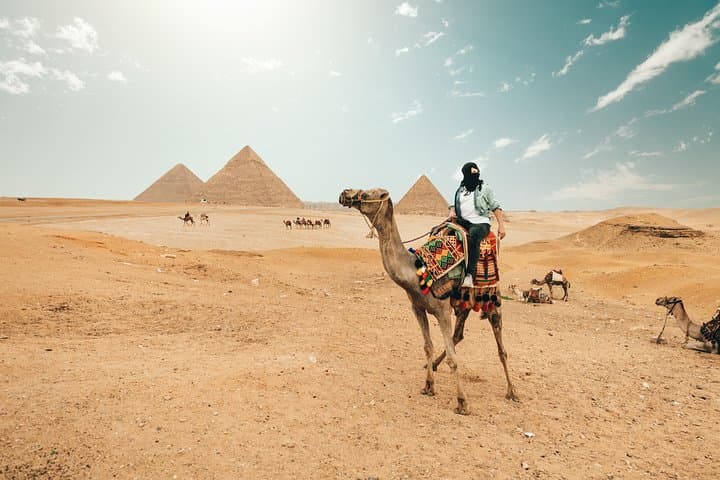
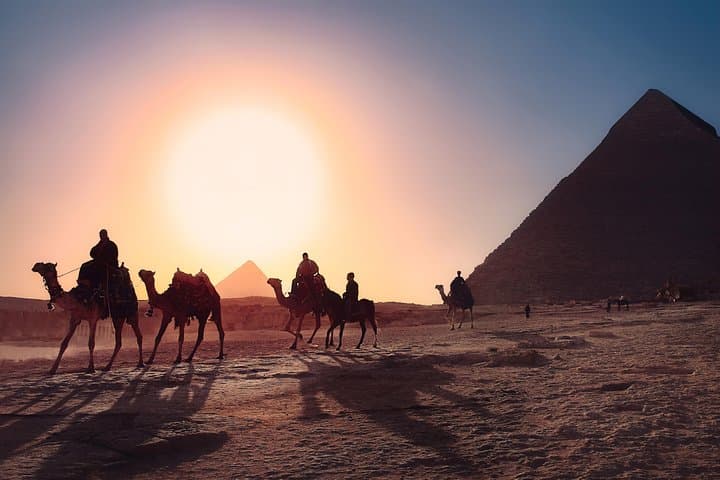
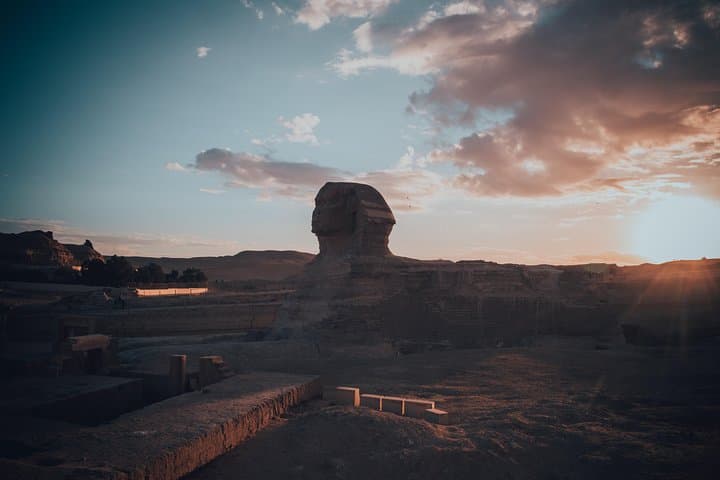
The sun leans low over the Giza Plateau, throwing the pyramids into crisp silhouette as your camel rises and falls with the rhythm of the desert. Sand whispers at the creature’s hooves; the plateau’s hard limestone meets soft dune in a strip of color where shadow chases light. Across the flat, the three great tombs—Khufu, Khafre and Menkaure—hold an unmistakable stillness while handlers guide you along routes used by generations.
Verified experiences and guided adventures in the surrounding area.
Operated by Travelish Tours · Giza, Giza Governorate
The sun leans low over the Giza Plateau, throwing the pyramids into crisp silhouette as your camel rises and falls with the rhythm of the desert. Sand whispers at the creature’s hooves; the plateau’s hard limestone meets soft dune in a strip of color where shadow chases light. Across the flat, the three great tombs—Khufu, Khafre and Menkaure—hold an unmistakable stillness while handlers guide you along routes used by generations.
Those stones are 4,500 years of human engineering: quarried limestone and granite placed by a civilization oriented to the Nile and the stars. The plateau’s geology is a mix of bedrock and wind-swept sand that shapes easy riding terrain—firm underfoot near the monuments, softer on the fringes where dunes collect. Culturally, camel and horse handlers on the plateau are part guide, part storyteller; they can frame shots, point out lesser-known angles, and offer quick insights into local customs.
Practical note: the full experience runs about three hours including hotel pickup, with roughly two hours of riding and photo stops. No prior riding skill is required; camels used here are accustomed to tourists, but follow your handler’s instructions. Bring sun protection, a face-covering for dust, closed-toe shoes, and a charged camera. Plan for strong light and possible wind—arrive with layers for brisk post-sunset temperatures. Respect signage and staff: climbing the monuments is illegal and harmful. With basic preparation you’ll leave with striking photos and the steady pace of the desert still in your step.
easy.
3 hours.
Suitable for most fitness levels; you should be able to mount/dismount with minimal assistance and sit in a saddle for about 60–120 minutes.
No—camels and horses used for these tours are trained for tourists and handlers guide mounting, riding, and dismounting.
No—this ride provides views and photo stops near the pyramids; entrance into the pyramid interiors is not included and requires separate tickets.
Yes—pickup and return from hotels in Cairo or Giza are typically included; confirm your pickup point when booking.
The tour is generally suitable for children and many adults, but pregnant travelers or those with recent injuries should consult their physician and notify the operator in advance.
The Giza Plateau holds the pyramids of Khufu (Cheops), Khafre (Chephren) and Menkaure (Mykerinus), monumental tombs built roughly 4,500 years ago using local limestone and imported granite.
Avoid climbing on monuments, stick to marked paths, and carry out any trash; responsible tourism helps protect fragile archaeology and desert soils.
Travelish Tours operates guided outdoor trips and adventures with an emphasis on safety, stewardship, and memorable experiences.

The sun leans low over the Giza Plateau, throwing the pyramids into crisp silhouette as your camel rises and falls with the rhythm of the desert. Sand whispers at the creature’s hooves; the plateau’s hard limestone meets soft dune in a strip of color where shadow chases light. Across the flat, the three great tombs—Khufu, Khafre and Menkaure—hold an unmistakable stillness while handlers guide you along routes used by generations.
The sun leans low over the Giza Plateau, throwing the pyramids into crisp silhouette as your camel rises and falls with the rhythm of the desert. Sand whispers at the creature’s hooves; the plateau’s hard limestone meets soft dune in a strip of color where shadow chases light. Across the flat, the three great tombs—Khufu, Khafre and Menkaure—hold an unmistakable stillness while handlers guide you along routes used by generations.
Those stones are 4,500 years of human engineering: quarried limestone and granite placed by a civilization oriented to the Nile and the stars. The plateau’s geology is a mix of bedrock and wind-swept sand that shapes easy riding terrain—firm underfoot near the monuments, softer on the fringes where dunes collect. Culturally, camel and horse handlers on the plateau are part guide, part storyteller; they can frame shots, point out lesser-known angles, and offer quick insights into local customs.
Practical note: the full experience runs about three hours including hotel pickup, with roughly two hours of riding and photo stops. No prior riding skill is required; camels used here are accustomed to tourists, but follow your handler’s instructions. Bring sun protection, a face-covering for dust, closed-toe shoes, and a charged camera. Plan for strong light and possible wind—arrive with layers for brisk post-sunset temperatures. Respect signage and staff: climbing the monuments is illegal and harmful. With basic preparation you’ll leave with striking photos and the steady pace of the desert still in your step.