THE ADVENTURE COLLECTIVE® · Independent discovery and booking for outdoor travel

Ride a camel across the Giza Plateau at sunset and watch the Great Pyramids sharpen into silhouette. This accessible, guided experience pairs dramatic views with local insights and practical tips for first-time visitors.
Ride a camel across the Giza Plateau at sunset and watch the Great Pyramids sharpen into silhouette. This accessible, guided experience pairs dramatic views with local insights and practical tips for first-time visitors.
The air cools and the silhouette of three stone triangles sharpens against a sinking sun as you mount a camel on the Giza Plateau. Sand grinds underfoot and the camel’s steady sway sets a slow, deliberate pace; the pyramids — Cheops, Chephren and Mykerinus — loom like timekeepers watching a modern procession.
Verified experiences and guided adventures in the surrounding area.
Operated by Three Pyramids Tours · Giza, Giza Governorate
The air cools and the silhouette of three stone triangles sharpens against a sinking sun as you mount a camel on the Giza Plateau. Sand grinds underfoot and the camel’s steady sway sets a slow, deliberate pace; the pyramids — Cheops, Chephren and Mykerinus — loom like timekeepers watching a modern procession.
These monuments date to around 4,500 years ago, built from limestone blocks quarried nearby and aligned with astronomical precision. The plateau sits on sedimentary bedrock that was raised above the Nile floodplain, giving the pyramids their commanding height. Local culture here is a blend: contemporary Egyptian life rubs against millennia-old ritual, with camel handlers, Bedouin guides and museum curators all part of the scene.
Expect a guided loop outside the pyramids at sunset, often paired with hotel pickup in an air-conditioned vehicle and light snacks. Photography is prime at golden hour, but be prepared for dust, strong sun and polite haggling when buying souvenirs. Camel riding is low-impact but requires mounting skills; those with back or spinal issues should opt out.
Practical tips: wear closed shoes, sun protection and layered clothing for cooling evening breezes; bring water and small cash for tips and photos. Tours typically don’t include interior pyramid entry — that requires separate tickets. Respect signage: climbing the pyramids is illegal and damages the site. The experience is equal parts archaeology and theatre: an accessible way to feel the desert’s slow rhythm while standing next to structures that have changed little in four millennia.
easy.
4–5 hours.
Light fitness; able to mount/dismount a camel and walk short distances on sand.
Yes — most tours include pickup and drop-off in an air-conditioned vehicle; confirm your pickup point when booking.
Interior entry is usually not included and requires separate tickets; this tour focuses on exterior views and camel riding.
Not recommended for travelers with spinal injuries; the tour notes that it’s suitable for general fitness levels but warns those with back issues to avoid riding.
Photography of the pyramids and the plateau is allowed, but handlers may request tips for photos; drone use is restricted and requires permits.
The Great Pyramid of Khufu (Cheops) was the tallest man-made structure for over 3,800 years and forms the core of Giza’s complex of royal tombs and workers’ settlements.
Visitor pressure and erosion threaten fragile surfaces; follow marked paths, avoid climbing monuments and support licensed guides who adhere to local regulations.
Three Pyramids Tours operates guided outdoor trips and adventures with an emphasis on safety, stewardship, and memorable experiences.
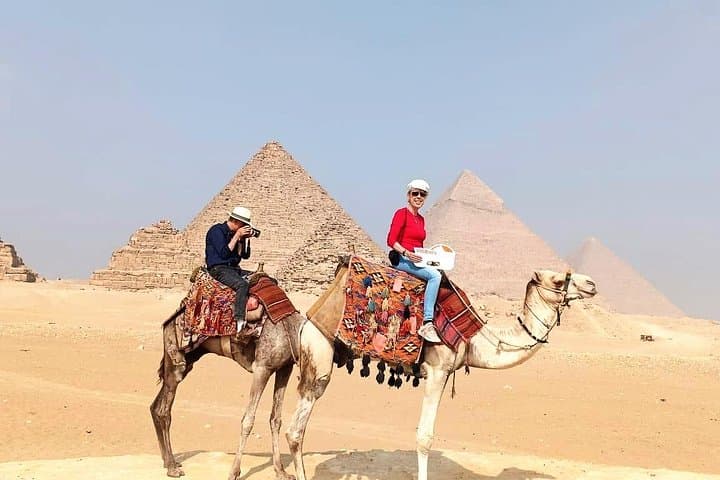
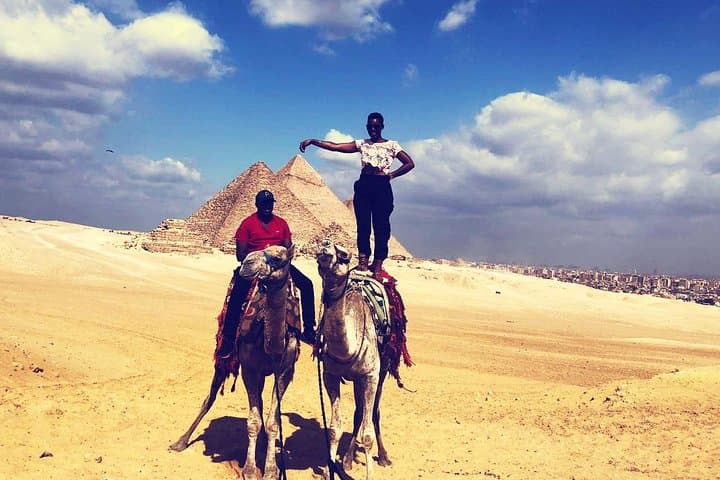
The air cools and the silhouette of three stone triangles sharpens against a sinking sun as you mount a camel on the Giza Plateau. Sand grinds underfoot and the camel’s steady sway sets a slow, deliberate pace; the pyramids — Cheops, Chephren and Mykerinus — loom like timekeepers watching a modern procession.
The air cools and the silhouette of three stone triangles sharpens against a sinking sun as you mount a camel on the Giza Plateau. Sand grinds underfoot and the camel’s steady sway sets a slow, deliberate pace; the pyramids — Cheops, Chephren and Mykerinus — loom like timekeepers watching a modern procession.
These monuments date to around 4,500 years ago, built from limestone blocks quarried nearby and aligned with astronomical precision. The plateau sits on sedimentary bedrock that was raised above the Nile floodplain, giving the pyramids their commanding height. Local culture here is a blend: contemporary Egyptian life rubs against millennia-old ritual, with camel handlers, Bedouin guides and museum curators all part of the scene.
Expect a guided loop outside the pyramids at sunset, often paired with hotel pickup in an air-conditioned vehicle and light snacks. Photography is prime at golden hour, but be prepared for dust, strong sun and polite haggling when buying souvenirs. Camel riding is low-impact but requires mounting skills; those with back or spinal issues should opt out.
Practical tips: wear closed shoes, sun protection and layered clothing for cooling evening breezes; bring water and small cash for tips and photos. Tours typically don’t include interior pyramid entry — that requires separate tickets. Respect signage: climbing the pyramids is illegal and damages the site. The experience is equal parts archaeology and theatre: an accessible way to feel the desert’s slow rhythm while standing next to structures that have changed little in four millennia.