THE ADVENTURE COLLECTIVE® · Independent discovery and booking for outdoor travel

Ride a camel across the Giza Plateau at sunset for a close-up view of the Great Pyramids. This practical guide explains what to expect, how to prepare, and the local context behind the stones.
Ride a camel across the Giza Plateau at sunset for a close-up view of the Great Pyramids. This practical guide explains what to expect, how to prepare, and the local context behind the stones.
A warm wind pushes across the open sand as you climb onto the padded saddle; the camel rises with a gentle, swaying lurch and the three great silhouettes of Khufu, Khafre and Menkaure cut the horizon. The ride takes place on the Giza Plateau just outside Cairo, where the desert floor meets millennia of stone and the setting sun throws the pyramids into sharp relief.
Verified experiences and guided adventures in the surrounding area.
Operated by Three Pyramids Tours · Giza, Giza Governorate
A warm wind pushes across the open sand as you climb onto the padded saddle; the camel rises with a gentle, swaying lurch and the three great silhouettes of Khufu, Khafre and Menkaure cut the horizon. The ride takes place on the Giza Plateau just outside Cairo, where the desert floor meets millennia of stone and the setting sun throws the pyramids into sharp relief.
These pyramids date to Egypt’s Old Kingdom (around 2600–2500 BCE) and were built as monumental tombs for the pharaohs. The plateau itself sits on limestone bedrock with sand and wind-blown grit forming low dunes; the Sphinx nearby adds a layer of cultural theater to the landscape. Local Bedouin and camel handlers are part of the lived culture here, offering a centuries-old mode of desert travel that modern visitors now share for short tours.
Practically, expect low, gritty trails underfoot, short bursts of climbing onto the camel, and long, slow sways while the animal moves. Sun and sand are constants — the plateau can be blistering in summer but crisp in winter evenings. Photography is excellent at golden hour; the light sculpts the blocks and throws long shadows.
Plan for sun protection, closed shoes, and a camera strap. Listen to your guide on where to ride and dismount, avoid climbing the monuments, and carry water. The tour mixes a tactile introduction to desert travel with concentrated history: an accessible, memorable way to touch one of the world’s oldest landscapes.
easy.
5 hours.
Minimal fitness required; able to mount a camel and stand/walk short distances is sufficient
Yes; handlers lead the animals and give instructions. Riders with spinal issues should avoid camel riding and follow the tour’s health guidance.
Policies vary by operator; confirm at booking whether site admission is included—this tour description notes admission is included for the pyramids area.
Rides commonly last 20–45 minutes depending on the operator and itinerary, within a roughly 5-hour private tour timeframe including hotel pickup and other stops.
Children can usually join but must be able to sit securely on the camel and follow handlers’ directions; check age or weight limits with the operator before booking.
The three main pyramids were built during Egypt’s Fourth Dynasty as monumental tombs for pharaohs Khufu, Khafre and Menkaure around 2600–2500 BCE.
High visitor pressure and fragile desert ecology mean you should stay on designated paths, avoid climbing the monuments, and minimize plastic waste; support licensed guides who practice sustainable operations.
Three Pyramids Tours operates guided outdoor trips and adventures with an emphasis on safety, stewardship, and memorable experiences.
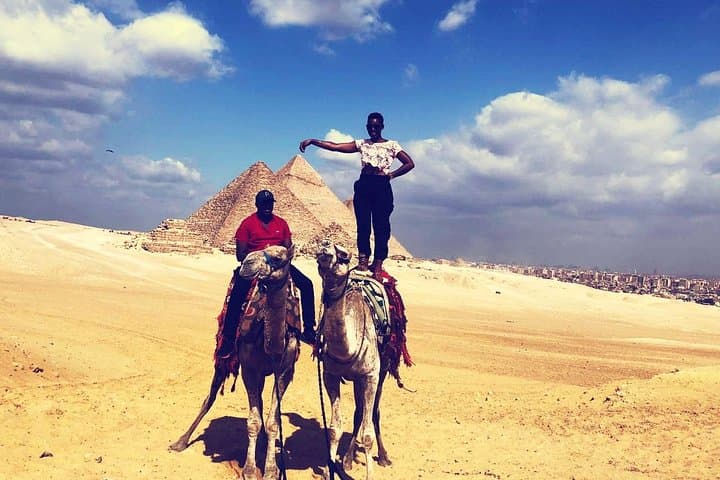
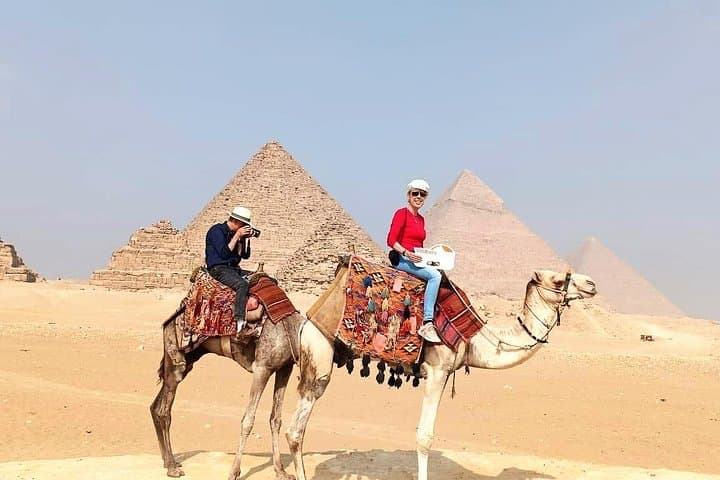
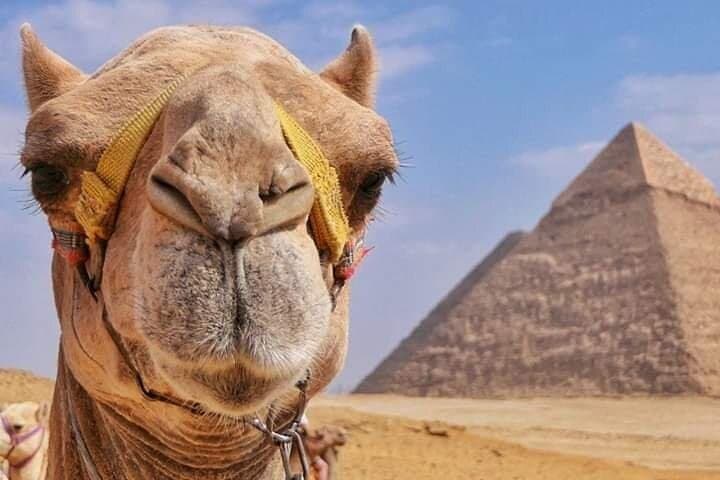
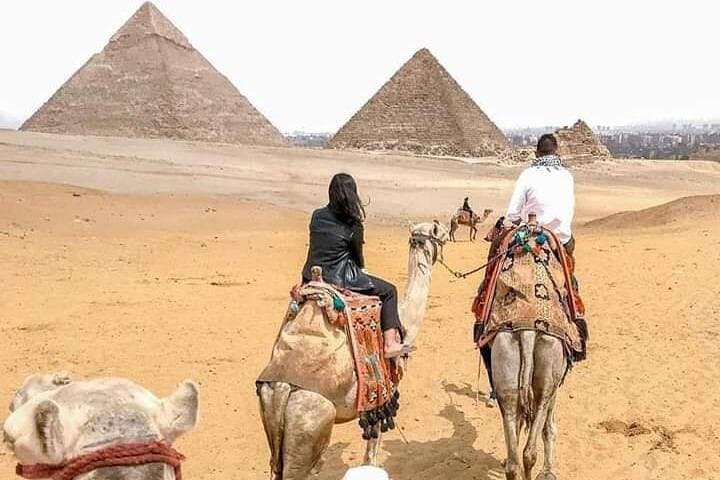
A warm wind pushes across the open sand as you climb onto the padded saddle; the camel rises with a gentle, swaying lurch and the three great silhouettes of Khufu, Khafre and Menkaure cut the horizon. The ride takes place on the Giza Plateau just outside Cairo, where the desert floor meets millennia of stone and the setting sun throws the pyramids into sharp relief.
A warm wind pushes across the open sand as you climb onto the padded saddle; the camel rises with a gentle, swaying lurch and the three great silhouettes of Khufu, Khafre and Menkaure cut the horizon. The ride takes place on the Giza Plateau just outside Cairo, where the desert floor meets millennia of stone and the setting sun throws the pyramids into sharp relief.
These pyramids date to Egypt’s Old Kingdom (around 2600–2500 BCE) and were built as monumental tombs for the pharaohs. The plateau itself sits on limestone bedrock with sand and wind-blown grit forming low dunes; the Sphinx nearby adds a layer of cultural theater to the landscape. Local Bedouin and camel handlers are part of the lived culture here, offering a centuries-old mode of desert travel that modern visitors now share for short tours.
Practically, expect low, gritty trails underfoot, short bursts of climbing onto the camel, and long, slow sways while the animal moves. Sun and sand are constants — the plateau can be blistering in summer but crisp in winter evenings. Photography is excellent at golden hour; the light sculpts the blocks and throws long shadows.
Plan for sun protection, closed shoes, and a camera strap. Listen to your guide on where to ride and dismount, avoid climbing the monuments, and carry water. The tour mixes a tactile introduction to desert travel with concentrated history: an accessible, memorable way to touch one of the world’s oldest landscapes.