THE ADVENTURE COLLECTIVE® · Independent discovery and booking for outdoor travel

Ride a camel along the edge of the Sahara as the sun lowers behind the Giza pyramids. This private four‑hour experience pairs an Egyptologist’s context with Bedouin-led camel travel for a vivid sunrise or sunset viewpoint.
Ride a camel along the edge of the Sahara as the sun lowers behind the Giza pyramids. This private four‑hour experience pairs an Egyptologist’s context with Bedouin-led camel travel for a vivid sunrise or sunset viewpoint.
The sun drops low behind the pyramids and the desert exhales a cool, sandy breath. You sit high on a slow-moving camel as the three great monuments slice the horizon—shadows lengthen, and the plateau feels older than the language you speak. A local Bedouin leads the caravan; an Egyptologist guide fills the pauses with practical history and detail.
Verified experiences and guided adventures in the surrounding area.
Operated by Grand Egypt Tours · Giza, Giza Governorate
The sun drops low behind the pyramids and the desert exhales a cool, sandy breath. You sit high on a slow-moving camel as the three great monuments slice the horizon—shadows lengthen, and the plateau feels older than the language you speak. A local Bedouin leads the caravan; an Egyptologist guide fills the pauses with practical history and detail.
The Giza plateau is a limestone bench carved by wind and human hands over millennia. Geology here shifts from the compacted bedrock that supports the Great Pyramid to loose desert sand at the plateau’s edge where the Sahara begins. Culturally, the area remains a meeting point: archaeologists, local communities, and tourism operators converge in a living landscape. Bedouin families who work with camels retain practical knowledge—herding rhythms, water conservation, and desert navigation—that shapes the ride.
Practical guidance: the advertised experience runs about four hours door-to-door with roughly one hour on camelback; private air-conditioned transfer, bottled water, and an Egyptologist guide are included. Wear breathable layers and closed-toe shoes; bring sunscreen, a brimmed hat, and sunglasses. Sunrise and sunset deliver the best light but also the coldest mornings and hottest afternoons—plan clothing accordingly. Respect animals by following handler instructions, keep waste off the plateau, and carry small change for local tips. Expect uneven footing when mounting and dismounting, and limited shade during the ride.
This is an accessible introduction to Egypt’s desert edge—visual, short, and rooted in local know-how. Arrive prepared and the panorama becomes a clear, unforgettable frame rather than a blur.
easy.
4 hours (approx.).
Suitable for most fitness levels; you should be able to climb on/off a camel and walk short distances on uneven ground.
The camel portion is about one hour; the full excursion including pickup, briefing, and return is approximately four hours.
Children are welcome but must be accompanied by an adult; infants are generally required to sit on a lap during transport and the operator sets any age-related rules.
Layered, breathable clothing; a hat, sunglasses, and SPF for daytime heat; an extra layer for chilly dawn or dusk temperatures.
Bottled water, private transfer, and the guided camel ride are included; tipping local handlers is customary and photos you take are your own.
The Giza Plateau holds the Fourth Dynasty pyramids and was established as a royal necropolis around 4,500 years ago; the stones here reflect both ancient quarrying and millennia of wind erosion.
Stay on permitted paths, avoid leaving waste, and favor operators who work with local communities to minimize erosion and disturbance to archaeological areas.
Grand Egypt Tours operates guided outdoor trips and adventures with an emphasis on safety, stewardship, and memorable experiences.
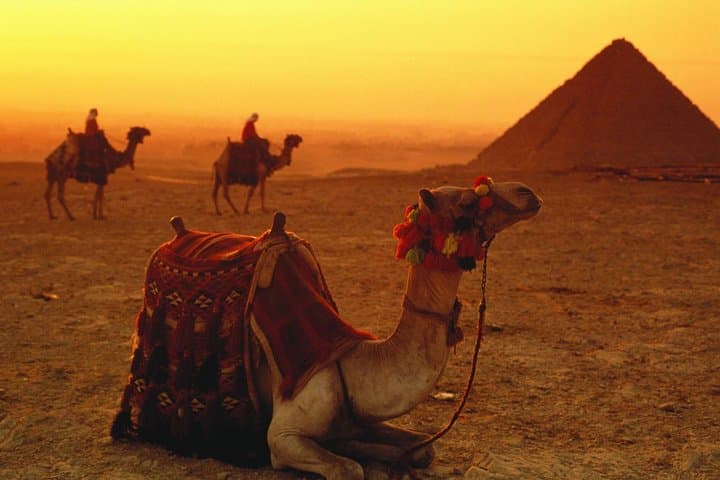
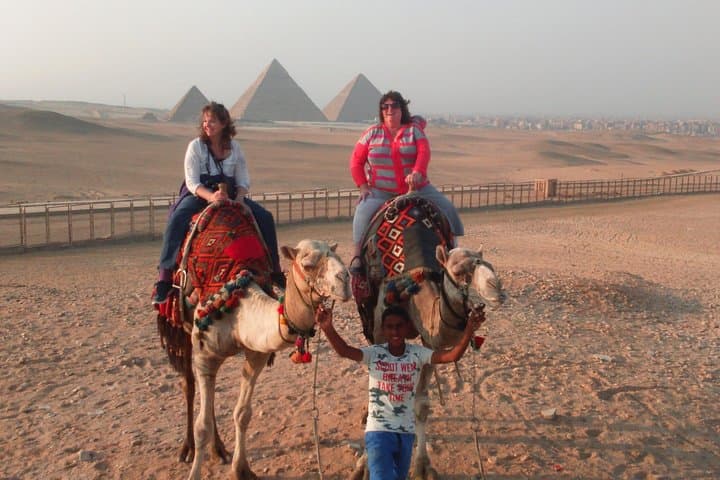
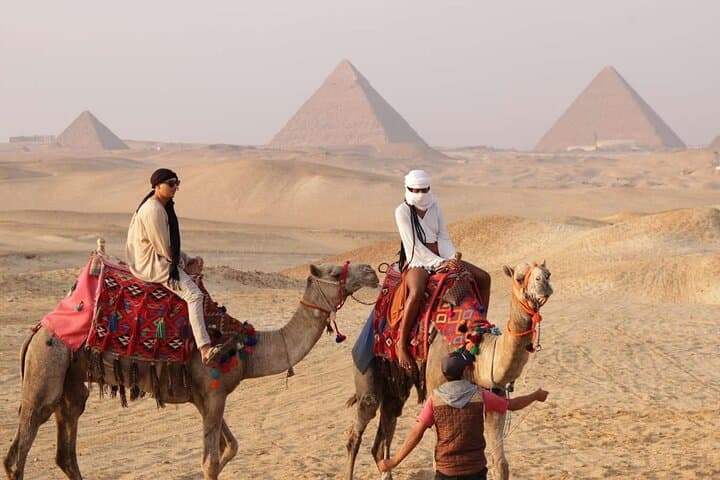
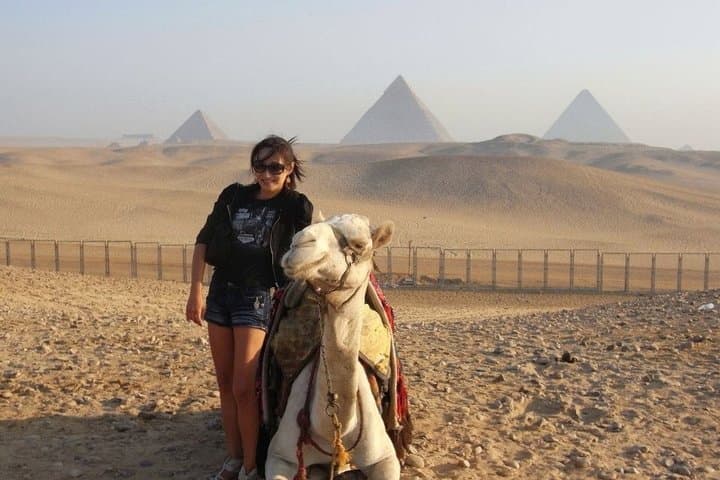
The sun drops low behind the pyramids and the desert exhales a cool, sandy breath. You sit high on a slow-moving camel as the three great monuments slice the horizon—shadows lengthen, and the plateau feels older than the language you speak. A local Bedouin leads the caravan; an Egyptologist guide fills the pauses with practical history and detail.
The sun drops low behind the pyramids and the desert exhales a cool, sandy breath. You sit high on a slow-moving camel as the three great monuments slice the horizon—shadows lengthen, and the plateau feels older than the language you speak. A local Bedouin leads the caravan; an Egyptologist guide fills the pauses with practical history and detail.
The Giza plateau is a limestone bench carved by wind and human hands over millennia. Geology here shifts from the compacted bedrock that supports the Great Pyramid to loose desert sand at the plateau’s edge where the Sahara begins. Culturally, the area remains a meeting point: archaeologists, local communities, and tourism operators converge in a living landscape. Bedouin families who work with camels retain practical knowledge—herding rhythms, water conservation, and desert navigation—that shapes the ride.
Practical guidance: the advertised experience runs about four hours door-to-door with roughly one hour on camelback; private air-conditioned transfer, bottled water, and an Egyptologist guide are included. Wear breathable layers and closed-toe shoes; bring sunscreen, a brimmed hat, and sunglasses. Sunrise and sunset deliver the best light but also the coldest mornings and hottest afternoons—plan clothing accordingly. Respect animals by following handler instructions, keep waste off the plateau, and carry small change for local tips. Expect uneven footing when mounting and dismounting, and limited shade during the ride.
This is an accessible introduction to Egypt’s desert edge—visual, short, and rooted in local know-how. Arrive prepared and the panorama becomes a clear, unforgettable frame rather than a blur.