THE ADVENTURE COLLECTIVE® · Independent discovery and booking for outdoor travel

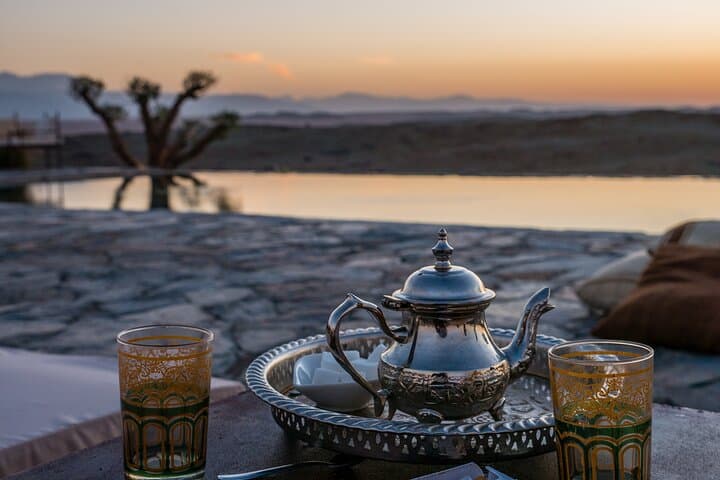
Ride a camel across the stony Agafay plateau, watch the sun dip behind the Atlas foothills, then settle into a desert camp for mint tea, tajine and traditional music. This easy evening trip from Marrakech pairs accessible adventure with authentic Moroccan hospitality.
Ride a camel across the stony Agafay plateau, watch the sun dip behind the Atlas foothills, then settle into a desert camp for mint tea, tajine and traditional music. This easy evening trip from Marrakech pairs accessible adventure with authentic Moroccan hospitality.
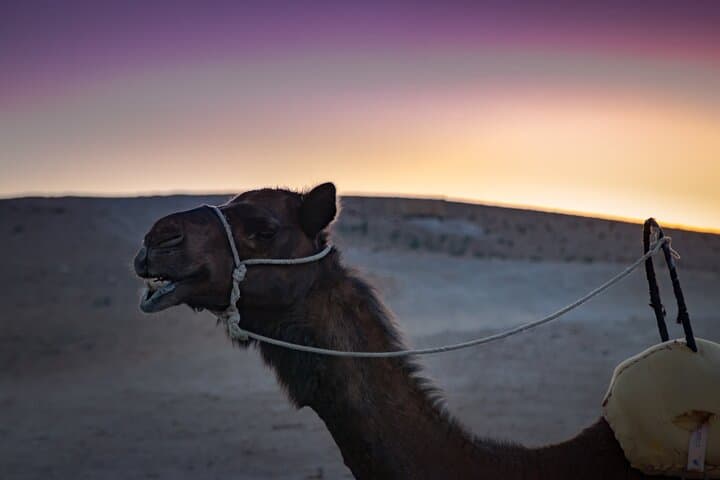
The sun slides low over the stony Agafay plateau, turning the pale rocks honey-gold as a caravan of camels rocks forward, each step a slow metronome against the hush of the desert.
Verified experiences and guided adventures in the surrounding area.
Operated by Marrakech Wonders · Marrakech, Marrakech-Safi
The sun slides low over the stony Agafay plateau, turning the pale rocks honey-gold as a caravan of camels rocks forward, each step a slow metronome against the hush of the desert.
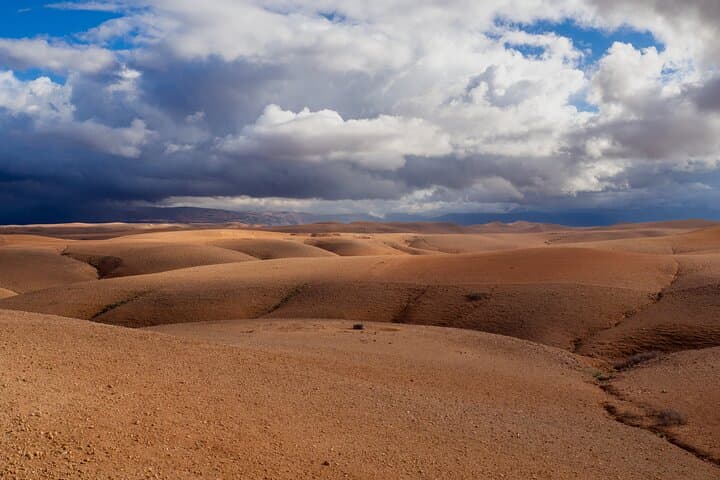
This half-day outing from Marrakech pairs an easy camel trek across the Agafay’s rugged, non-sandy dunes with an evening in a desert camp where mint tea, gnawa rhythms and a communal tajine await. Geologically the Agafay is not Sahara sand but a stony reg — an exposed Pliocene surface shaped by erosion and tectonic uplift from the nearby Atlas foothills. Its flat expanses and low plateaus make wide, open views of the High Atlas possible on clear days.
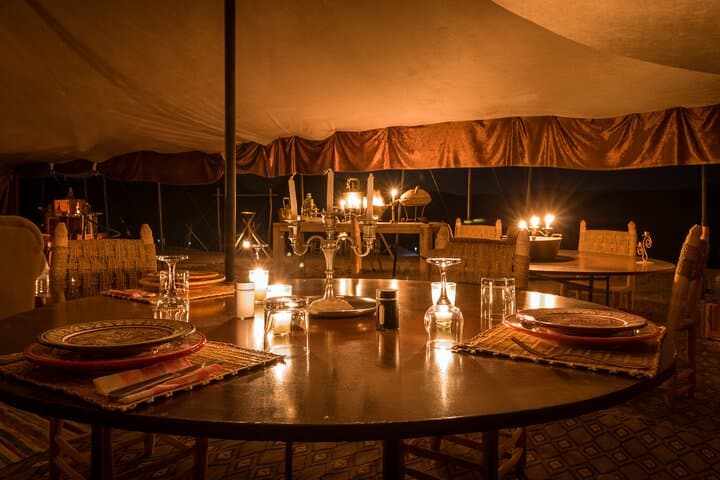
Culturally the visit is as much about hospitality as landscape: local hosts serve salads, couscous and slow-cooked tajine, and you’ll hear Berber and Gnawa musical threads that trace centuries of trade and migration across Morocco.
Practical reality: the camel ride is gentle and suitable for most travelers; evenings get cool so a light jacket helps. Expect 1–2 hours of riding, a short walk to viewpoints, then dinner and music at a camp with simple facilities. Transportation from Marrakech is typically by air-conditioned vehicle, and tours often include bottled water, tea and a traditional henna option.
Plan around sunset for best light, bring sun protection and a small daypack, and be ready to trade city noise for the deliberate pace of the desert night.
easy.
6 hours (including transport).
Suitable for most fitness levels; requires ability to mount a camel and walk short distances.
The typical camel ride portion lasts about 45–90 minutes, depending on the tour itinerary and stopping points.
Yes—most operators welcome children and provide child-sized saddles or assistance; check age limits with the provider.
Many camps can accommodate vegetarian and some dietary requests if notified in advance; confirm during booking or at pickup.
Yes—this tour includes round-trip transport from Marrakech in an air-conditioned vehicle, with pickup from central hotels.
The Agafay is a rocky, non-sandy desert formed by erosion and uplift near the Atlas Mountains; historically the plain acted as seasonal grazing land and a transit zone between Marrakech and mountain communities.
Visitors should stay on established paths, avoid littering and conserve water; many camps use bottled water—bring a refillable bottle to reduce plastic waste.
Marrakech Wonders operates guided outdoor trips and adventures with an emphasis on safety, stewardship, and memorable experiences.
The sun slides low over the stony Agafay plateau, turning the pale rocks honey-gold as a caravan of camels rocks forward, each step a slow metronome against the hush of the desert.
The sun slides low over the stony Agafay plateau, turning the pale rocks honey-gold as a caravan of camels rocks forward, each step a slow metronome against the hush of the desert.
This half-day outing from Marrakech pairs an easy camel trek across the Agafay’s rugged, non-sandy dunes with an evening in a desert camp where mint tea, gnawa rhythms and a communal tajine await. Geologically the Agafay is not Sahara sand but a stony reg — an exposed Pliocene surface shaped by erosion and tectonic uplift from the nearby Atlas foothills. Its flat expanses and low plateaus make wide, open views of the High Atlas possible on clear days.
Culturally the visit is as much about hospitality as landscape: local hosts serve salads, couscous and slow-cooked tajine, and you’ll hear Berber and Gnawa musical threads that trace centuries of trade and migration across Morocco.
Practical reality: the camel ride is gentle and suitable for most travelers; evenings get cool so a light jacket helps. Expect 1–2 hours of riding, a short walk to viewpoints, then dinner and music at a camp with simple facilities. Transportation from Marrakech is typically by air-conditioned vehicle, and tours often include bottled water, tea and a traditional henna option.
Plan around sunset for best light, bring sun protection and a small daypack, and be ready to trade city noise for the deliberate pace of the desert night.