THE ADVENTURE COLLECTIVE® · Independent discovery and booking for outdoor travel

Ride a camel across the wind-scoured Giza Plateau at sunset, then settle in for a BBQ dinner and local entertainment. Learn practical tips for timing, gear and respectful sightseeing at one of the world’s oldest monuments.
Ride a camel across the wind-scoured Giza Plateau at sunset, then settle in for a BBQ dinner and local entertainment. Learn practical tips for timing, gear and respectful sightseeing at one of the world’s oldest monuments.
The plateau smells of warm stone and dry wind as the sun slides toward the horizon, casting the three great shapes—Khufu, Khafre and Menkaure—into long, cinematic shadows. A line of camels rocks gently on the sand; the animals seem to measure the sky and dare you to slow down and feel the motion.
Verified experiences and guided adventures in the surrounding area.
Operated by Three Pyramids Tours · Giza, Giza
The plateau smells of warm stone and dry wind as the sun slides toward the horizon, casting the three great shapes—Khufu, Khafre and Menkaure—into long, cinematic shadows. A line of camels rocks gently on the sand; the animals seem to measure the sky and dare you to slow down and feel the motion.
This experience blends a short camel trek around the outer edge of the Giza Plateau with an evening of local food and entertainment. The pyramids themselves date to the Fourth Dynasty (c. 26th century BCE) and were cut from local limestone and casing stones that once gleamed in the sun. Geologically the site is a raised limestone and desert sandstone shelf, where wind and occasional flash floods have shaped dunes and scattered stone rubble that make footing uneven outside paved areas.
Culturally the visit sits at the meeting point of modern Cairo’s bustle and millennia of funerary ritual; licensed guides will explain tomb function, sight lines and the site's later reuse. Smaller on-site museums, like the Solar Boat Museum, add archaeological context beyond the silhouette of the pyramids.
Practical tips: tours typically include hotel pickup (mobile ticket accepted), about 4–5 hours total with a 20–40 minute camel ride at sunset and a BBQ-style dinner or snacks. Wear closed-toe shoes for sand and limestone, carry water and sun protection, and be mindful that camel mounting requires basic mobility—this tour is not recommended for people with spinal injuries. Respect barriers and regulations: climbing the stones is both illegal and harmful to preservation efforts.
easy.
5 hours.
Light physical fitness—able to mount a camel and walk short uneven distances; suitable for most travelers
Camel rides are typically 20–40 minutes around the outer view areas of the plateau; total tour time is about 4–5 hours including pickup and dinner.
Ground transfer and some viewing points can be wheelchair accessible, but the camel ride itself requires mounting assistance and uneven terrain may limit access.
This tour description indicates admission and guide services are included—confirm specifics with the operator when booking.
Casual, modest clothing is appropriate; bring a light layer for cooler desert evenings and comfortable shoes for walking between tents or dining areas.
The Great Pyramids were constructed in the 26th century BCE as royal tombs; Khufu’s pyramid was the world’s tallest man-made structure for millennia.
Visitor foot traffic and unchecked climbing damage ancient masonry; stay on designated paths, use licensed guides and avoid littering to limit impact.
Three Pyramids Tours operates guided outdoor trips and adventures with an emphasis on safety, stewardship, and memorable experiences.
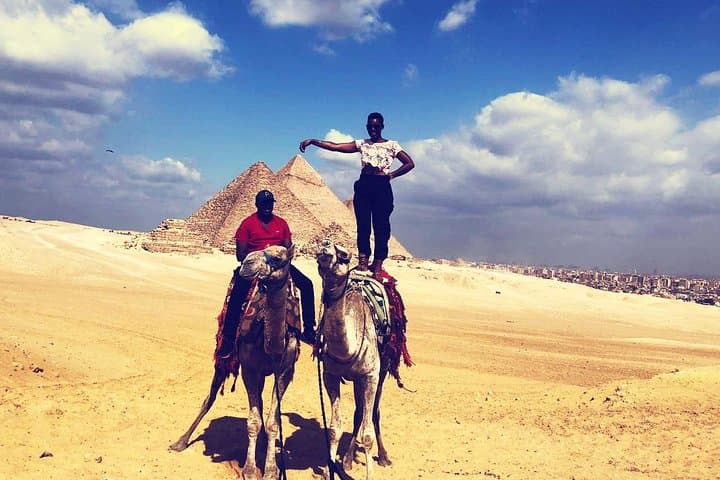
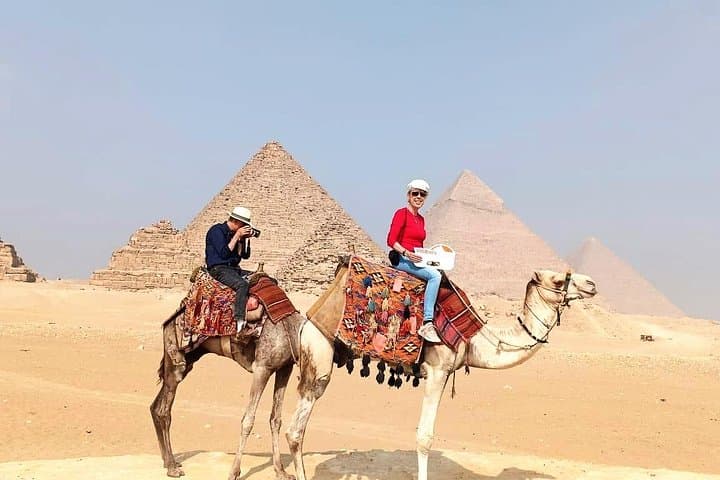
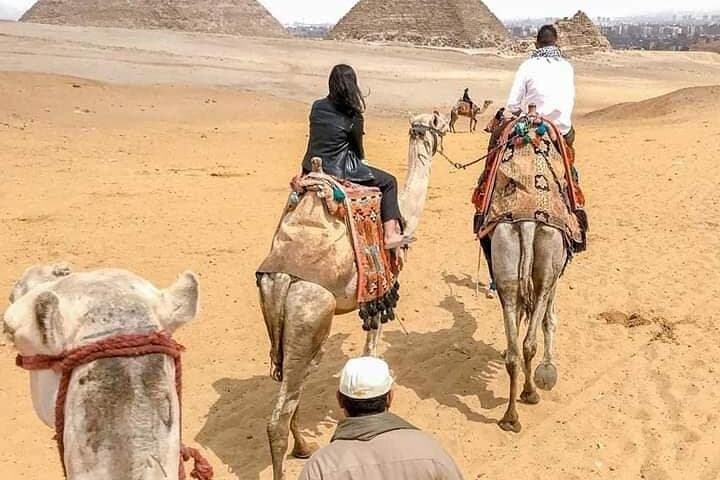
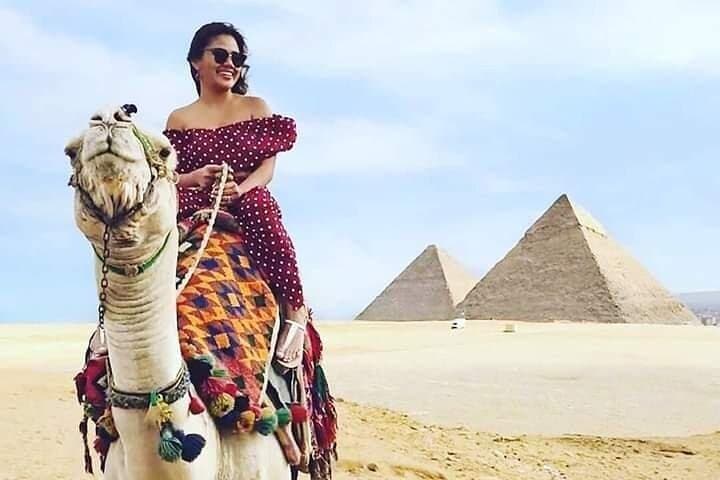
The plateau smells of warm stone and dry wind as the sun slides toward the horizon, casting the three great shapes—Khufu, Khafre and Menkaure—into long, cinematic shadows. A line of camels rocks gently on the sand; the animals seem to measure the sky and dare you to slow down and feel the motion.
The plateau smells of warm stone and dry wind as the sun slides toward the horizon, casting the three great shapes—Khufu, Khafre and Menkaure—into long, cinematic shadows. A line of camels rocks gently on the sand; the animals seem to measure the sky and dare you to slow down and feel the motion.
This experience blends a short camel trek around the outer edge of the Giza Plateau with an evening of local food and entertainment. The pyramids themselves date to the Fourth Dynasty (c. 26th century BCE) and were cut from local limestone and casing stones that once gleamed in the sun. Geologically the site is a raised limestone and desert sandstone shelf, where wind and occasional flash floods have shaped dunes and scattered stone rubble that make footing uneven outside paved areas.
Culturally the visit sits at the meeting point of modern Cairo’s bustle and millennia of funerary ritual; licensed guides will explain tomb function, sight lines and the site's later reuse. Smaller on-site museums, like the Solar Boat Museum, add archaeological context beyond the silhouette of the pyramids.
Practical tips: tours typically include hotel pickup (mobile ticket accepted), about 4–5 hours total with a 20–40 minute camel ride at sunset and a BBQ-style dinner or snacks. Wear closed-toe shoes for sand and limestone, carry water and sun protection, and be mindful that camel mounting requires basic mobility—this tour is not recommended for people with spinal injuries. Respect barriers and regulations: climbing the stones is both illegal and harmful to preservation efforts.