THE ADVENTURE COLLECTIVE® · Independent discovery and booking for outdoor travel

Ride a gentle caravan along Agadir’s shoreline and the Souss River estuary at golden hour. This two-hour tour blends flat coastal terrain, Berber cultural insights, and wildlife watching—ideal for photographers and first-time camel riders.
Ride a gentle caravan along Agadir’s shoreline and the Souss River estuary at golden hour. This two-hour tour blends flat coastal terrain, Berber cultural insights, and wildlife watching—ideal for photographers and first-time camel riders.
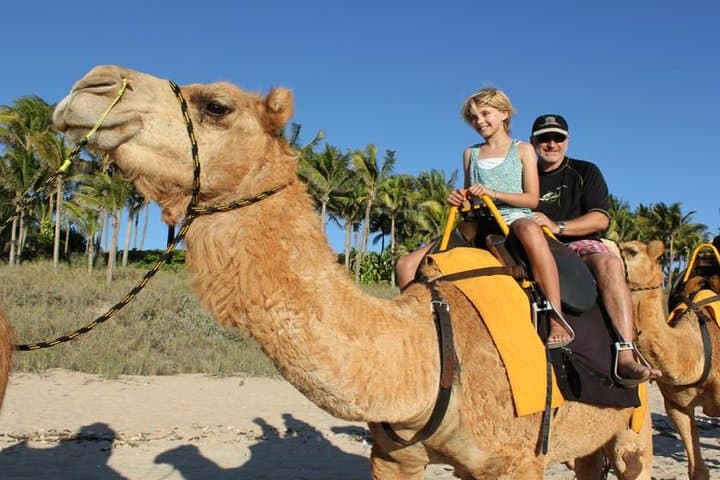
The late afternoon light softens on Agadir’s sandy shore as a row of camels steps from a shaded packing area and into the surf-scented air.
Verified experiences and guided adventures in the surrounding area.
Operated by Asarghin tours · Agadir, Souss-Massa
The late afternoon light softens on Agadir’s sandy shore as a row of camels steps from a shaded packing area and into the surf-scented air.
You move slowly along the beach, the Souss River’s mouth nudging at the coastline, while guides steady the caravan and offer Moroccan mint tea at a pause point. The route is flat—beach sand, compact riverbank, and low dunes—so the rhythm is more meditative than strenuous, ideal for photographers and first-time riders.
This short trek traces landscapes shaped by the Atlas foothills and the river’s seasonal flows, where Berber and nomadic cultures once moved livestock between plains and coast. Camels remain part tool and part companion: practical for transport, and now part of cultural tours that highlight local history and coastal ecology.
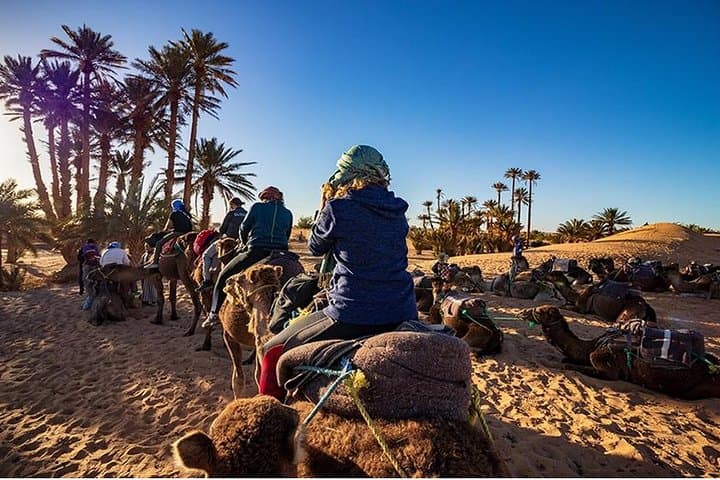
Expect visits to open beach, river edge, and a stretch of scrubby dune vegetation where migratory birds gather. Guides commonly point out flamingo feeding spots and explain local grazing traditions while keeping group sizes manageable.
Practically: the experience runs about two hours and includes round-trip transfers in air-conditioned vehicles. Terrain is level with minimal elevation gain; it’s wheelchair-accessible in parts but not suited for travelers with spinal injuries. Dress for sun and wind, carry water, and plan for golden hour if you want dramatic light.
The ride balances quiet coastal scenery with cultural context—an accessible, camera-friendly way to connect with southern Morocco’s shoreline and living heritage.
easy.
2 hours.
Suitable for most fitness levels; minimal walking and no technical exertion required
The guided experience is approximately two hours total, including short stops for photos and tea.
Yes—round-trip transfers in air-conditioned vehicles are included as part of the booking.
Infants and small children can participate; some sections are wheelchair-accessible, but the ride is not recommended for travelers with spinal injuries.
Yes—guides encourage photography; secure loose items and use a strap for cameras to avoid drops.
Camels have long been part of Saharan and southern Moroccan life; coastal caravan routes linked Berber communities to riverine grazing and trade along the Souss plain.
Stay on designated paths near the estuary, avoid disturbing feeding birds, and carry out all trash—coastal wetlands here are important stopovers for migratory species.
Asarghin tours operates guided outdoor trips and adventures with an emphasis on safety, stewardship, and memorable experiences.
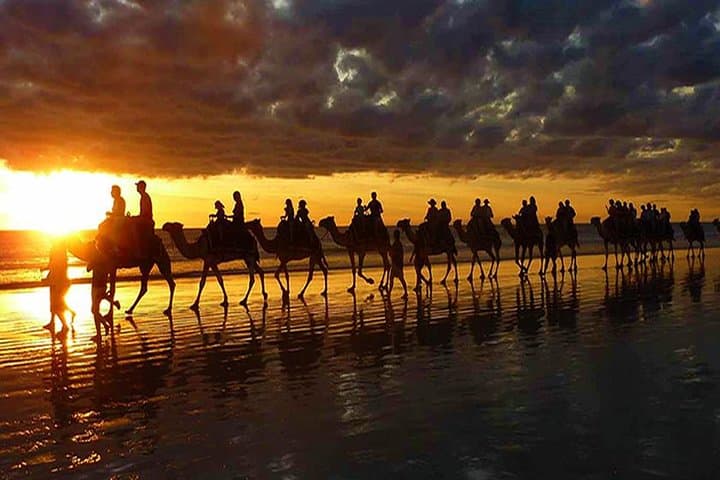
The late afternoon light softens on Agadir’s sandy shore as a row of camels steps from a shaded packing area and into the surf-scented air.
The late afternoon light softens on Agadir’s sandy shore as a row of camels steps from a shaded packing area and into the surf-scented air.
You move slowly along the beach, the Souss River’s mouth nudging at the coastline, while guides steady the caravan and offer Moroccan mint tea at a pause point. The route is flat—beach sand, compact riverbank, and low dunes—so the rhythm is more meditative than strenuous, ideal for photographers and first-time riders.
This short trek traces landscapes shaped by the Atlas foothills and the river’s seasonal flows, where Berber and nomadic cultures once moved livestock between plains and coast. Camels remain part tool and part companion: practical for transport, and now part of cultural tours that highlight local history and coastal ecology.
Expect visits to open beach, river edge, and a stretch of scrubby dune vegetation where migratory birds gather. Guides commonly point out flamingo feeding spots and explain local grazing traditions while keeping group sizes manageable.
Practically: the experience runs about two hours and includes round-trip transfers in air-conditioned vehicles. Terrain is level with minimal elevation gain; it’s wheelchair-accessible in parts but not suited for travelers with spinal injuries. Dress for sun and wind, carry water, and plan for golden hour if you want dramatic light.
The ride balances quiet coastal scenery with cultural context—an accessible, camera-friendly way to connect with southern Morocco’s shoreline and living heritage.