THE ADVENTURE COLLECTIVE® · Independent discovery and booking for outdoor travel

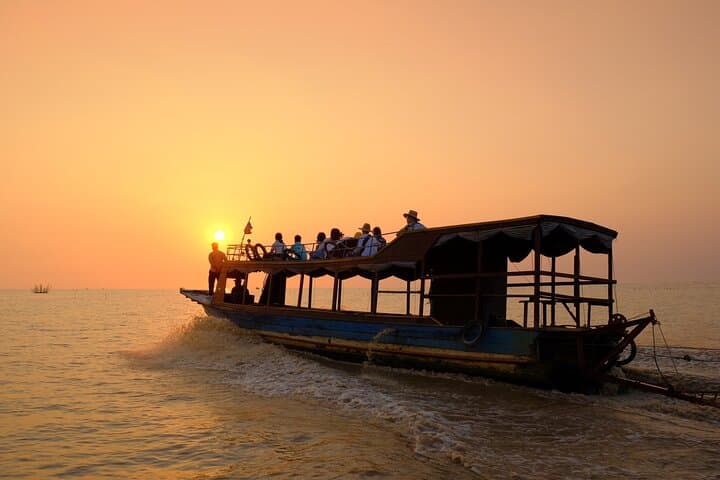
Glide through channels to a village on stilts, watch fishermen and floating markets adjust to the lake’s tides, and end the day with a Tonlé Sap sunset. This half-day trip from Siem Reap blends cultural insight with accessible on-water time.
Glide through channels to a village on stilts, watch fishermen and floating markets adjust to the lake’s tides, and end the day with a Tonlé Sap sunset. This half-day trip from Siem Reap blends cultural insight with accessible on-water time.
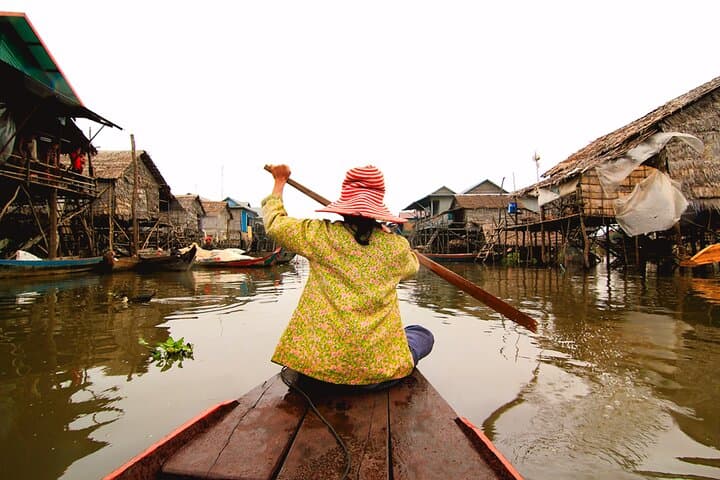
You push off in a low-slung motorboat as the late-afternoon light softens over Tonlé Sap. Wooden stilts rise like a forest from the water; children wave from floating schools and fishermen steer bamboo traps. The boat cuts through narrow channels into wider lake vistas where the shoreline alternates between mangrove fringe and impromptu floating markets.
Verified experiences and guided adventures in the surrounding area.
Operated by Wadi Rum Fire Camp · Siem Reap, Siem Reap Province
You push off in a low-slung motorboat as the late-afternoon light softens over Tonlé Sap. Wooden stilts rise like a forest from the water; children wave from floating schools and fishermen steer bamboo traps. The boat cuts through narrow channels into wider lake vistas where the shoreline alternates between mangrove fringe and impromptu floating markets.
Tonlé Sap’s seasonal pulse—flooding dramatically each wet season—shapes everything here. Kampong Phluk’s elevated houses and walkways are practical architecture born of those rhythms; the lake and surrounding wetlands were named a UNESCO Biosphere Reserve for their ecological productivity. The culture is tied to fish, rice and trade, with daily life adjusting to the water level and seasonal migrations of birds and fish.
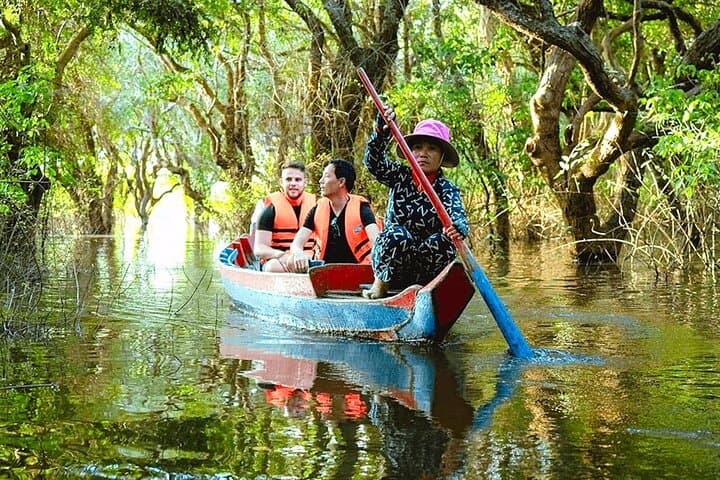
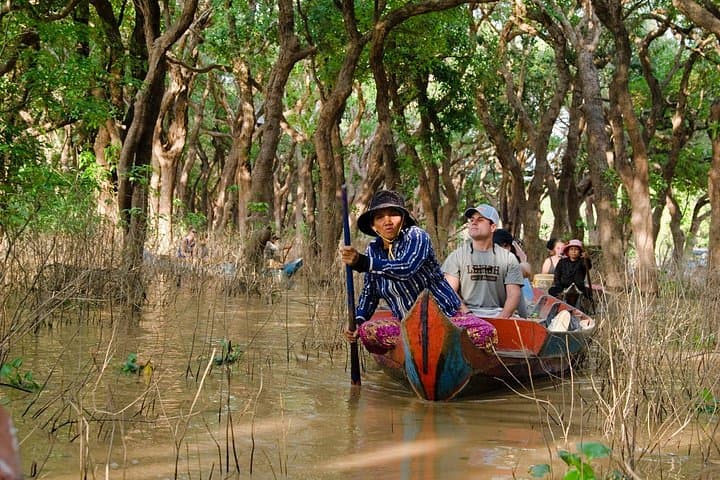
Practical guide: this half-day runs about 4–5 hours with hotel pickup in an air-conditioned minivan and on-water time aboard a motorized boat; a short rowing canoe through mangrove channels is often available October–January when levels permit. Expect unpaved docks and occasional wet footing—waterproof bags, a sun hat, and insect repellent matter. Bring a camera with a strap and a small amount of local currency for community entry fees or purchases at floating vendors. Respect private spaces and ask before photographing people.
Timing matters: arrive for late afternoon to catch the warm light and calmer winds for sunset photos. Guides explain local ecology and history throughout the trip—use that time to ask about fishing practices and conservation pressures. Leave single-use plastics behind and follow guidance from your guide to minimize disturbance to this living, shifting landscape.
easy.
4–5 hours.
Suitable for most fitness levels; requires short walks on uneven docks and steady balance on boats
Yes—this tour includes hotel pickup and drop-off in Siem Reap by air-conditioned minivan.
Children are allowed; life jackets are provided but parents should supervise on docks and boats.
Yes—water levels change seasonally; some canoe channels and village access vary between dry and wet seasons, and guides may adjust the route accordingly.
Yes—the tour typically includes a short visit to Kampong Phluk (access dependent on water level) where you can observe daily life and learn from the guide.
Tonlé Sap’s flood pulse has supported fishing communities for centuries; the lake’s seasonal expansion and contraction shaped stilt-house architecture and local livelihoods.
Tonlé Sap faces pressures from overfishing and development—low-impact tourism, paying community fees, and avoiding plastic waste help support local conservation.
Wadi Rum Fire Camp operates guided outdoor trips and adventures with an emphasis on safety, stewardship, and memorable experiences.
You push off in a low-slung motorboat as the late-afternoon light softens over Tonlé Sap. Wooden stilts rise like a forest from the water; children wave from floating schools and fishermen steer bamboo traps. The boat cuts through narrow channels into wider lake vistas where the shoreline alternates between mangrove fringe and impromptu floating markets.
You push off in a low-slung motorboat as the late-afternoon light softens over Tonlé Sap. Wooden stilts rise like a forest from the water; children wave from floating schools and fishermen steer bamboo traps. The boat cuts through narrow channels into wider lake vistas where the shoreline alternates between mangrove fringe and impromptu floating markets.
Tonlé Sap’s seasonal pulse—flooding dramatically each wet season—shapes everything here. Kampong Phluk’s elevated houses and walkways are practical architecture born of those rhythms; the lake and surrounding wetlands were named a UNESCO Biosphere Reserve for their ecological productivity. The culture is tied to fish, rice and trade, with daily life adjusting to the water level and seasonal migrations of birds and fish.
Practical guide: this half-day runs about 4–5 hours with hotel pickup in an air-conditioned minivan and on-water time aboard a motorized boat; a short rowing canoe through mangrove channels is often available October–January when levels permit. Expect unpaved docks and occasional wet footing—waterproof bags, a sun hat, and insect repellent matter. Bring a camera with a strap and a small amount of local currency for community entry fees or purchases at floating vendors. Respect private spaces and ask before photographing people.
Timing matters: arrive for late afternoon to catch the warm light and calmer winds for sunset photos. Guides explain local ecology and history throughout the trip—use that time to ask about fishing practices and conservation pressures. Leave single-use plastics behind and follow guidance from your guide to minimize disturbance to this living, shifting landscape.