THE ADVENTURE COLLECTIVE® · Independent discovery and booking for outdoor travel

Glide through stilt-house villages and onto the open Tonle Sap for a private sunset that reveals the adaptive life of Kompong Phluk. This afternoon tour balances cultural insight with easy-paced boating and a choice of sunset views from boat or floating restaurant.
Glide through stilt-house villages and onto the open Tonle Sap for a private sunset that reveals the adaptive life of Kompong Phluk. This afternoon tour balances cultural insight with easy-paced boating and a choice of sunset views from boat or floating restaurant.
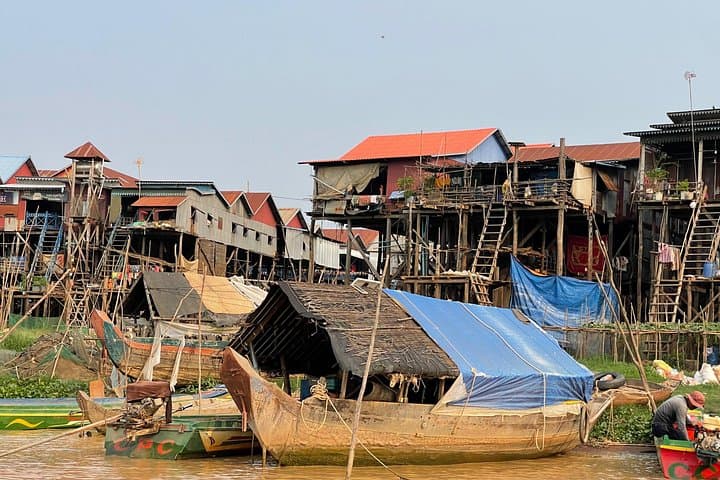
The boat slips free from the harbor as late afternoon light slopes over the lake and the stilt houses of Kompong Phluk come into view. Water shimmers like a moving floor, rice paddies and drowned trees standing as markers of the season; children wave from raised porches while fishermen push nets through shallow channels. The guide points out the silhouette of a pagoda that once stood on dry land, now half-submerged — a quiet record of Tonle Sap’s dramatic annual pulse.
Verified experiences and guided adventures in the surrounding area.
Operated by ANGKOR CAB-OFF BEATEN TRUCK · Siem Reap, Siem Reap Province
The boat slips free from the harbor as late afternoon light slopes over the lake and the stilt houses of Kompong Phluk come into view. Water shimmers like a moving floor, rice paddies and drowned trees standing as markers of the season; children wave from raised porches while fishermen push nets through shallow channels. The guide points out the silhouette of a pagoda that once stood on dry land, now half-submerged — a quiet record of Tonle Sap’s dramatic annual pulse.
Tonle Sap is one of Asia’s most dynamic freshwater ecosystems. During the monsoon the lake swells, swallowing villages' lower levels and turning roads into boat lanes; in the dry season water retreats and mudflats appear. Kompong Phluk’s raised wooden houses and walkways reflect a culture adapted to that rhythm: boats are both transport and livelihood, and markets and schools shift with the waterline.
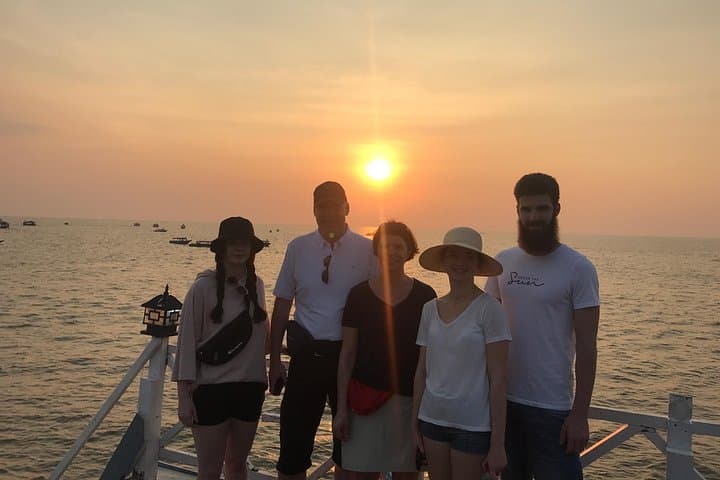
On this private afternoon tour travelers can expect a relaxed pace: a guided harbor transfer, an hour or more exploring the flooded village by narrow boat, and a final glide onto the open lake for sunset. Options include watching the sky from the boat or a floating restaurant with drinks.
Practical tips — wear quick-dry clothing and a light waterproof layer, bring insect repellent and a headlamp for returns, and secure camera gear from spray. Pick a spot on the shaded side of the boat to avoid glare during photos. Boats can be low to the water; step carefully and follow the crew’s instructions. With straightforward logistics and vivid local encounters, this afternoon trip delivers an intimate view of life where land and water trade places.
easy.
5–6 hours.
Suitable for most fitness levels; requires ability to embark/disembark low boats and stand or sit for periods.
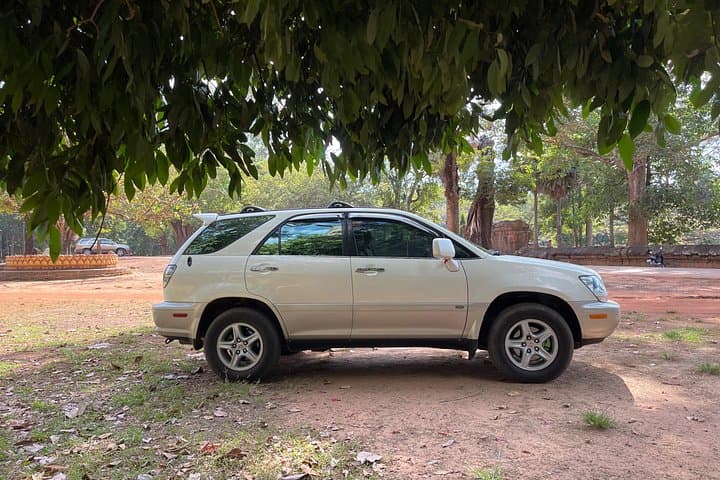
Most tours include hotel pickup in Siem Reap; confirm your pickup time and exact meeting location when you book.
Yes — the pace is gentle and the route is short, but children should be supervised boarding boats and older travelers should be able to step into low boats.
Bring a light jacket, camera with a spare battery, water, and cash if you plan to buy drinks at the floating restaurant.
Yes — guides may alter routes or timing due to high winds, heavy rain, or unusual water conditions to prioritize safety.
Communities around Tonle Sap have adapted for centuries to the lake’s seasonal expansion and contraction, building stilted homes and a floating way of life that reflects centuries of riverine commerce and agriculture.
Tonle Sap is ecologically important but under pressure from overfishing and upstream development; visitors can help by choosing licensed guides and avoiding single-use plastics on tours.
ANGKOR CAB-OFF BEATEN TRUCK operates guided outdoor trips and adventures with an emphasis on safety, stewardship, and memorable experiences.
The boat slips free from the harbor as late afternoon light slopes over the lake and the stilt houses of Kompong Phluk come into view. Water shimmers like a moving floor, rice paddies and drowned trees standing as markers of the season; children wave from raised porches while fishermen push nets through shallow channels. The guide points out the silhouette of a pagoda that once stood on dry land, now half-submerged — a quiet record of Tonle Sap’s dramatic annual pulse.
The boat slips free from the harbor as late afternoon light slopes over the lake and the stilt houses of Kompong Phluk come into view. Water shimmers like a moving floor, rice paddies and drowned trees standing as markers of the season; children wave from raised porches while fishermen push nets through shallow channels. The guide points out the silhouette of a pagoda that once stood on dry land, now half-submerged — a quiet record of Tonle Sap’s dramatic annual pulse.
Tonle Sap is one of Asia’s most dynamic freshwater ecosystems. During the monsoon the lake swells, swallowing villages' lower levels and turning roads into boat lanes; in the dry season water retreats and mudflats appear. Kompong Phluk’s raised wooden houses and walkways reflect a culture adapted to that rhythm: boats are both transport and livelihood, and markets and schools shift with the waterline.
On this private afternoon tour travelers can expect a relaxed pace: a guided harbor transfer, an hour or more exploring the flooded village by narrow boat, and a final glide onto the open lake for sunset. Options include watching the sky from the boat or a floating restaurant with drinks.
Practical tips — wear quick-dry clothing and a light waterproof layer, bring insect repellent and a headlamp for returns, and secure camera gear from spray. Pick a spot on the shaded side of the boat to avoid glare during photos. Boats can be low to the water; step carefully and follow the crew’s instructions. With straightforward logistics and vivid local encounters, this afternoon trip delivers an intimate view of life where land and water trade places.