THE ADVENTURE COLLECTIVE® · Independent discovery and booking for outdoor travel

Join a guided, conservation-focused baby turtle release on a Puerto Escondido beach at sunset. Learn local nesting history, witness hatchlings finding the sea, and follow practical guidance for a low-impact, family-friendly experience.
Join a guided, conservation-focused baby turtle release on a Puerto Escondido beach at sunset. Learn local nesting history, witness hatchlings finding the sea, and follow practical guidance for a low-impact, family-friendly experience.
Sand cools underfoot and the Pacific pushes toward the shore, daring you to keep pace with a small procession of hatchlings. At sunset on Puerto Escondido’s beaches the guides lay out soft paths of sand and shadow so leatherback and olive ridley hatchlings can find the sea.
Verified experiences and guided adventures in the surrounding area.
Operated by ROBERT'S ECOTOURS · Puerto Escondido, Oaxaca
Sand cools underfoot and the Pacific pushes toward the shore, daring you to keep pace with a small procession of hatchlings. At sunset on Puerto Escondido’s beaches the guides lay out soft paths of sand and shadow so leatherback and olive ridley hatchlings can find the sea.
This is both a moment and a practice rooted in local conservation. Oaxaca’s Pacific coast has hosted turtle nesting for generations; communities and NGOs monitor nests, relocate vulnerable clutches, and time public releases to minimize disturbance. The beaches here are volcanic in origin—dark sand and broad ridgelines formed by ancient lava flows—so nighttime temperature, tides, and wind all influence hatchling emergence.
Culturally, releases are community events: local guides explain why certain nests are protected and how light pollution or stray animals disrupt hatchlings’ instincts. Geology and ocean currents take on agency during the release—waves that seem to nudge the little turtles, the surf that tests their first strokes.
Practically, expect a guided 2‑hour program starting near sunset, brief orientation, short walk to the release site, and supervised liberation of hatchlings. Guides handle the animals; guests observe and may assist under instruction. Wear low‑profile dark clothing, leave bright lights and flash off, and be prepared to walk on soft sand. Photography is typically allowed but without flash. The experience is low‑impact and suited to families and most fitness levels; still, respect the guides’ rules—these events prioritize animal welfare above souvenir photos.
easy.
2 hours.
Suitable for most fitness levels; participants should be able to walk short distances on soft sand and stand for brief periods.
Transportation is often provided; the tour lists air-conditioned vehicle amenities and asks about pickup point when booking, so confirm pickup availability and location at reservation.
No—turtles are handled only by trained guides to minimize stress and disease risk; guests may assist only under direct instruction.
Yes—this activity is family-friendly and rated easy, but children should be supervised and follow guide instructions to avoid disturbing nests.
Full refunds are available if you cancel at least 24 hours before the scheduled time; bad weather or insufficient travelers can also trigger cancellations and refunds.
Coastal communities in Oaxaca have a long history of protecting nesting beaches; recent decades have seen coordinated nest monitoring programs blending tradition and science.
Releases are run with a focus on minimizing disturbance: guides control lighting, limit handling, and educate visitors to reduce long-term impacts on hatchling survival.
ROBERT'S ECOTOURS operates guided outdoor trips and adventures with an emphasis on safety, stewardship, and memorable experiences.
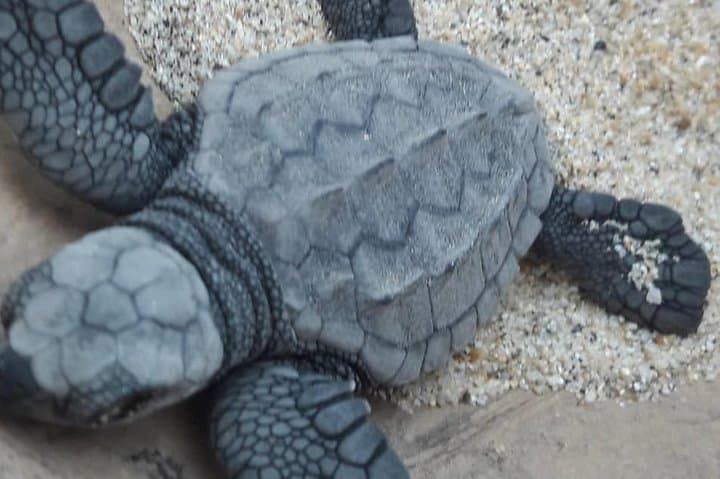

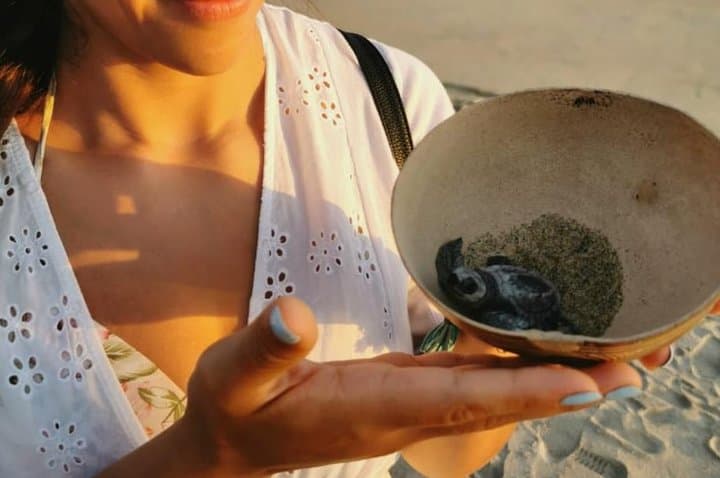
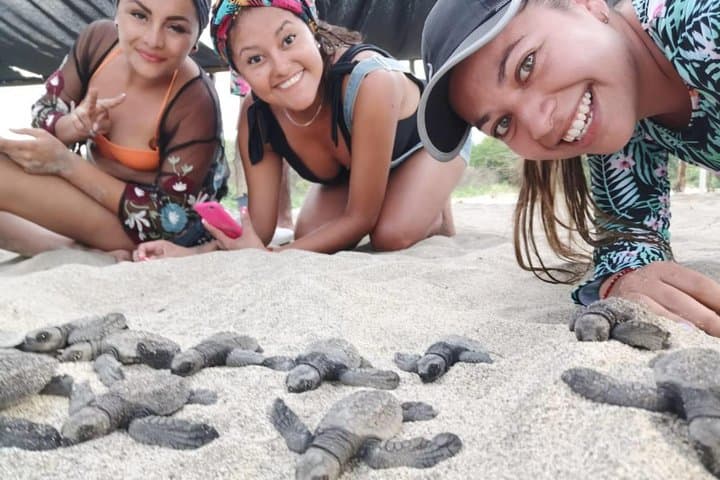
Sand cools underfoot and the Pacific pushes toward the shore, daring you to keep pace with a small procession of hatchlings. At sunset on Puerto Escondido’s beaches the guides lay out soft paths of sand and shadow so leatherback and olive ridley hatchlings can find the sea.
Sand cools underfoot and the Pacific pushes toward the shore, daring you to keep pace with a small procession of hatchlings. At sunset on Puerto Escondido’s beaches the guides lay out soft paths of sand and shadow so leatherback and olive ridley hatchlings can find the sea.
This is both a moment and a practice rooted in local conservation. Oaxaca’s Pacific coast has hosted turtle nesting for generations; communities and NGOs monitor nests, relocate vulnerable clutches, and time public releases to minimize disturbance. The beaches here are volcanic in origin—dark sand and broad ridgelines formed by ancient lava flows—so nighttime temperature, tides, and wind all influence hatchling emergence.
Culturally, releases are community events: local guides explain why certain nests are protected and how light pollution or stray animals disrupt hatchlings’ instincts. Geology and ocean currents take on agency during the release—waves that seem to nudge the little turtles, the surf that tests their first strokes.
Practically, expect a guided 2‑hour program starting near sunset, brief orientation, short walk to the release site, and supervised liberation of hatchlings. Guides handle the animals; guests observe and may assist under instruction. Wear low‑profile dark clothing, leave bright lights and flash off, and be prepared to walk on soft sand. Photography is typically allowed but without flash. The experience is low‑impact and suited to families and most fitness levels; still, respect the guides’ rules—these events prioritize animal welfare above souvenir photos.