THE ADVENTURE COLLECTIVE® · Independent discovery and booking for outdoor travel

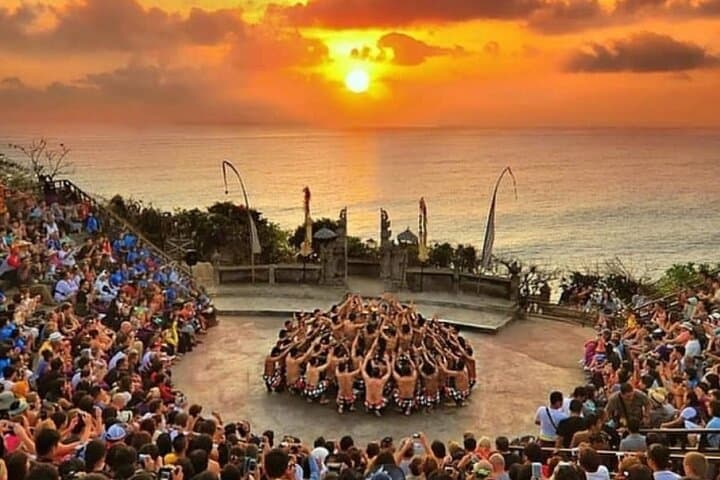
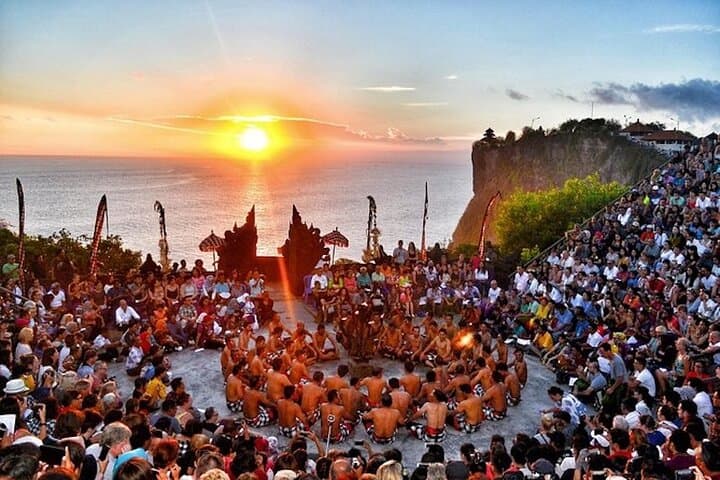
Watch the sun drop behind the Indian Ocean from the cliffs of Uluwatu Temple, then stay for the trance-like kecak fire dance. This accessible half-day experience combines dramatic coastal geology, living culture, and practical logistics for an efficient evening on Bali’s south coast.
Watch the sun drop behind the Indian Ocean from the cliffs of Uluwatu Temple, then stay for the trance-like kecak fire dance. This accessible half-day experience combines dramatic coastal geology, living culture, and practical logistics for an efficient evening on Bali’s south coast.
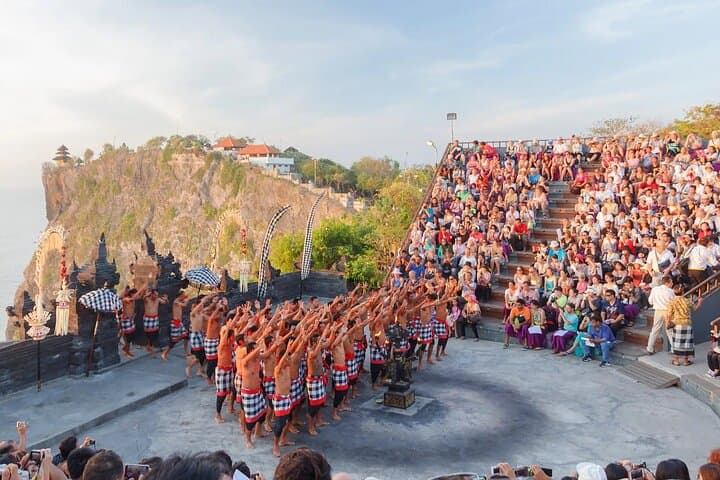
You arrive on a cliff rim where wind and spray mark the edge of the island, waves folding into the rocks far below. The limestone promontory that holds Pura Luhur Uluwatu throws a clean silhouette against the sinking sun; monkeys move like small shadows at the temple’s edge while vendors and visitors position themselves for the moment the sky turns.
Verified experiences and guided adventures in the surrounding area.
Operated by Bali Trekking Tour · Uluwatu, Bali
You arrive on a cliff rim where wind and spray mark the edge of the island, waves folding into the rocks far below. The limestone promontory that holds Pura Luhur Uluwatu throws a clean silhouette against the sinking sun; monkeys move like small shadows at the temple’s edge while vendors and visitors position themselves for the moment the sky turns.
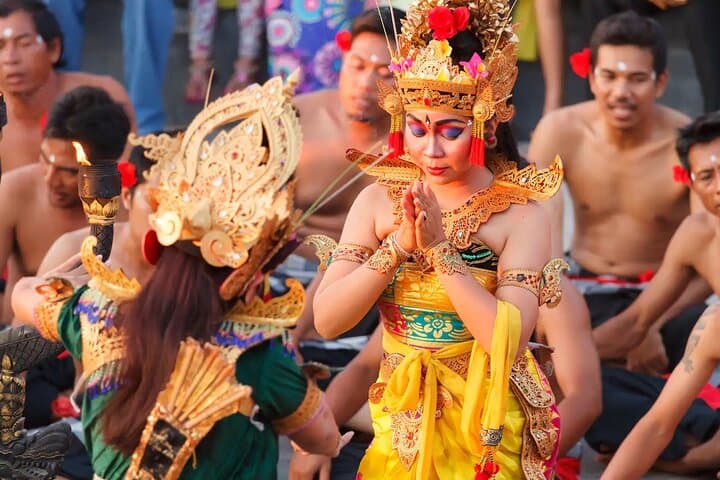
Uluwatu is one of Bali’s directional sea temples, long held as a guardian against forces from the ocean. The cliff itself is coralline limestone carved by waves and weather over millennia, creating sheer faces and hidden coves. Culturally, the evening is doubled: first the sunset view, then the kecak — a vocal, non-instrumental performance that retells episodes of the Ramayana with human chorus and dramatic fire dancers. The chant-driven kecak is intimate and immediate, an island theatrical form adapted for public audiences but rooted in ritual.
Practically, this is a short, accessible yet sensory-rich half-day outing. Expect steep temple steps, uneven stone paths, and crowds at peak hours. Dress respectfully — sarongs or cover-ups are often required — and keep valuables closed up; monkeys are bold. Plan transport ahead; most tours include air-conditioned pickup. Bring water, sun protection, and a small light layer for the breeze after sunset. Arrive early for clear views, settle into the terrace before the performance, and leave a little extra time for slow return traffic. This combination of landscape, culture, and live performance makes Uluwatu a compact, memorable evening on Bali’s southern cliffs.
moderate.
4–6 hours.
Light to moderate fitness; able to climb stairs and walk short uneven sections
Most tours include private air-conditioned pickup and drop-off from hotels in the south Bali corridor; confirm pickup point and time when booking.
Many operators include the temple entrance fee and kecak performance ticket, but verify with your booking to avoid surprises.
Children may enjoy the visuals but be cautious around cliffs and monkeys; pregnant travelers are often advised against intense activity and should check the tour's specific guidance.
Photography is usually allowed but avoid flash during the performance and be respectful of performers and other guests.
Pura Luhur Uluwatu is one of Bali’s key directional sea temples, historically sited to guard the island’s southern approaches and associated with long-standing Balinese ritual practice.
The cliff ecosystems are sensitive to foot traffic and litter; visitors should avoid feeding monkeys, stay on marked paths, and carry out waste to reduce erosion and wildlife disturbance.
Bali Trekking Tour operates guided outdoor trips and adventures with an emphasis on safety, stewardship, and memorable experiences.
You arrive on a cliff rim where wind and spray mark the edge of the island, waves folding into the rocks far below. The limestone promontory that holds Pura Luhur Uluwatu throws a clean silhouette against the sinking sun; monkeys move like small shadows at the temple’s edge while vendors and visitors position themselves for the moment the sky turns.
You arrive on a cliff rim where wind and spray mark the edge of the island, waves folding into the rocks far below. The limestone promontory that holds Pura Luhur Uluwatu throws a clean silhouette against the sinking sun; monkeys move like small shadows at the temple’s edge while vendors and visitors position themselves for the moment the sky turns.
Uluwatu is one of Bali’s directional sea temples, long held as a guardian against forces from the ocean. The cliff itself is coralline limestone carved by waves and weather over millennia, creating sheer faces and hidden coves. Culturally, the evening is doubled: first the sunset view, then the kecak — a vocal, non-instrumental performance that retells episodes of the Ramayana with human chorus and dramatic fire dancers. The chant-driven kecak is intimate and immediate, an island theatrical form adapted for public audiences but rooted in ritual.
Practically, this is a short, accessible yet sensory-rich half-day outing. Expect steep temple steps, uneven stone paths, and crowds at peak hours. Dress respectfully — sarongs or cover-ups are often required — and keep valuables closed up; monkeys are bold. Plan transport ahead; most tours include air-conditioned pickup. Bring water, sun protection, and a small light layer for the breeze after sunset. Arrive early for clear views, settle into the terrace before the performance, and leave a little extra time for slow return traffic. This combination of landscape, culture, and live performance makes Uluwatu a compact, memorable evening on Bali’s southern cliffs.