THE ADVENTURE COLLECTIVE® · Independent discovery and booking for outdoor travel

Spend a full day exploring two very different stretches of the Great Wall—the ruined, dramatic passes of Gubeikou and the photogenic, sunset-facing towers of Jinshanling—on a private guided tour from Beijing. Expect a mix of short climbs, uneven stone steps, and unforgettable ridge-top views.
Spend a full day exploring two very different stretches of the Great Wall—the ruined, dramatic passes of Gubeikou and the photogenic, sunset-facing towers of Jinshanling—on a private guided tour from Beijing. Expect a mix of short climbs, uneven stone steps, and unforgettable ridge-top views.
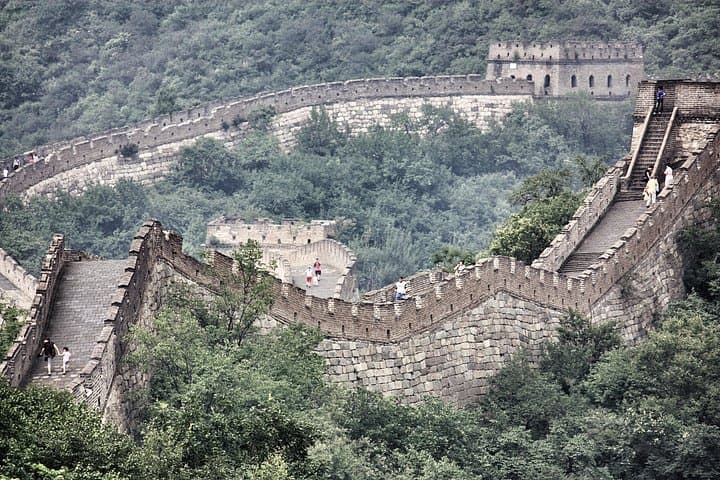
A bus hushes through farmland as the city skyline fades and the wall first appears, a serrated spine on the ridge. At Gubeikou you step out into a village-steeped opening: a short climb to a broken tower gives immediate perspective—crumbling stone, moss in seams, and a path that leads east toward General Tower where views tighten and the wall begins to stretch into distance.
Verified experiences and guided adventures in the surrounding area.
Operated by China Memory Trip · Luanping County, Hebei
A bus hushes through farmland as the city skyline fades and the wall first appears, a serrated spine on the ridge. At Gubeikou you step out into a village-steeped opening: a short climb to a broken tower gives immediate perspective—crumbling stone, moss in seams, and a path that leads east toward General Tower where views tighten and the wall begins to stretch into distance.
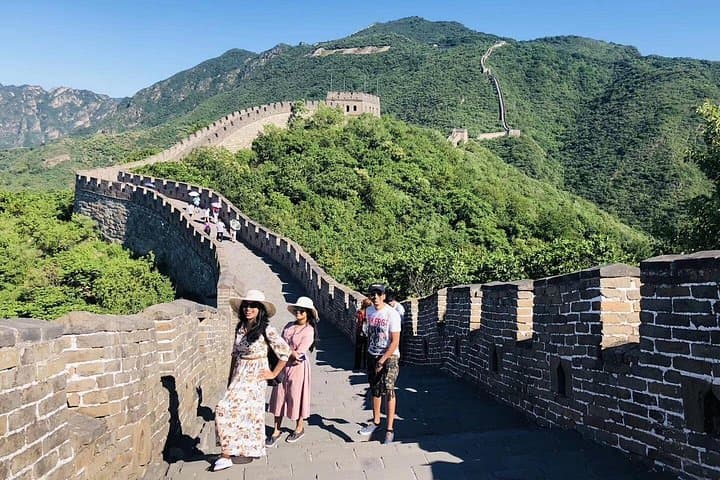
The route moves from a semi-ruined, tactical section at Gubeikou into the better-preserved Jinshanling, a Ming-era construction of brick and stone punctuated by watchtowers. Geology here is granite and schist outcrops with the wall following a high ridge; expect uneven, worn steps and restored sections with regular parapets. This landscape was shaped by military needs and mountain contours—towers sited to command passes and the ridgeline, the Wall itself a centuries-old defensive road.
Culturally, you’re walking on a Ming-era frontline that witnessed patrols and signal fires; locals in nearby counties have farmed valleys beneath these ramparts for generations. The tour times the ascent for sunset at Jinshanling—light slides along crenellations, and the stone seems to push the horizon forward.
Practical guidance: this is a full-day excursion from Beijing (about 2–3 hours drive each way depending on traffic) with roughly 1–3 km of walking on the Wall at each stop, moderate elevation changes and steep stone steps. Wear sturdy shoes, bring 1–2 liters of water, sun protection, and a jacket for cooler evening winds. Photography opportunities are excellent, but sections can be windy and uneven—move deliberately and leave time for transport back to the city.
moderate.
9 hours (full day, including transport).
Suitable for hikers in good general health who can walk several hours, manage steep stone steps and short climbs.
Typical round-trip driving time is about 4–6 hours total (2–3 hours each way) depending on traffic; the tour itself is a full-day outing.
The tour is labeled suitable for all fitness levels, but the Wall has steep, irregular steps—consider mobility limitations and bring support for those who need it.
Yes, the tour price includes admission to the specified Great Wall sections as noted in the itinerary.
Yes—the itinerary includes guided walks at Gubeikou and a 1–2 km sunset walk at Jinshanling with multiple photo stops; pacing is moderate to allow time for photography.
Jinshanling and Gubeikou are Ming-dynasty stretches of the Great Wall, historically important for controlling mountain passes and sending signal fires between towers.
These sections combine restored and unrestored masonry; visitors are asked not to remove stones or graffiti, and to stick to established paths to limit erosion and protect archaeology.
China Memory Trip operates guided outdoor trips and adventures with an emphasis on safety, stewardship, and memorable experiences.

A bus hushes through farmland as the city skyline fades and the wall first appears, a serrated spine on the ridge. At Gubeikou you step out into a village-steeped opening: a short climb to a broken tower gives immediate perspective—crumbling stone, moss in seams, and a path that leads east toward General Tower where views tighten and the wall begins to stretch into distance.
A bus hushes through farmland as the city skyline fades and the wall first appears, a serrated spine on the ridge. At Gubeikou you step out into a village-steeped opening: a short climb to a broken tower gives immediate perspective—crumbling stone, moss in seams, and a path that leads east toward General Tower where views tighten and the wall begins to stretch into distance.
The route moves from a semi-ruined, tactical section at Gubeikou into the better-preserved Jinshanling, a Ming-era construction of brick and stone punctuated by watchtowers. Geology here is granite and schist outcrops with the wall following a high ridge; expect uneven, worn steps and restored sections with regular parapets. This landscape was shaped by military needs and mountain contours—towers sited to command passes and the ridgeline, the Wall itself a centuries-old defensive road.
Culturally, you’re walking on a Ming-era frontline that witnessed patrols and signal fires; locals in nearby counties have farmed valleys beneath these ramparts for generations. The tour times the ascent for sunset at Jinshanling—light slides along crenellations, and the stone seems to push the horizon forward.
Practical guidance: this is a full-day excursion from Beijing (about 2–3 hours drive each way depending on traffic) with roughly 1–3 km of walking on the Wall at each stop, moderate elevation changes and steep stone steps. Wear sturdy shoes, bring 1–2 liters of water, sun protection, and a jacket for cooler evening winds. Photography opportunities are excellent, but sections can be windy and uneven—move deliberately and leave time for transport back to the city.