THE ADVENTURE COLLECTIVE® · Independent discovery and booking for outdoor travel

Escape Chania for a private late-afternoon transfer to Falasarna Beach, where clear water, pale sand, and an included taverna dinner frame a tranquil sunset. Ideal for swimmers and diners seeking an easy, scenic evening on Crete's west coast.
Escape Chania for a private late-afternoon transfer to Falasarna Beach, where clear water, pale sand, and an included taverna dinner frame a tranquil sunset. Ideal for swimmers and diners seeking an easy, scenic evening on Crete's west coast.
The late-afternoon drive from Chania eases the city out of the window and replaces it with rolling scrub, limestone ridges, and the widening blue of the Mediterranean. At Falasarna the sand is cool and pale; the sea dares you to step in, its clarity revealing a shifting scatter of stones and seagrass near the shallows. As the sun drops, the shoreline loosens its light into bands of gold and rose, and the wind whispers through low tamarisk and thyme.
Verified experiences and guided adventures in the surrounding area.
Operated by MOYSIDIS TRAVEL · Kissamos, Crete
The late-afternoon drive from Chania eases the city out of the window and replaces it with rolling scrub, limestone ridges, and the widening blue of the Mediterranean. At Falasarna the sand is cool and pale; the sea dares you to step in, its clarity revealing a shifting scatter of stones and seagrass near the shallows. As the sun drops, the shoreline loosens its light into bands of gold and rose, and the wind whispers through low tamarisk and thyme.
Falassarna (ancient Phalasarna) was a significant Hellenistic harbor — you can still find stone ruins and evidence of long-ago trades along nearby headlands. The beach itself rests on Pleistocene sands and nearby cliffs of compacted marine deposits; currents and waves sculpt broad bays here that favour long, shallow swims. Local tavernas serve Cretan staples: grilled fish, dakos, and cheeses made from island sheep and goats, reflecting an agrarian food culture that’s simple and seasonal.
Practical guidance: tours typically depart mid-afternoon from Chania and return after sunset, lasting about 4–5 hours. Expect roughly a 45-minute transfer each way on paved country roads. Bring reef-friendly sunscreen, a light wind layer for the coast, and water shoes if you plan to snorkel over rocky shelves. Umbrellas and bottled spring water are often provided on private tours, but pack a small dry bag for phone and keys. Timing is everything — arrive early enough to stake a spot on the sand and stay through the color change. With a private driver and taverna dinner included, this is a low-effort way to experience one of Crete’s most striking west-coast beaches.
easy.
4–5 hours.
Suitable for most fitness levels; requires only short periods of walking on sand and steps at tavernas
The drive to Falasarna takes about 40–50 minutes each way from central Chania, depending on traffic and exact pickup location.
Yes — the tour notes infant seats are available and the activity is rated easy; inform the operator when booking so they can provide appropriate seating.
On private Falasarna tours umbrellas, towels, and beach mats are commonly included, but confirm with the operator before departure.
Tours typically cancel in bad weather for safety and will offer refund or rescheduling; check the 24-hour cancellation policy for specifics.
Falassarna was an important Hellenistic port and archaeological remains near the headlands reflect its maritime past.
Dune vegetation and seagrass beds are fragile; follow paths, avoid trampling dunes, and use biodegradable products to protect marine habitats.
MOYSIDIS TRAVEL operates guided outdoor trips and adventures with an emphasis on safety, stewardship, and memorable experiences.


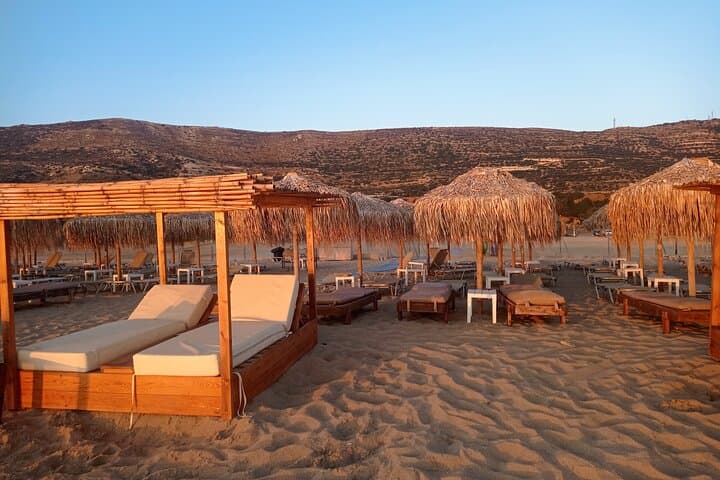
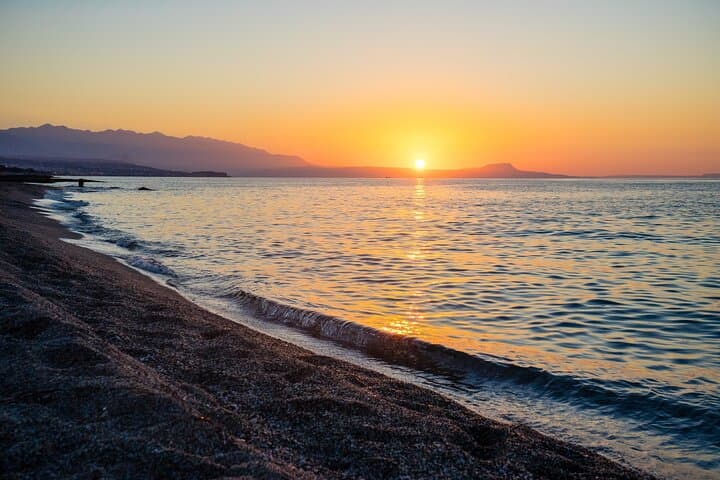
The late-afternoon drive from Chania eases the city out of the window and replaces it with rolling scrub, limestone ridges, and the widening blue of the Mediterranean. At Falasarna the sand is cool and pale; the sea dares you to step in, its clarity revealing a shifting scatter of stones and seagrass near the shallows. As the sun drops, the shoreline loosens its light into bands of gold and rose, and the wind whispers through low tamarisk and thyme.
The late-afternoon drive from Chania eases the city out of the window and replaces it with rolling scrub, limestone ridges, and the widening blue of the Mediterranean. At Falasarna the sand is cool and pale; the sea dares you to step in, its clarity revealing a shifting scatter of stones and seagrass near the shallows. As the sun drops, the shoreline loosens its light into bands of gold and rose, and the wind whispers through low tamarisk and thyme.
Falassarna (ancient Phalasarna) was a significant Hellenistic harbor — you can still find stone ruins and evidence of long-ago trades along nearby headlands. The beach itself rests on Pleistocene sands and nearby cliffs of compacted marine deposits; currents and waves sculpt broad bays here that favour long, shallow swims. Local tavernas serve Cretan staples: grilled fish, dakos, and cheeses made from island sheep and goats, reflecting an agrarian food culture that’s simple and seasonal.
Practical guidance: tours typically depart mid-afternoon from Chania and return after sunset, lasting about 4–5 hours. Expect roughly a 45-minute transfer each way on paved country roads. Bring reef-friendly sunscreen, a light wind layer for the coast, and water shoes if you plan to snorkel over rocky shelves. Umbrellas and bottled spring water are often provided on private tours, but pack a small dry bag for phone and keys. Timing is everything — arrive early enough to stake a spot on the sand and stay through the color change. With a private driver and taverna dinner included, this is a low-effort way to experience one of Crete’s most striking west-coast beaches.