THE ADVENTURE COLLECTIVE® · Independent discovery and booking for outdoor travel

Watch the sun fall behind Etna’s serrated skyline on a private evening trip to the Silvestri craters. This accessible 5.5-hour tour combines close volcanic scenery, local geology briefings and the quiet spectacle of sunset from 1,900 meters.
Watch the sun fall behind Etna’s serrated skyline on a private evening trip to the Silvestri craters. This accessible 5.5-hour tour combines close volcanic scenery, local geology briefings and the quiet spectacle of sunset from 1,900 meters.
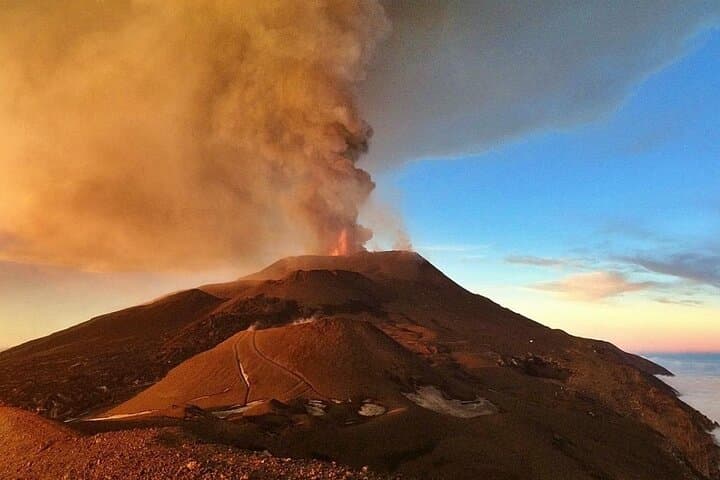
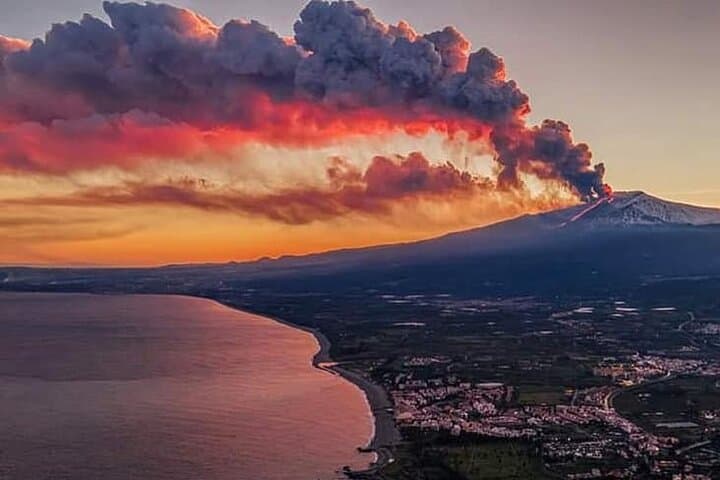
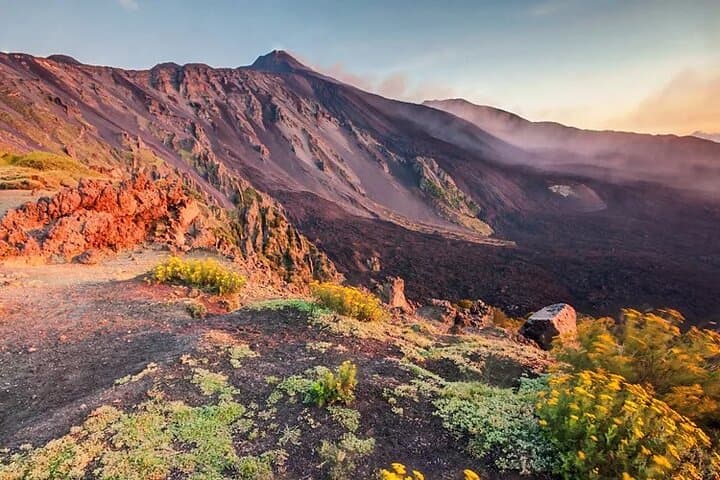
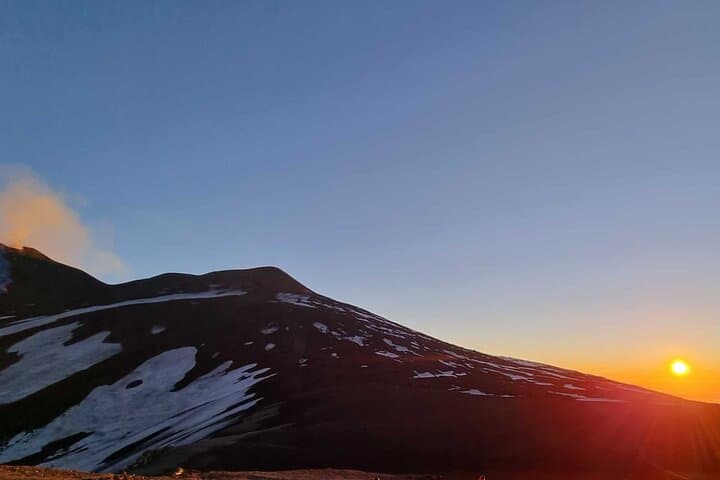
You step out of the van as late daylight slants across black lava and scrub; Etna’s slopes breathe warm air that cools fast as the sun drops. The guide points up toward the Silvestri craters at about 1,900 m, a ring of hardened lava mouths carved in recent centuries, and the summit silhouette sharpens against a sky that will soon go copper.
Verified experiences and guided adventures in the surrounding area.
Operated by Travel In Sicily Tour Operator · Catania, Sicily
You step out of the van as late daylight slants across black lava and scrub; Etna’s slopes breathe warm air that cools fast as the sun drops. The guide points up toward the Silvestri craters at about 1,900 m, a ring of hardened lava mouths carved in recent centuries, and the summit silhouette sharpens against a sky that will soon go copper.
Mount Etna is Europe’s highest active volcano, a landscape written by repeated eruptions and shaped by basalt flows, ash layers and fertile volcanic soils. The Silvestri craters are young scars on Etna’s flank—accessible, safe for casual trekking, and an ideal classroom for a guide to explain the volcano’s cycles, local lava types and how communities like Nicolosi and Zafferana have adapted culturally and agriculturally to life on its slopes.
Culture here is pragmatic: vineyards and orchards cling to terraces while small towns serve strong coffee and chestnut pies. Geology is immediate—the ground underfoot alternates between sharp clinker and compacted lava that resists erosion.
Practically: this private, 5.5-hour excursion includes hotel pickup and a guided 20–40 minute walk around the Silvestri craters at ~1,900 m. Temperatures drop rapidly after sunset; layers, closed trekking shoes and a headlamp or flashlight are mandatory. Expect uneven terrain and short uphill stretches rather than technical climbing. Bring water, a warm layer and a camera for sunset panoramas. The experience is accessible to most fitness levels but respect the guide’s safety briefings and stay on designated paths to protect fragile lava soils.
moderate.
5–6 hours.
Suitable for most people with basic fitness—short uphill walks and uneven ground at higher elevation.
The walk to the Silvestri craters is short (20–40 minutes) but on uneven ground; basic mobility and stamina for gentle uphill is sufficient.
Yes—closed trekking or gym shoes are mandatory for safety; open-toed footwear is not permitted.
Most organized sunset tours visit lower Silvestri craters where past lava flows are visible; active lava is unpredictable and usually confined to summit eruptions or distant flows.
Yes—private transportation from pickup locations in Catania area is included, check your booking for exact pickup times and points.
Etna’s eruptive record spans millennia and has shaped local settlements and agriculture; the area is protected under Parco dell'Etna policies that balance tourism and tradition.
Stay on marked trails to prevent erosion of fragile volcanic soils; the park restricts rock collection and off-path driving to protect habitats and archaeological features.
Travel In Sicily Tour Operator operates guided outdoor trips and adventures with an emphasis on safety, stewardship, and memorable experiences.
You step out of the van as late daylight slants across black lava and scrub; Etna’s slopes breathe warm air that cools fast as the sun drops. The guide points up toward the Silvestri craters at about 1,900 m, a ring of hardened lava mouths carved in recent centuries, and the summit silhouette sharpens against a sky that will soon go copper.
You step out of the van as late daylight slants across black lava and scrub; Etna’s slopes breathe warm air that cools fast as the sun drops. The guide points up toward the Silvestri craters at about 1,900 m, a ring of hardened lava mouths carved in recent centuries, and the summit silhouette sharpens against a sky that will soon go copper.
Mount Etna is Europe’s highest active volcano, a landscape written by repeated eruptions and shaped by basalt flows, ash layers and fertile volcanic soils. The Silvestri craters are young scars on Etna’s flank—accessible, safe for casual trekking, and an ideal classroom for a guide to explain the volcano’s cycles, local lava types and how communities like Nicolosi and Zafferana have adapted culturally and agriculturally to life on its slopes.
Culture here is pragmatic: vineyards and orchards cling to terraces while small towns serve strong coffee and chestnut pies. Geology is immediate—the ground underfoot alternates between sharp clinker and compacted lava that resists erosion.
Practically: this private, 5.5-hour excursion includes hotel pickup and a guided 20–40 minute walk around the Silvestri craters at ~1,900 m. Temperatures drop rapidly after sunset; layers, closed trekking shoes and a headlamp or flashlight are mandatory. Expect uneven terrain and short uphill stretches rather than technical climbing. Bring water, a warm layer and a camera for sunset panoramas. The experience is accessible to most fitness levels but respect the guide’s safety briefings and stay on designated paths to protect fragile lava soils.