THE ADVENTURE COLLECTIVE® · Independent discovery and booking for outdoor travel

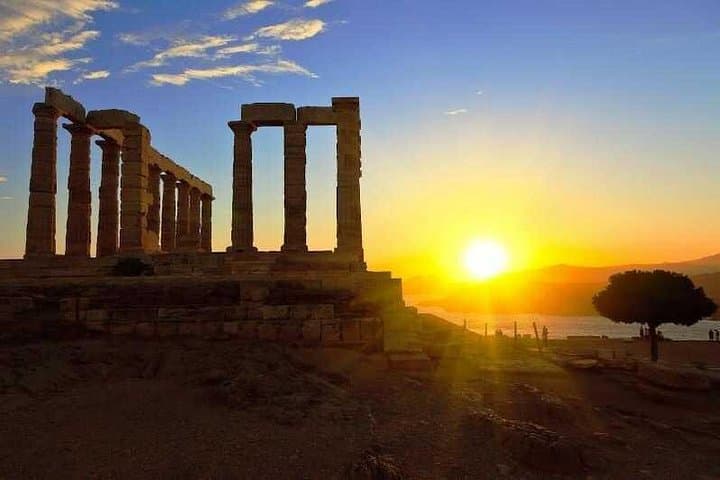
Drive the Attica Riviera to Cape Sounion and watch the Temple of Poseidon rise from the headland as the sun lowers over the Saronic Gulf. This private transfer pairs short, dramatic walks with coastal scenery and local insight.
Drive the Attica Riviera to Cape Sounion and watch the Temple of Poseidon rise from the headland as the sun lowers over the Saronic Gulf. This private transfer pairs short, dramatic walks with coastal scenery and local insight.
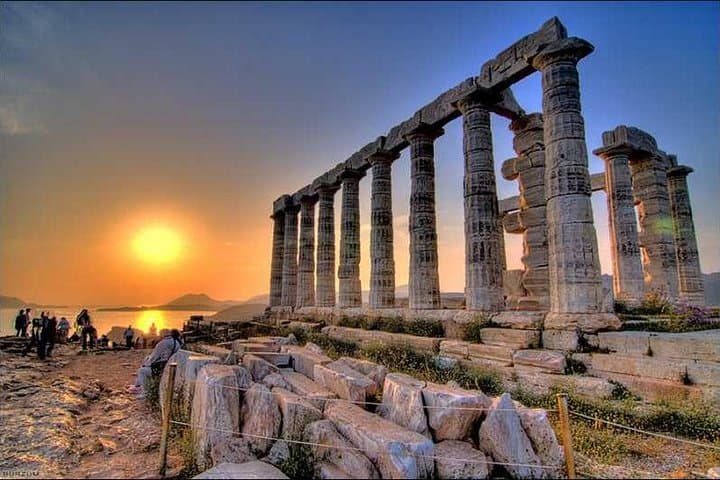
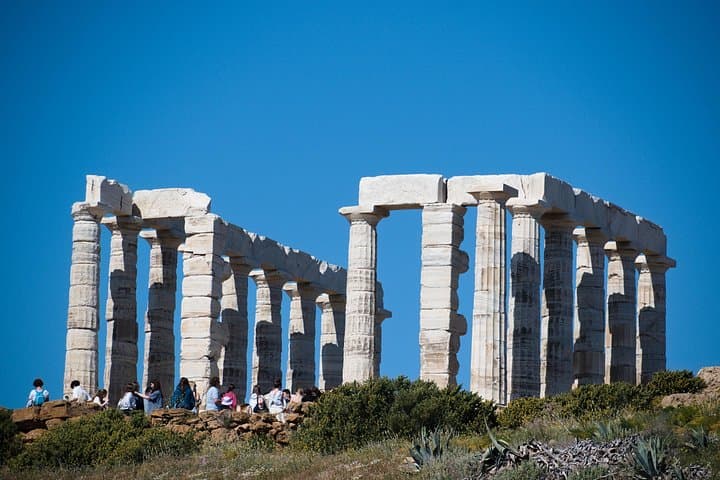
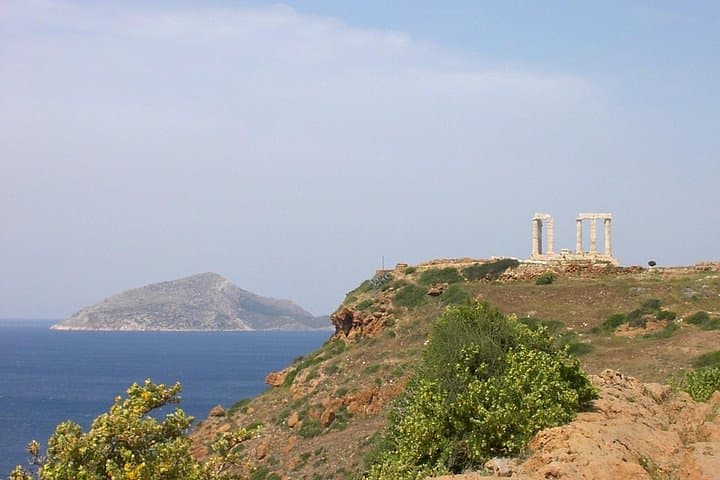
The road from Athens drops into a bright Mediterranean light; the coastline unfurls and the sea pulls your gaze westward. As the minivan hums along the Attica Riviera, limestone cliffs and low scrub slide past until the Temple of Poseidon appears, white columns cut against an open horizon. The wind off the Saronic Gulf dares you to step closer.
Verified experiences and guided adventures in the surrounding area.
Operated by Be my Guest Transfers and Tours · Sounio, Attica
The road from Athens drops into a bright Mediterranean light; the coastline unfurls and the sea pulls your gaze westward. As the minivan hums along the Attica Riviera, limestone cliffs and low scrub slide past until the Temple of Poseidon appears, white columns cut against an open horizon. The wind off the Saronic Gulf dares you to step closer.
This stretch of coast carries Bronze Age and Classical echoes: Poseidon's cliffside temple was raised in 444–440 B.C. during Athens' Golden Age, its Doric pillars watching ships cross the sea. Geologically, the promontory is late Miocene limestone carved by waves and wind; quarries nearby supplied marble for the mainland. Local villages like Lavrio grew around mining and fishing, giving the area a plain-seafafarer character.
Expect a comfortable, private transfer in an air-conditioned vehicle, with short walks on uneven stone at the archaeological site. Timing matters: early evening brings the best light and cooler temperatures; sunset transforms the pillars into a dramatic silhouette and can reveal dolphins offshore. Respect site boundaries—archaeology is fragile—and bring layered clothing: afternoon warmth can turn to brisk coastal wind after sundown.
Practical tips: wear sturdy shoes for the temple's stone surfaces, carry water even on short visits, and plan for about 3–4 hours including driving time from central Athens. If you want photographs without crowds, aim to arrive at least 30 minutes before sunset. Drivers often offer local commentary en route, so use that time to ask about nearby beaches, tavernas, or the little port town of Lavrio for a post-visit meal.
easy.
3–4 hours.
Minimal fitness required; involves short walks on uneven stone and a few steps at the site.
No; the tour provides transportation and on-site time but entrance fees to the archaeological site are typically paid separately.
Pickups are arranged from Athens accommodations—confirm your exact pickup point at booking and allow time for city traffic.
Yes—specialized infant seats are available on request; indicate child age when booking to ensure the correct seat.
Sunset is the most popular and dramatic time; for fewer people and cooler temperatures, schedule arrival 30–45 minutes before sunset.
The Temple of Poseidon was built in 444–440 B.C. on a limestone promontory that served as a navigational landmark for ancient sailors; Lord Byron famously left graffiti on one of the columns.
The site is archaeologically sensitive—stay on marked paths and avoid touching ancient stone; coastal waters are part of broader marine conservation efforts, so minimize litter and disturbance.
Be my Guest Transfers and Tours operates guided outdoor trips and adventures with an emphasis on safety, stewardship, and memorable experiences.
The road from Athens drops into a bright Mediterranean light; the coastline unfurls and the sea pulls your gaze westward. As the minivan hums along the Attica Riviera, limestone cliffs and low scrub slide past until the Temple of Poseidon appears, white columns cut against an open horizon. The wind off the Saronic Gulf dares you to step closer.
The road from Athens drops into a bright Mediterranean light; the coastline unfurls and the sea pulls your gaze westward. As the minivan hums along the Attica Riviera, limestone cliffs and low scrub slide past until the Temple of Poseidon appears, white columns cut against an open horizon. The wind off the Saronic Gulf dares you to step closer.
This stretch of coast carries Bronze Age and Classical echoes: Poseidon's cliffside temple was raised in 444–440 B.C. during Athens' Golden Age, its Doric pillars watching ships cross the sea. Geologically, the promontory is late Miocene limestone carved by waves and wind; quarries nearby supplied marble for the mainland. Local villages like Lavrio grew around mining and fishing, giving the area a plain-seafafarer character.
Expect a comfortable, private transfer in an air-conditioned vehicle, with short walks on uneven stone at the archaeological site. Timing matters: early evening brings the best light and cooler temperatures; sunset transforms the pillars into a dramatic silhouette and can reveal dolphins offshore. Respect site boundaries—archaeology is fragile—and bring layered clothing: afternoon warmth can turn to brisk coastal wind after sundown.
Practical tips: wear sturdy shoes for the temple's stone surfaces, carry water even on short visits, and plan for about 3–4 hours including driving time from central Athens. If you want photographs without crowds, aim to arrive at least 30 minutes before sunset. Drivers often offer local commentary en route, so use that time to ask about nearby beaches, tavernas, or the little port town of Lavrio for a post-visit meal.