THE ADVENTURE COLLECTIVE® · Independent discovery and booking for outdoor travel

Drive the Athenian Riviera to Cape Sounion for an intimate private tour of the Temple of Poseidon and a thermal stop at Lake Vouliagmeni. Time the itinerary for sunset to see the temple framed against a glowing Saronic Gulf.
Drive the Athenian Riviera to Cape Sounion for an intimate private tour of the Temple of Poseidon and a thermal stop at Lake Vouliagmeni. Time the itinerary for sunset to see the temple framed against a glowing Saronic Gulf.
A drive along the Athenian Riviera loosens the city’s edges — beachfront bars and pale sand slide past the window while the sea keeps time. By late afternoon the road narrows toward the southern tip of Attica and the Poseidon temple begins to sit like an old watchman over the Saronic Gulf. On arrival, visitors step from a luxury vehicle onto a limestone promontory where wind and sea shape the view; the columns frame islands and a horizon that deepens to copper at dusk.
Verified experiences and guided adventures in the surrounding area.
Operated by VipTransferAthens · Sounion, Attica
A drive along the Athenian Riviera loosens the city’s edges — beachfront bars and pale sand slide past the window while the sea keeps time. By late afternoon the road narrows toward the southern tip of Attica and the Poseidon temple begins to sit like an old watchman over the Saronic Gulf. On arrival, visitors step from a luxury vehicle onto a limestone promontory where wind and sea shape the view; the columns frame islands and a horizon that deepens to copper at dusk.
The temple itself dates to 444–440 BCE, built in Athens’ Golden Age to mark maritime power and honor the god of the sea. Geologically, the cape is a mix of porous limestone and coastal rock ledges that have resisted the sea’s advance. Nearby Lake Vouliagmeni, a brackish thermal basin fed by subterranean springs, offers a contrasting, still water experience known locally for gentle warmth and mineral-rich waters.
Culturally, Sounion has long been a waypoint for sailors and Athenians seeking ritual and view; modern tavernas continue that tradition with seafood and sunset plates. Practical details: plan 5–6 hours for pick-up, a 1–1.5 hour stop at Vouliagmeni, and 2–3 hours at Sounion to time the light. Wear stable shoes for uneven rock and steps, bring sun protection, and expect coastal wind after sundown.
The private format means flexible timing and stops; visitors should carry ID, a payment card, and be ready to move between shaded car and exposed archaeological site. Respect fenced areas — erosion and preservation efforts restrict close contact with some column bases.
easy.
5–6 hours.
Light mobility is sufficient; includes short walks on uneven surfaces and steps at archaeological sites
Admission tickets are not included in this tour price; visitors can buy tickets onsite or online where available.
Yes — the private format allows adjusting stop lengths, pick-up and drop-off points, and additional photo stops along the route.
The lake maintains warm, mineral-rich water year-round, but conditions and opening hours vary seasonally — check local advisories and bring swimwear if you plan to enter.
Access to the archaeological area involves uneven terrain and steps; while the roads and parking are accessible, full temple access is limited for wheelchairs.
The Temple of Poseidon was constructed c. 444–440 BCE during the Athenian Golden Age as a coastal sanctuary marking maritime dominance.
Erosion, visitor foot traffic, and coastal weather stress the site; stick to marked paths, avoid touching exposed marble, and support local conservation measures.
VipTransferAthens operates guided outdoor trips and adventures with an emphasis on safety, stewardship, and memorable experiences.
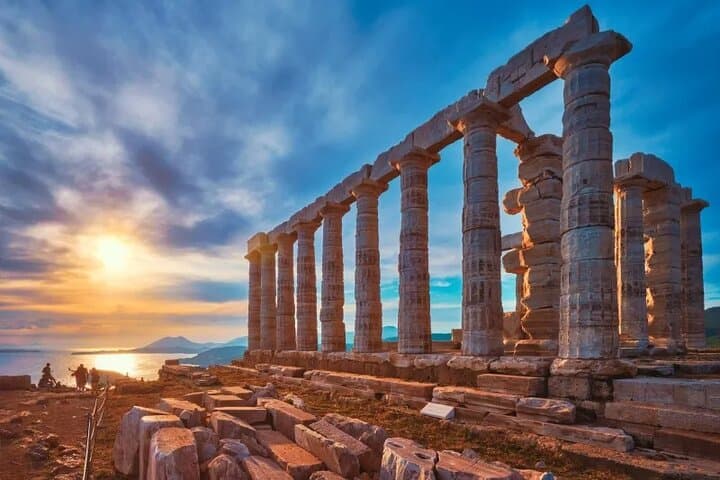
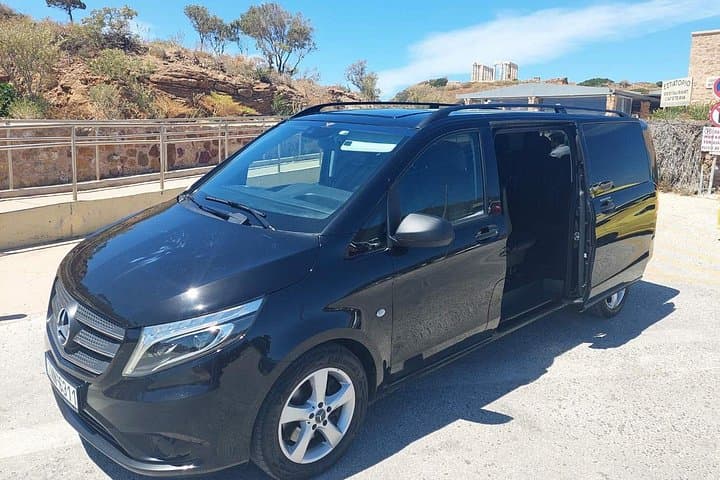
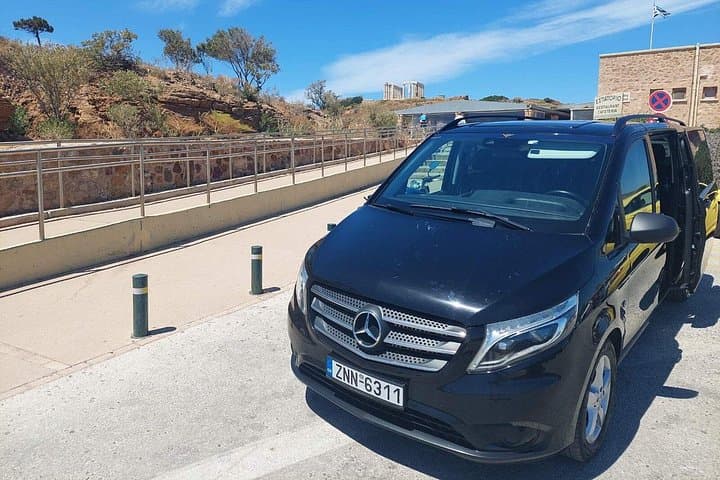
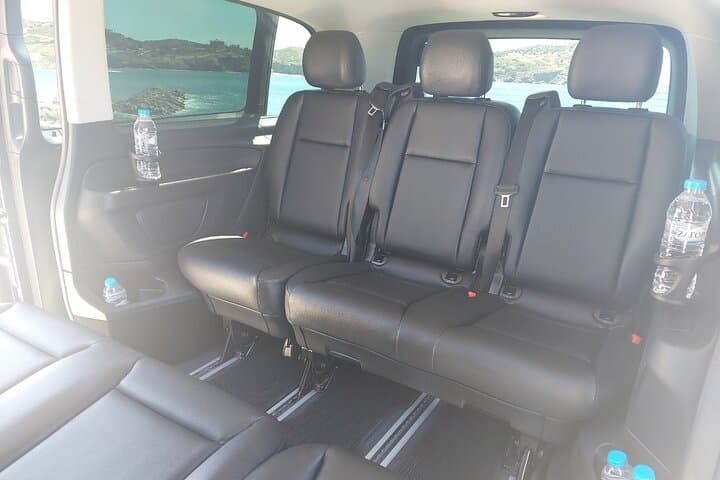
A drive along the Athenian Riviera loosens the city’s edges — beachfront bars and pale sand slide past the window while the sea keeps time. By late afternoon the road narrows toward the southern tip of Attica and the Poseidon temple begins to sit like an old watchman over the Saronic Gulf. On arrival, visitors step from a luxury vehicle onto a limestone promontory where wind and sea shape the view; the columns frame islands and a horizon that deepens to copper at dusk.
A drive along the Athenian Riviera loosens the city’s edges — beachfront bars and pale sand slide past the window while the sea keeps time. By late afternoon the road narrows toward the southern tip of Attica and the Poseidon temple begins to sit like an old watchman over the Saronic Gulf. On arrival, visitors step from a luxury vehicle onto a limestone promontory where wind and sea shape the view; the columns frame islands and a horizon that deepens to copper at dusk.
The temple itself dates to 444–440 BCE, built in Athens’ Golden Age to mark maritime power and honor the god of the sea. Geologically, the cape is a mix of porous limestone and coastal rock ledges that have resisted the sea’s advance. Nearby Lake Vouliagmeni, a brackish thermal basin fed by subterranean springs, offers a contrasting, still water experience known locally for gentle warmth and mineral-rich waters.
Culturally, Sounion has long been a waypoint for sailors and Athenians seeking ritual and view; modern tavernas continue that tradition with seafood and sunset plates. Practical details: plan 5–6 hours for pick-up, a 1–1.5 hour stop at Vouliagmeni, and 2–3 hours at Sounion to time the light. Wear stable shoes for uneven rock and steps, bring sun protection, and expect coastal wind after sundown.
The private format means flexible timing and stops; visitors should carry ID, a payment card, and be ready to move between shaded car and exposed archaeological site. Respect fenced areas — erosion and preservation efforts restrict close contact with some column bases.