THE ADVENTURE COLLECTIVE® · Independent discovery and booking for outdoor travel

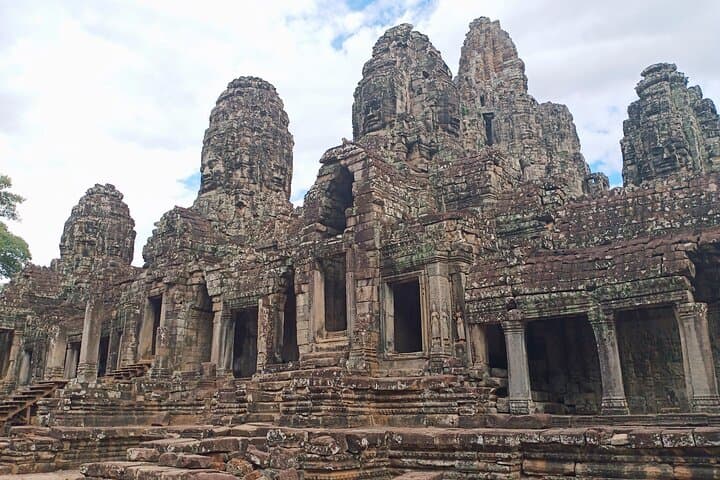
Experience Angkor’s major temples in an efficient evening loop from Siem Reap. This guided group tour pairs sunset light at Angkor Wat with the sculpted faces of Bayon and the jungle-wrapped corridors of Ta Prohm.
Experience Angkor’s major temples in an efficient evening loop from Siem Reap. This guided group tour pairs sunset light at Angkor Wat with the sculpted faces of Bayon and the jungle-wrapped corridors of Ta Prohm.
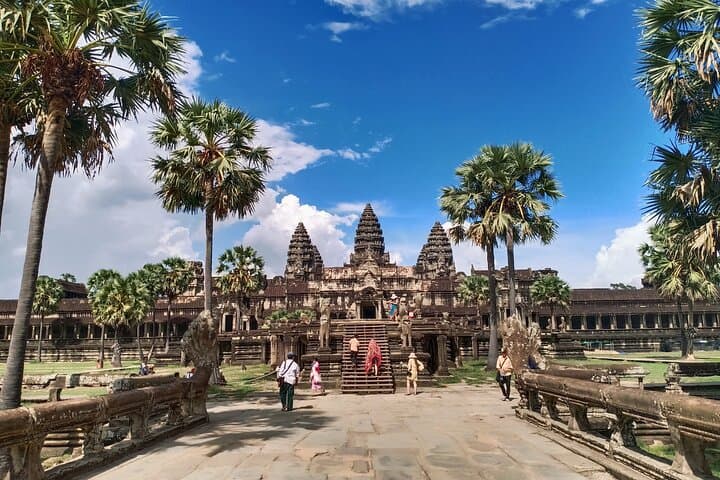
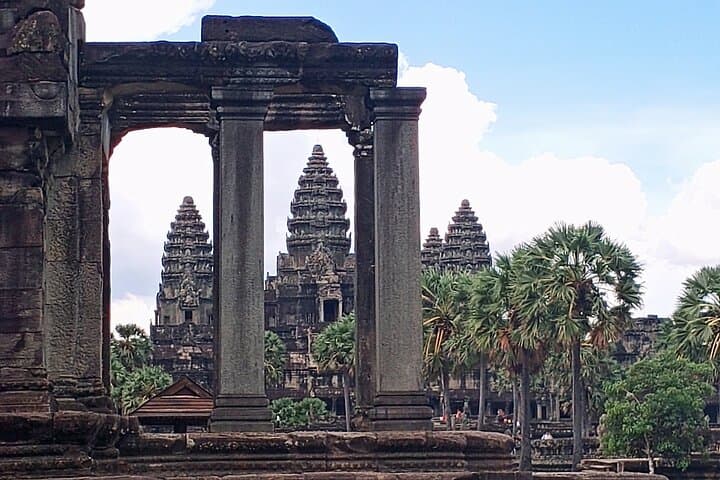
The sun slides low behind long stone galleries as your tuk-tuk threads the wide causeway toward Angkor Wat, silhouettes sharpening against a cooling sky. The air smells of dust, frangipani and river mud; shadows from banyan roots stretch like hands over carved lintels. This joining tour moves at a steady but relaxed pace, packing Angkor Wat, Angkor Thom (Bayon) and Ta Prohm into a 5–7 hour circuit with local commentary and hotel pickup.
Verified experiences and guided adventures in the surrounding area.
Operated by Tour Guide-Siem Reap · Siem Reap, Siem Reap Province
The sun slides low behind long stone galleries as your tuk-tuk threads the wide causeway toward Angkor Wat, silhouettes sharpening against a cooling sky. The air smells of dust, frangipani and river mud; shadows from banyan roots stretch like hands over carved lintels. This joining tour moves at a steady but relaxed pace, packing Angkor Wat, Angkor Thom (Bayon) and Ta Prohm into a 5–7 hour circuit with local commentary and hotel pickup.
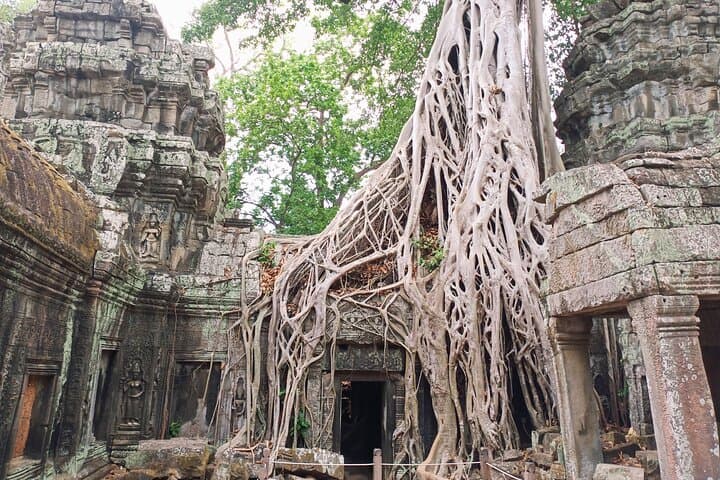
Angkor’s monuments were raised by the Khmer Empire between the 9th and 13th centuries—Angkor Wat an immense cosmological temple built in the 12th century, Angkor Thom a later city framed with stone faces, and Ta Prohm left intentionally with trees asserting themselves over galleries. Geologically the sandstone and laterite blocks weather unevenly here; moss and vines speed the decay but also create dramatic, living architecture. Local guides will link carving motifs to royal ritual, hydraulic engineering and Cambodia’s modern recovery.
Practically: expect uneven steps, steep platforms and dusty tracks—comfortable walking shoes are essential. The park is hot and often crowded at sunset; a group tour that provides water and a fixed itinerary simplifies logistics and reduces navigation stress. Respect temple etiquette (shoulders and knees covered, no climbing on fragile bas-reliefs), keep to marked paths, and bring a refillable bottle, sunscreen and a light rain layer in the wet season. Plan for photography windows at the west causeway and quieter moments at Ta Prohm’s jungle-claimed galleries; move deliberately and let the stones tell their history.
easy.
5–7 hours.
Suitable for travelers who can walk 3–5 miles over uneven ground and climb short steep steps.
No; entrance to the Angkor Archaeological Park requires a separate Angkor pass which you should purchase at the park entrance prior to the tour.
Yes—the joining tour includes pickup and drop-off from central Siem Reap hotels; confirm your pickup point when booking.
Not recommended for travelers with significant spinal, mobility, or cardiovascular concerns due to uneven ground, steps and standing periods.
The west causeway at Angkor Wat is the classic sunset viewpoint; Phnom Bakheng also offers views but fills up early—expect crowds and limited time to shoot.
Angkor was the seat of the Khmer Empire (9th–15th centuries); Angkor Wat was built in the 12th century under King Suryavarman II and later sites reflect Jayavarman VII’s Buddhist influence.
Heavy visitation stresses fragile sandstone and artworks—stick to marked paths, avoid touching carvings, and use refillable bottles to reduce plastic waste.
Tour Guide-Siem Reap operates guided outdoor trips and adventures with an emphasis on safety, stewardship, and memorable experiences.
The sun slides low behind long stone galleries as your tuk-tuk threads the wide causeway toward Angkor Wat, silhouettes sharpening against a cooling sky. The air smells of dust, frangipani and river mud; shadows from banyan roots stretch like hands over carved lintels. This joining tour moves at a steady but relaxed pace, packing Angkor Wat, Angkor Thom (Bayon) and Ta Prohm into a 5–7 hour circuit with local commentary and hotel pickup.
The sun slides low behind long stone galleries as your tuk-tuk threads the wide causeway toward Angkor Wat, silhouettes sharpening against a cooling sky. The air smells of dust, frangipani and river mud; shadows from banyan roots stretch like hands over carved lintels. This joining tour moves at a steady but relaxed pace, packing Angkor Wat, Angkor Thom (Bayon) and Ta Prohm into a 5–7 hour circuit with local commentary and hotel pickup.
Angkor’s monuments were raised by the Khmer Empire between the 9th and 13th centuries—Angkor Wat an immense cosmological temple built in the 12th century, Angkor Thom a later city framed with stone faces, and Ta Prohm left intentionally with trees asserting themselves over galleries. Geologically the sandstone and laterite blocks weather unevenly here; moss and vines speed the decay but also create dramatic, living architecture. Local guides will link carving motifs to royal ritual, hydraulic engineering and Cambodia’s modern recovery.
Practically: expect uneven steps, steep platforms and dusty tracks—comfortable walking shoes are essential. The park is hot and often crowded at sunset; a group tour that provides water and a fixed itinerary simplifies logistics and reduces navigation stress. Respect temple etiquette (shoulders and knees covered, no climbing on fragile bas-reliefs), keep to marked paths, and bring a refillable bottle, sunscreen and a light rain layer in the wet season. Plan for photography windows at the west causeway and quieter moments at Ta Prohm’s jungle-claimed galleries; move deliberately and let the stones tell their history.