THE ADVENTURE COLLECTIVE® · Independent discovery and booking for outdoor travel

Watch sunset from 2,000 meters, enjoy a local three-course meal, then peer through powerful telescopes under one of the world’s darkest skies. This Teide experience pairs volcanic scenery with expert-guided stargazing in a protected night-sky reserve.
Watch sunset from 2,000 meters, enjoy a local three-course meal, then peer through powerful telescopes under one of the world’s darkest skies. This Teide experience pairs volcanic scenery with expert-guided stargazing in a protected night-sky reserve.
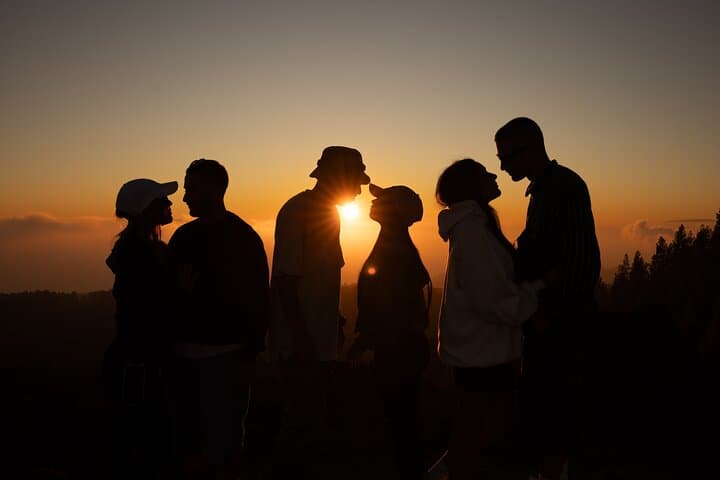
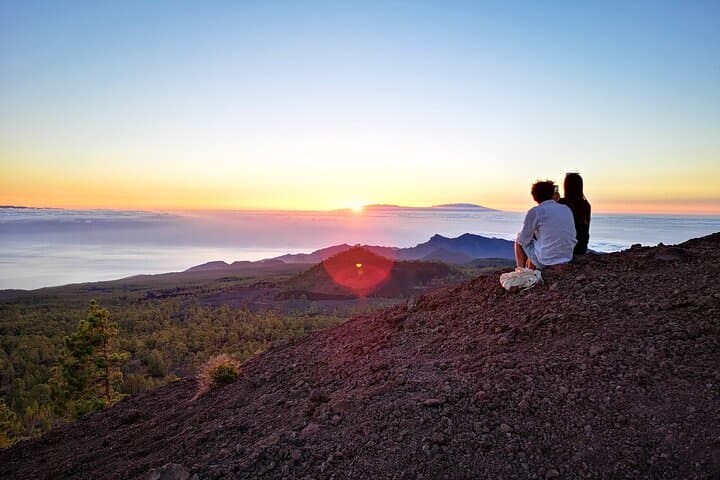
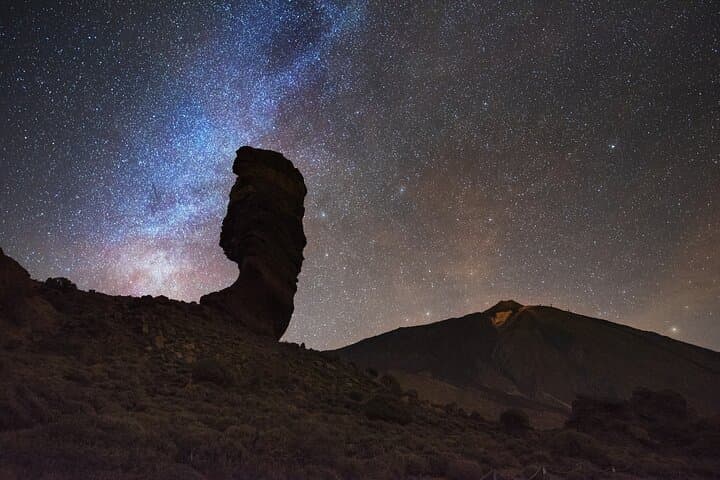
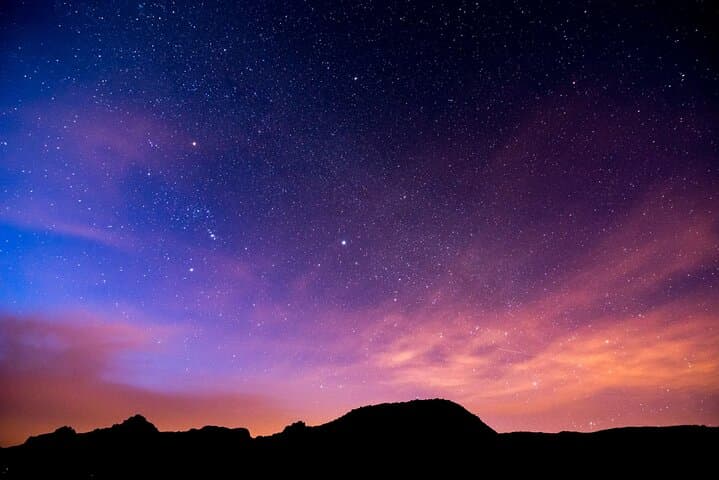
The road climbs, the air thins, and the island spreads out below as the sun slides behind La Gomera. Standing at roughly 2,000 meters inside Teide National Park, you watch color drain from basalt ridges while the first stars prick the sky — the volcano’s raw lines carving a silhouette against a deepening vault of light.
Verified experiences and guided adventures in the surrounding area.
Operated by Tenerife Stars · La Orotava, Tenerife
The road climbs, the air thins, and the island spreads out below as the sun slides behind La Gomera. Standing at roughly 2,000 meters inside Teide National Park, you watch color drain from basalt ridges while the first stars prick the sky — the volcano’s raw lines carving a silhouette against a deepening vault of light.
Teide is a living geology lesson: a stratovolcano crowned by Mount Teide, heaped with lava flows and ancient ash that shaped Tenerife’s highest peaks. Human history here is layered too — coastal Guanche settlements, Spanish colonial routes, and a modern conservation ethic that earned the park UNESCO status and a Starlight Reserve designation in 2013.
The experience combines a three-course dinner with local wine, a sunset stop with views toward La Gomera, La Palma and El Hierro, then powerful telescopes and guided sky interpretation once darkness falls. The low light pollution and special local regulations protecting night skies make this one of the world’s most reliable stargazing venues.
Practical edge: dress in layers for sharp temperature drops after sunset, allow time to acclimatize to altitude, and bring a warm hat — nights are cold and wind can bite. Telescopes and commentary are provided, but a headlamp with a red filter and a camera on a tripod will improve your own observations and photos. Be mindful of altitude-related limits if you have cardiovascular issues; the operator’s brief includes safety guidance.
This outing is ideal for travelers who want an accessible mix of landscape, culture, and astronomy: short walks, big skies, and the clear, disciplined dark that Teide protects.
easy.
4 hours.
Light activity; suitable for most people who can manage short, gentle walks at altitude.
Temperatures at ~2,000 m can drop to single digits (°C) even in summer; bring an insulated jacket and layers.
Yes — the experience includes powerful telescopes and guided interpretation of constellations, planets and deep-sky objects.
The tour is physically easy but not recommended for travelers with serious cardiovascular issues due to altitude; infants are accommodated but check with the operator for specific needs.
Many operators allow astrophotography; bring an adapter or use a camera on a tripod for best results and ask the guide for assistance.
Teide’s slopes preserve evidence of Guanche presence and later volcanic eruptions that shaped Tenerife’s economy and routes; the park’s UNESCO and Starlight designations reflect both natural and cultural value.
Strict lighting and flight regulations protect night skies; visitors are asked to minimize light use and follow established paths to limit habitat disturbance.
Tenerife Stars operates guided outdoor trips and adventures with an emphasis on safety, stewardship, and memorable experiences.
The road climbs, the air thins, and the island spreads out below as the sun slides behind La Gomera. Standing at roughly 2,000 meters inside Teide National Park, you watch color drain from basalt ridges while the first stars prick the sky — the volcano’s raw lines carving a silhouette against a deepening vault of light.
The road climbs, the air thins, and the island spreads out below as the sun slides behind La Gomera. Standing at roughly 2,000 meters inside Teide National Park, you watch color drain from basalt ridges while the first stars prick the sky — the volcano’s raw lines carving a silhouette against a deepening vault of light.
Teide is a living geology lesson: a stratovolcano crowned by Mount Teide, heaped with lava flows and ancient ash that shaped Tenerife’s highest peaks. Human history here is layered too — coastal Guanche settlements, Spanish colonial routes, and a modern conservation ethic that earned the park UNESCO status and a Starlight Reserve designation in 2013.
The experience combines a three-course dinner with local wine, a sunset stop with views toward La Gomera, La Palma and El Hierro, then powerful telescopes and guided sky interpretation once darkness falls. The low light pollution and special local regulations protecting night skies make this one of the world’s most reliable stargazing venues.
Practical edge: dress in layers for sharp temperature drops after sunset, allow time to acclimatize to altitude, and bring a warm hat — nights are cold and wind can bite. Telescopes and commentary are provided, but a headlamp with a red filter and a camera on a tripod will improve your own observations and photos. Be mindful of altitude-related limits if you have cardiovascular issues; the operator’s brief includes safety guidance.
This outing is ideal for travelers who want an accessible mix of landscape, culture, and astronomy: short walks, big skies, and the clear, disciplined dark that Teide protects.