THE ADVENTURE COLLECTIVE® · Independent discovery and booking for outdoor travel

Climb Mount Sibilla at dusk to watch the ridge change color, then descend under a Milky Way that feels close enough to touch. This private sunset-and-night hike mixes local legend, limestone ridges, and practical mountain navigation.
Climb Mount Sibilla at dusk to watch the ridge change color, then descend under a Milky Way that feels close enough to touch. This private sunset-and-night hike mixes local legend, limestone ridges, and practical mountain navigation.
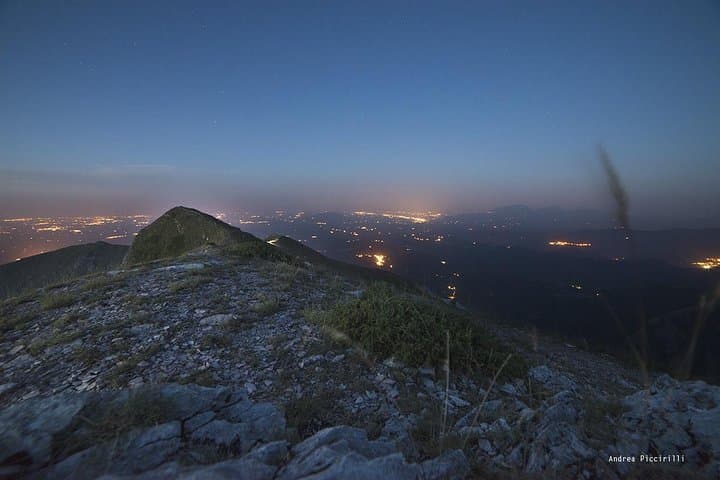
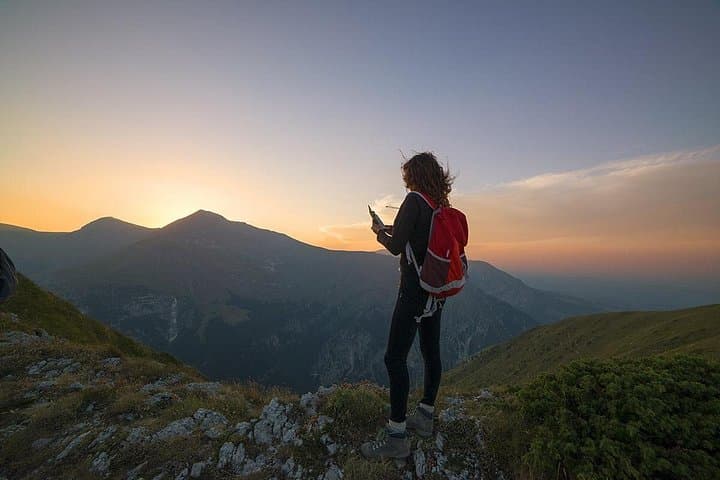
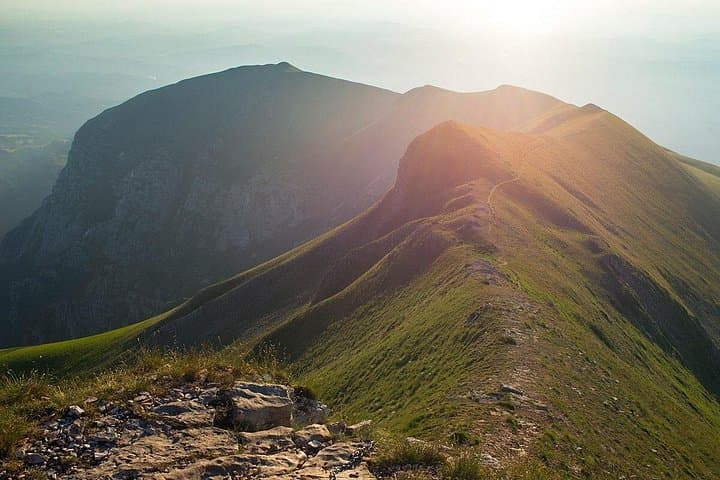
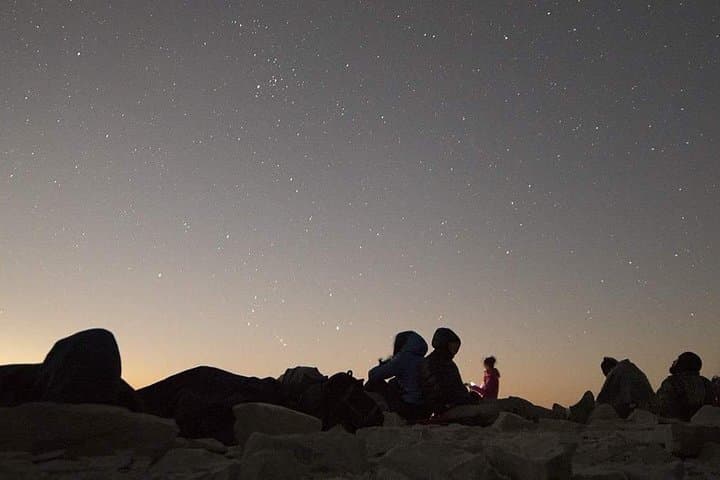
The ridge tightens and the light thins as you climb toward Mount Sibilla’s crown — a circular ring of rock that sits like an ancient diadem above the valley. Sunset arrives in stages: high alpine meadows burn orange, limestone crags take on violet, and the trail narrows into a spine that dares you forward. By the time the first stars prickle the sky, the crown’s silhouette is a dark, deliberate shape against the Milky Way.
Verified experiences and guided adventures in the surrounding area.
Operated by Il Ponticello Trekking Viaggi & Natura · Montemonaco, Marche
The ridge tightens and the light thins as you climb toward Mount Sibilla’s crown — a circular ring of rock that sits like an ancient diadem above the valley. Sunset arrives in stages: high alpine meadows burn orange, limestone crags take on violet, and the trail narrows into a spine that dares you forward. By the time the first stars prickle the sky, the crown’s silhouette is a dark, deliberate shape against the Milky Way.
This route runs through the Sibillini Mountains National Park, a landscape carved from limestone and glacial action; you’ll notice potholes and exposed strata that tell a long geological story. Local legend gives the peak a voice: medieval folk tales speak of the Sibilla, an oracle who drew pilgrims and storytellers. Pastoral culture still threads the hills — shepherds and seasonal huts are part of the ridge’s human geography.
Expect a compact, purposeful hike: roughly 6 km round trip with about 550 m of ascent over 4–5 hours, timed for sunset and moonlight. The terrain alternates grassy sidles and firm rock; the final approach requires sure footing and steady pace. Night brings a cold edge and excellent stargazing thanks to low light pollution, but it also masks trail features, so plan for powered light and extra layers.
Practical notes: bring waterproof layers, solid boots, a reliable headlamp, and 1 L of water; pack a small dinner to enjoy at the summit. Guides often run private groups and manage pacing and navigation — valuable when the trail becomes a silhouette under the stars.
moderate.
5 hours.
Be comfortable hiking 6 km with 550 m of ascent on uneven terrain; moderate cardiovascular fitness and steady footing required.
The route is moderate: 6 km and 550 m ascent. A person in decent hiking condition with good boots can complete it, but night conditions make steady footing and some experience desirable.
Infants must sit on a guardian’s lap and the operator notes it’s not recommended for very young children; judge by a child’s stamina and comfort on uneven ground.
No special equipment is required—just clear skies. A headlamp with a red-light mode preserves night vision; binoculars or a star app will enhance the experience.
This is a private guided hike; guides lead navigation and pacing. Airport or hotel pickup is typically excluded—confirm logistics with the operator.
The mountain is tied to medieval legends of the Sibilla oracle; these stories shaped pilgrimages and local folklore across the central Apennines.
Mount Sibilla lies within Sibillini Mountains National Park—stick to established trails, pack out all waste, and avoid disturbing grazing areas to support fragile alpine habitats.
Il Ponticello Trekking Viaggi & Natura operates guided outdoor trips and adventures with an emphasis on safety, stewardship, and memorable experiences.
The ridge tightens and the light thins as you climb toward Mount Sibilla’s crown — a circular ring of rock that sits like an ancient diadem above the valley. Sunset arrives in stages: high alpine meadows burn orange, limestone crags take on violet, and the trail narrows into a spine that dares you forward. By the time the first stars prickle the sky, the crown’s silhouette is a dark, deliberate shape against the Milky Way.
The ridge tightens and the light thins as you climb toward Mount Sibilla’s crown — a circular ring of rock that sits like an ancient diadem above the valley. Sunset arrives in stages: high alpine meadows burn orange, limestone crags take on violet, and the trail narrows into a spine that dares you forward. By the time the first stars prickle the sky, the crown’s silhouette is a dark, deliberate shape against the Milky Way.
This route runs through the Sibillini Mountains National Park, a landscape carved from limestone and glacial action; you’ll notice potholes and exposed strata that tell a long geological story. Local legend gives the peak a voice: medieval folk tales speak of the Sibilla, an oracle who drew pilgrims and storytellers. Pastoral culture still threads the hills — shepherds and seasonal huts are part of the ridge’s human geography.
Expect a compact, purposeful hike: roughly 6 km round trip with about 550 m of ascent over 4–5 hours, timed for sunset and moonlight. The terrain alternates grassy sidles and firm rock; the final approach requires sure footing and steady pace. Night brings a cold edge and excellent stargazing thanks to low light pollution, but it also masks trail features, so plan for powered light and extra layers.
Practical notes: bring waterproof layers, solid boots, a reliable headlamp, and 1 L of water; pack a small dinner to enjoy at the summit. Guides often run private groups and manage pacing and navigation — valuable when the trail becomes a silhouette under the stars.