THE ADVENTURE COLLECTIVE® · Independent discovery and booking for outdoor travel

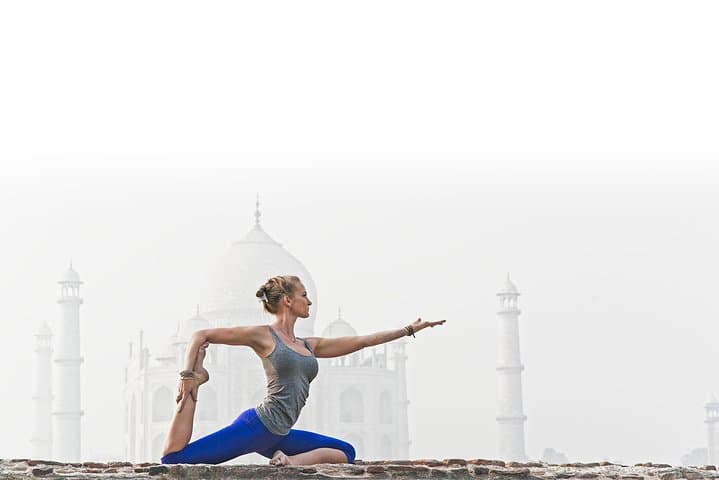
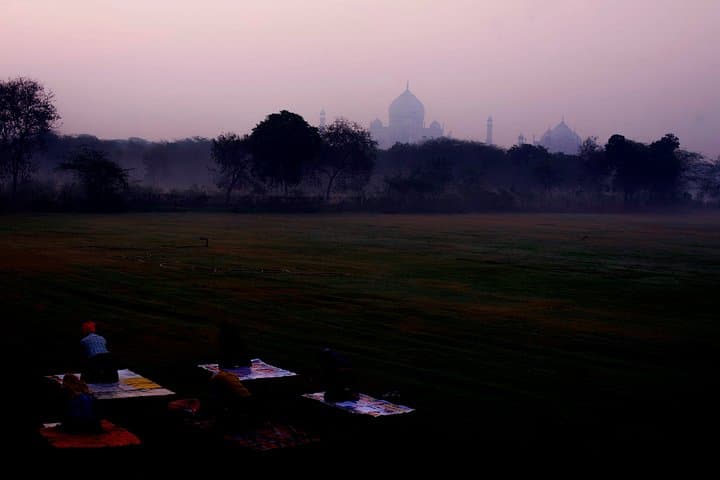
Start your day on Mehtab Bagh with a one-hour yoga session facing the Taj Mahal. Watch the monument at sunrise while practicing gentle flows and breathing under an experienced instructor.
Start your day on Mehtab Bagh with a one-hour yoga session facing the Taj Mahal. Watch the monument at sunrise while practicing gentle flows and breathing under an experienced instructor.
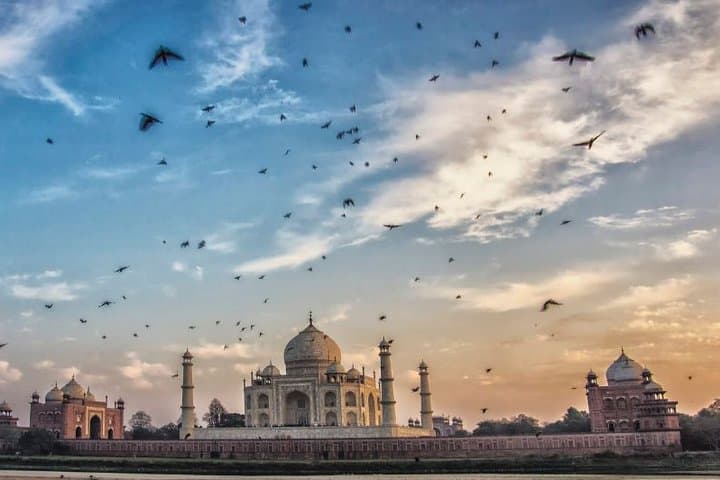
Dawn arrives over the Yamuna and the Taj Mahal stands like a cool exhale across the water. On Mehtab Bagh’s grassy terraces, a small group unfurls mats while the river quietly pulls light toward the monument; breath and breeze become the first movements of the day.
Verified experiences and guided adventures in the surrounding area.
Operated by TripBea · Agra, Uttar Pradesh
Dawn arrives over the Yamuna and the Taj Mahal stands like a cool exhale across the water. On Mehtab Bagh’s grassy terraces, a small group unfurls mats while the river quietly pulls light toward the monument; breath and breeze become the first movements of the day.
Mehtab Bagh was conceived in the Mughal period as a charbagh moonlight garden directly north of the Taj Mahal, a planned vantage meant to enhance the mausoleum’s reflection across the river. The site’s red soil and seasonal floodplain tell a different geological story: silt-laden banks shaped by the Yamuna’s slow shifts, supporting riverine plants and migratory birds that animate early mornings.
Culturally, yoga here sits between personal practice and public reverence—modest dress and quiet respect keep the experience thoughtful. Local guides and instructors often layer short histories into sessions, pointing out the contested “Black Taj” legend and conservation work aimed at protecting the riverfront.
Practical guidance: arrive 20–30 minutes before start to find a flat spot and clear sightlines; sessions typically last 60 minutes and are suitable for all levels. Sunscreen and a light jacket are useful—temperatures swing quickly before and after sunrise. Shoes are removed on the grass; bring a travel mat or towel if you prefer.
Plan for modest, respectful behavior around other visitors and prayer sites, and carry water—organizers usually provide bottled water but it’s wise to have your own. In short, this is a gentle, low-impact way to meet the Taj at first light—quiet, tactile, and immediate.
easy.
1 hour.
Suitable for most fitness levels; basic mobility and ability to stand and sit on the ground recommended
The session is 60 minutes long and typically begins at sunrise; check your booking for the exact start time.
No—sessions are suitable for all levels and instructors offer modifications for beginners and limited mobility.
Most organized sessions include garden access; confirm on booking. Separate public-entry fees may apply for independent visits.
Photography is common at Mehtab Bagh, but large tripods, commercial shoots, or disruptive setups may be restricted—follow the organizer’s guidelines and site rules.
Mehtab Bagh was developed as a moonlight garden by the Mughals to frame the Taj Mahal across the Yamuna; the site has layered histories of landscaping and change tied to river dynamics.
Visitor pressure and river pollution have affected the Yamuna and surrounding gardens; stick to paths, avoid littering, and choose operators who support local conservation efforts.
TripBea operates guided outdoor trips and adventures with an emphasis on safety, stewardship, and memorable experiences.

Dawn arrives over the Yamuna and the Taj Mahal stands like a cool exhale across the water. On Mehtab Bagh’s grassy terraces, a small group unfurls mats while the river quietly pulls light toward the monument; breath and breeze become the first movements of the day.
Dawn arrives over the Yamuna and the Taj Mahal stands like a cool exhale across the water. On Mehtab Bagh’s grassy terraces, a small group unfurls mats while the river quietly pulls light toward the monument; breath and breeze become the first movements of the day.
Mehtab Bagh was conceived in the Mughal period as a charbagh moonlight garden directly north of the Taj Mahal, a planned vantage meant to enhance the mausoleum’s reflection across the river. The site’s red soil and seasonal floodplain tell a different geological story: silt-laden banks shaped by the Yamuna’s slow shifts, supporting riverine plants and migratory birds that animate early mornings.
Culturally, yoga here sits between personal practice and public reverence—modest dress and quiet respect keep the experience thoughtful. Local guides and instructors often layer short histories into sessions, pointing out the contested “Black Taj” legend and conservation work aimed at protecting the riverfront.
Practical guidance: arrive 20–30 minutes before start to find a flat spot and clear sightlines; sessions typically last 60 minutes and are suitable for all levels. Sunscreen and a light jacket are useful—temperatures swing quickly before and after sunrise. Shoes are removed on the grass; bring a travel mat or towel if you prefer.
Plan for modest, respectful behavior around other visitors and prayer sites, and carry water—organizers usually provide bottled water but it’s wise to have your own. In short, this is a gentle, low-impact way to meet the Taj at first light—quiet, tactile, and immediate.