THE ADVENTURE COLLECTIVE® · Independent discovery and booking for outdoor travel

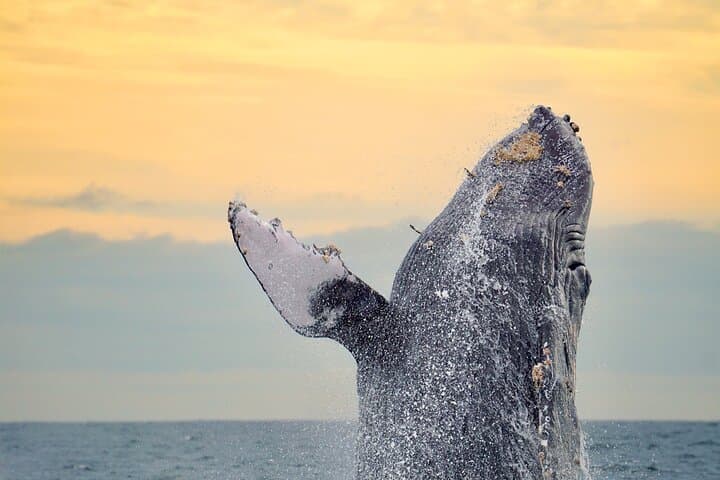
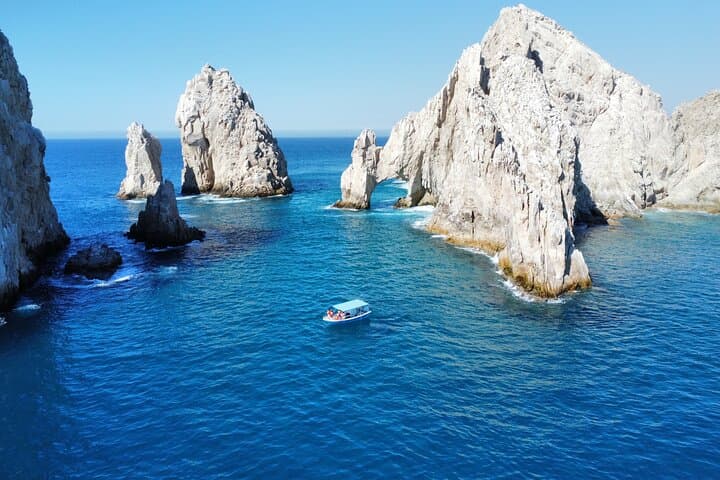
Board at Dock O Marina for a three-hour sunrise cruise led by a university-trained marine biologist. Hear humpback songs through a hydrophone, photograph whales and El Arco, and finish with a visit to the sea lion colony.
Board at Dock O Marina for a three-hour sunrise cruise led by a university-trained marine biologist. Hear humpback songs through a hydrophone, photograph whales and El Arco, and finish with a visit to the sea lion colony.
The boat slips of Dock O at Cabo’s marina are hushed before dawn—the town’s neon and traffic dimming as the Pacific takes over. You step aboard a small, stable charter and the first coffee of the day is warm in your hands; the horizon is a thin, molten line. As the engine drifts off the harbor, the ocean seems to inhale and the marine biologist aboard points toward the swell: distant spouts that puncture the mirror-like water like punctuation marks.
Verified experiences and guided adventures in the surrounding area.
Operated by Anda Expeditions · Cabo San Lucas, Baja California Sur
The boat slips of Dock O at Cabo’s marina are hushed before dawn—the town’s neon and traffic dimming as the Pacific takes over. You step aboard a small, stable charter and the first coffee of the day is warm in your hands; the horizon is a thin, molten line. As the engine drifts off the harbor, the ocean seems to inhale and the marine biologist aboard points toward the swell: distant spouts that puncture the mirror-like water like punctuation marks.
This three-hour sunrise tour blends close viewing with classroom clarity. University-trained guides narrate humpback behavior, call patterns, and seasonal migration on a route that threads past Pelican Rock and toward the famous El Arco and sea lion colony. A hydrophone brings whale song into the cabin—low, rolling phrases you feel as much as hear—turning observation into conversation.
Cabo sits where the Sea of Cortez gives way to the Pacific, a geological seam forged by tectonic shifts and wave sculpting. El Arco, the limestone arch at Lands End, stands as a raw remnant of that interplay: a natural gateway worn by currents and storms. For centuries this coast was charted by sailors and fishermen; today it is a seasonal refuge for whales that follow the warm Baja waters to breed and calve between December and April.
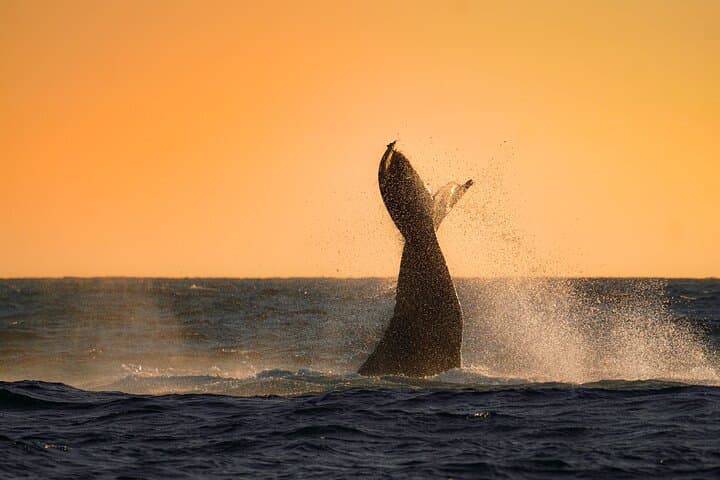
Locals treat mornings on the water as practical ritual—early light, quick coffee, and careful attention to sea state. The guides will point out telltale signs: a ripple, a fluke, a tail slap. Sea lions often use the arch’s rocky islets as a stage, barking and basking while pelagic birds hawk the surface.
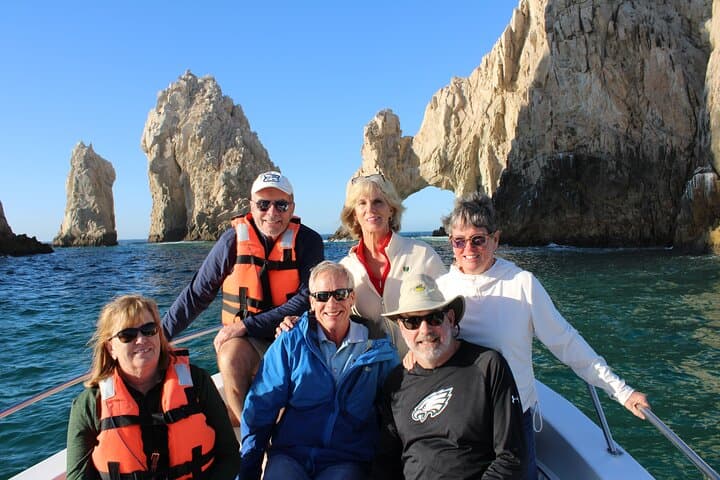
Practicalities: meet at Dock O Marina (across from the CATAC building) 20 minutes before departure. The trip is three hours and suitable for all fitness levels; you should be able to stand and move on a moving boat for that time. Wear layers—pre-dawn air is cool and wind-driven, but the sun climbs fast. Bring binoculars, a camera with a medium-to-long lens (200–400mm ideal), and seasickness medication if you’re prone; life jackets are provided.
Photography is best in the first hour when the sea is calm and light is soft; position yourself on the bow for unobstructed silhouettes of the arch. If whales surface near the boat, follow the guide’s instructions for safe viewing—stay low, avoid sudden movements, and let them choose the distance.
The tour is as much about listening as looking: hydrophone sessions, species ID, and a final slow circle at the sea lion colony give context to the sightings. Pastries and coffee are included, and professional wildlife photos are supplied after the tour. For early birds and photographers, this is an efficient, educational way to meet Baja’s giants without sacrificing comfort or safety.
easy.
3 hours.
Able to stand and move on a small vessel for three hours; no special fitness required
Humpback whales are the primary attraction during whale season (December–April); you may also see dolphins, California sea lions, and seasonal seabirds.
Yes—tours are family-friendly, but parents should ensure children can tolerate a three-hour boat ride and follow safety instructions.
Yes, the use of an onboard hydrophone to listen to whale songs is included as part of the guided experience.
Trips are canceled for unsafe conditions; you can get a full refund if canceled at least 24 hours before departure or if the operator cancels due to weather.
Professional photos of wildlife encounters and guest shots are taken onboard and provided after the tour as part of the package.
Meet at the main gate of Dock O in the Marina, across from the CATAC building and Cabo Zaidas. Look for guides wearing the Anda Expeditions uniform.
Cabo’s Lands End mark was long used by mariners navigating the Pacific entrance to the Gulf of California; seasonal whale migrations have shaped local fishing and conservation practices.
Tours operate under marine park fees and adhere to distance rules to minimize disturbance; listen to the guide about responsible viewing and avoid flash photography near animals.
Anda Expeditions operates guided outdoor trips and adventures with an emphasis on safety, stewardship, and memorable experiences.
The boat slips of Dock O at Cabo’s marina are hushed before dawn—the town’s neon and traffic dimming as the Pacific takes over. You step aboard a small, stable charter and the first coffee of the day is warm in your hands; the horizon is a thin, molten line. As the engine drifts off the harbor, the ocean seems to inhale and the marine biologist aboard points toward the swell: distant spouts that puncture the mirror-like water like punctuation marks.
The boat slips of Dock O at Cabo’s marina are hushed before dawn—the town’s neon and traffic dimming as the Pacific takes over. You step aboard a small, stable charter and the first coffee of the day is warm in your hands; the horizon is a thin, molten line. As the engine drifts off the harbor, the ocean seems to inhale and the marine biologist aboard points toward the swell: distant spouts that puncture the mirror-like water like punctuation marks.
This three-hour sunrise tour blends close viewing with classroom clarity. University-trained guides narrate humpback behavior, call patterns, and seasonal migration on a route that threads past Pelican Rock and toward the famous El Arco and sea lion colony. A hydrophone brings whale song into the cabin—low, rolling phrases you feel as much as hear—turning observation into conversation.
Cabo sits where the Sea of Cortez gives way to the Pacific, a geological seam forged by tectonic shifts and wave sculpting. El Arco, the limestone arch at Lands End, stands as a raw remnant of that interplay: a natural gateway worn by currents and storms. For centuries this coast was charted by sailors and fishermen; today it is a seasonal refuge for whales that follow the warm Baja waters to breed and calve between December and April.
Locals treat mornings on the water as practical ritual—early light, quick coffee, and careful attention to sea state. The guides will point out telltale signs: a ripple, a fluke, a tail slap. Sea lions often use the arch’s rocky islets as a stage, barking and basking while pelagic birds hawk the surface.
Practicalities: meet at Dock O Marina (across from the CATAC building) 20 minutes before departure. The trip is three hours and suitable for all fitness levels; you should be able to stand and move on a moving boat for that time. Wear layers—pre-dawn air is cool and wind-driven, but the sun climbs fast. Bring binoculars, a camera with a medium-to-long lens (200–400mm ideal), and seasickness medication if you’re prone; life jackets are provided.
Photography is best in the first hour when the sea is calm and light is soft; position yourself on the bow for unobstructed silhouettes of the arch. If whales surface near the boat, follow the guide’s instructions for safe viewing—stay low, avoid sudden movements, and let them choose the distance.
The tour is as much about listening as looking: hydrophone sessions, species ID, and a final slow circle at the sea lion colony give context to the sightings. Pastries and coffee are included, and professional wildlife photos are supplied after the tour. For early birds and photographers, this is an efficient, educational way to meet Baja’s giants without sacrificing comfort or safety.