THE ADVENTURE COLLECTIVE® · Independent discovery and booking for outdoor travel

Witness humpbacks at dawn from a small, intimate boat with a naturalist and hydrophone—photos included. This calm, educational sunrise outing combines close listening, two hours of active searching, and a scenic return past Lover’s Beach and the Arch.
Witness humpbacks at dawn from a small, intimate boat with a naturalist and hydrophone—photos included. This calm, educational sunrise outing combines close listening, two hours of active searching, and a scenic return past Lover’s Beach and the Arch.
The first light in Cabo San Lucas spills gold across calm water as the marina slips away beneath your feet. On this sunrise expedition the bay holds its breath—the sea flat, other boats scarce, and the air tuned to low, patient sounds. A hydrophone is lowered to listen: whale song threads through the hull, a living map that guides the captain and naturalist toward the animals.
Verified experiences and guided adventures in the surrounding area.
Operated by Proyecto Cetáceo · Cabo San Lucas, Baja California Sur
The first light in Cabo San Lucas spills gold across calm water as the marina slips away beneath your feet. On this sunrise expedition the bay holds its breath—the sea flat, other boats scarce, and the air tuned to low, patient sounds. A hydrophone is lowered to listen: whale song threads through the hull, a living map that guides the captain and naturalist toward the animals.
Baja California Sur sits on a major migratory highway. Every winter, humpback and gray whales follow warm currents and rich feeding grounds, shaping local fishing villages and coastal lore. Geologically, the coastline is volcanic rock shaped by wind and waves; the famous Arch stands where sea has slowly pried open a granite throat. Culturally, Cabo’s relationship with whales is recent and conservation-minded—tour operators emphasize observation distance and minimal disturbance.
Expect two hours of open-ocean searching, followed by a return that includes a photo stop at Lover’s Beach, a view of the sea lion colony, and the Arch for classic shots. The outing is calm but marine conditions change; the crew provides raincoats and bottled water and includes photos in the price.
Practical guidance: take seasickness prevention early, dress in layers for the cool morning and warming sun, bring a zoom lens or large-sensor camera for distant breaches, and arrive at the marina 20–30 minutes before departure to check gear and briefing. This trip balances relaxed viewing, education from guides, and reliable photo opportunities in a setting defined by sea, sky, and migrating giants.
easy.
3 hours.
Suitable for most fitness levels; participants should be able to board a small boat and stand or sit for the duration.
Operators follow local guidelines to maintain a respectful distance while maximizing viewing; the naturalist uses the hydrophone to locate whales first, then approaches slowly if the animals’ behavior allows.
Yes—this tour includes photos taken by the crew and provided to guests after the excursion, plus opportunities for personal photography from the boat.
Yes—infants can ride but must sit on an adult’s lap; weigh motion-sickness risks and bring appropriate safety gear for small children.
Tours may be canceled or rescheduled for safety due to high seas or poor visibility; confirm cancellation policies at booking (full refund typically if canceled 24+ hours prior).
Whale migrations shaped local fishing and maritime culture; today whale watching supports conservation-minded tourism across Baja California Sur.
Operators adhere to distance and disturbance guidelines; reduce impact by minimizing noise, avoiding rapid approaches, and not feeding wildlife.
Proyecto Cetáceo operates guided outdoor trips and adventures with an emphasis on safety, stewardship, and memorable experiences.
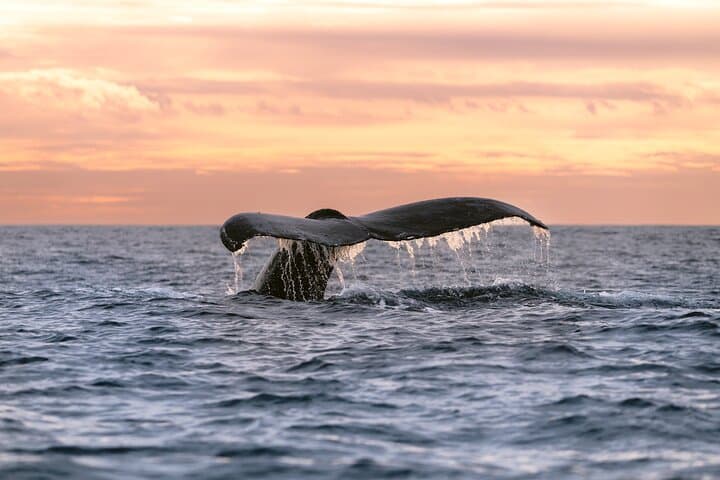
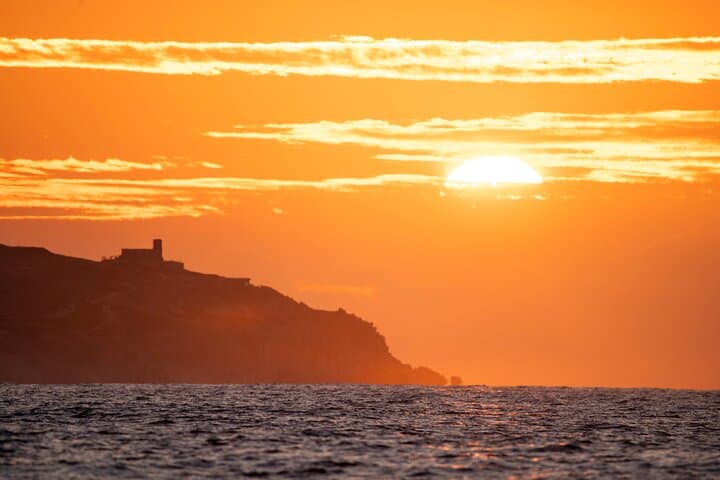
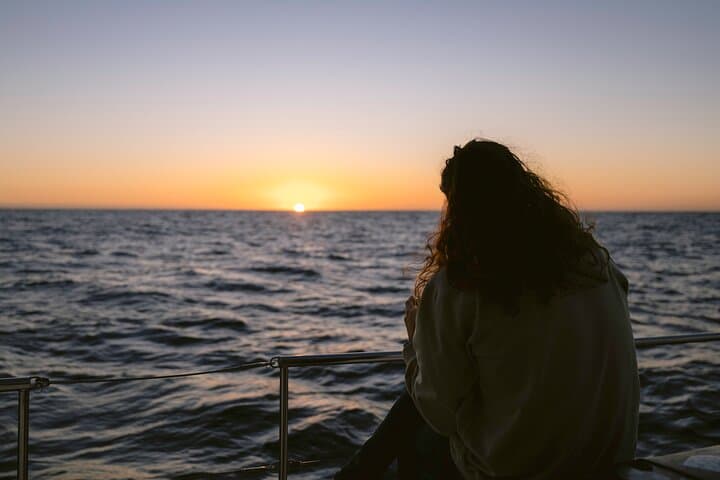
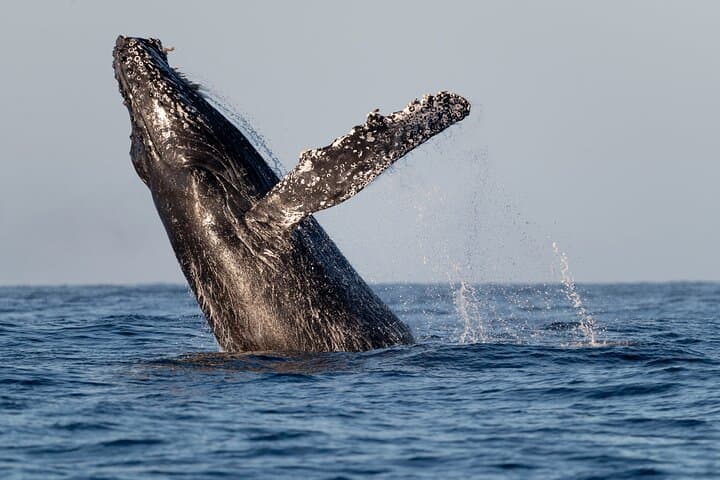
The first light in Cabo San Lucas spills gold across calm water as the marina slips away beneath your feet. On this sunrise expedition the bay holds its breath—the sea flat, other boats scarce, and the air tuned to low, patient sounds. A hydrophone is lowered to listen: whale song threads through the hull, a living map that guides the captain and naturalist toward the animals.
The first light in Cabo San Lucas spills gold across calm water as the marina slips away beneath your feet. On this sunrise expedition the bay holds its breath—the sea flat, other boats scarce, and the air tuned to low, patient sounds. A hydrophone is lowered to listen: whale song threads through the hull, a living map that guides the captain and naturalist toward the animals.
Baja California Sur sits on a major migratory highway. Every winter, humpback and gray whales follow warm currents and rich feeding grounds, shaping local fishing villages and coastal lore. Geologically, the coastline is volcanic rock shaped by wind and waves; the famous Arch stands where sea has slowly pried open a granite throat. Culturally, Cabo’s relationship with whales is recent and conservation-minded—tour operators emphasize observation distance and minimal disturbance.
Expect two hours of open-ocean searching, followed by a return that includes a photo stop at Lover’s Beach, a view of the sea lion colony, and the Arch for classic shots. The outing is calm but marine conditions change; the crew provides raincoats and bottled water and includes photos in the price.
Practical guidance: take seasickness prevention early, dress in layers for the cool morning and warming sun, bring a zoom lens or large-sensor camera for distant breaches, and arrive at the marina 20–30 minutes before departure to check gear and briefing. This trip balances relaxed viewing, education from guides, and reliable photo opportunities in a setting defined by sea, sky, and migrating giants.