THE ADVENTURE COLLECTIVE® · Independent discovery and booking for outdoor travel

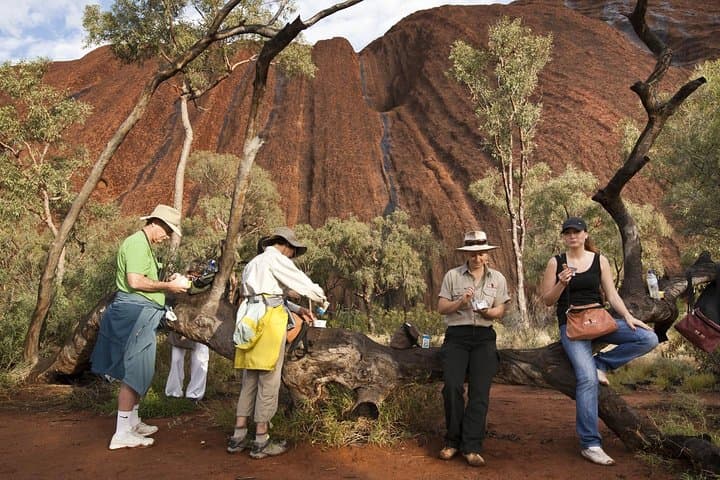
Catch Uluru at its most dramatic on a guided 12-km sunrise circuit. This small-group walk pairs an outback picnic breakfast with cultural stories, waterholes, and rock art along the base of the monolith.
Catch Uluru at its most dramatic on a guided 12-km sunrise circuit. This small-group walk pairs an outback picnic breakfast with cultural stories, waterholes, and rock art along the base of the monolith.
You set out before the park wakes, a long silhouette of stone changing color as the sun pries itself over the horizon. The first light slides along the face of Uluru, warming the iron-rich rock until it seems to breathe; your small group moves quietly, pulled forward by the promise of sunrise and the low, steady voice of the guide.
Verified experiences and guided adventures in the surrounding area.
Operated by SEIT Tours · Yulara, Northern Territory
You set out before the park wakes, a long silhouette of stone changing color as the sun pries itself over the horizon. The first light slides along the face of Uluru, warming the iron-rich rock until it seems to breathe; your small group moves quietly, pulled forward by the promise of sunrise and the low, steady voice of the guide.
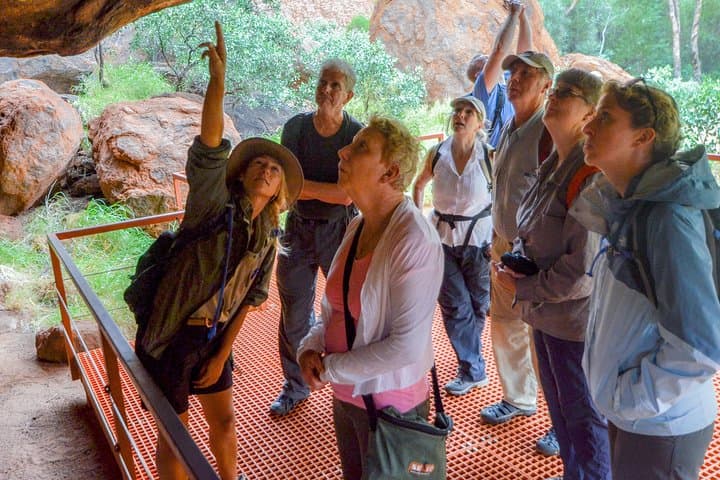
This is a 12-kilometre loop that traces the perimeter of one of Australia’s most iconic monoliths. Geologically, Uluru is a tilted ark of arkose sandstone laid down some 550 million years ago and sculpted by wind and rare rains. Culturally, it is central to Anangu law and Tjukurpa; your guide will explain creation stories tied to features you pass — waterholes, ochre-streaked rock art, and named formations that map ancestral journeys.
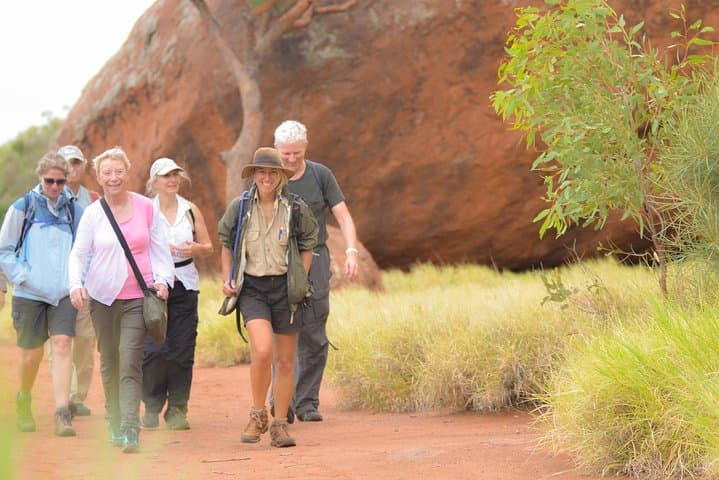
Along the way expect even, sandy track underfoot, occasional shallow rock steps, and pauses at Mutitjulu Waterhole and ancient galleries of pigment. Wildlife is discreet: kangaroos may watch from a distance, and desert birds animate the sky.
Practicalities: arrive with layered clothing, a brimmed hat, and at least 1–1.5 liters of water. The walk is guide-led, so navigation and park entry logistics are handled for you; breakfast is a picnic carried on the trail. Start times are very early to catch sunrise and avoid midday heat; in summer temperatures can rise rapidly. Respect signage and cultural protocols—some rock art sites are protected and photography is limited. This walk blends clear, manageable hiking with deep cultural context—ideal for travelers wanting both perspective and place.
moderate.
3–4 hours (walking portion); full tour 6 hours.
Moderate fitness—able to walk 12 km on mostly even terrain with intermittent rock steps and short pauses
No. Climbing Uluru has been permanently prohibited out of respect for Anangu wishes and for visitor safety; this tour focuses on the base walk and cultural interpretation.
Park entry is required for Uluru Kata Tjuta National Park; you can purchase them online before arrival or ask the guide to arrange payment the morning of the tour for an additional cost.
The 12 km loop is rated moderate—there is steady walking on even ground with occasional rock steps; a reasonable level of fitness is recommended.
Photography is allowed at many points but prohibited at specific sacred sites and certain rock art panels; follow your guide’s direction to respect cultural protocols.
Uluru was returned to Anangu ownership in 1985 and is jointly managed by Parks Australia and traditional owners, who guide interpretation of cultural sites.
Visitors are asked to stay on marked trails, carry out all rubbish, and avoid touching rock art; joint management focuses on conserving fragile desert ecology and cultural values.
SEIT Tours operates guided outdoor trips and adventures with an emphasis on safety, stewardship, and memorable experiences.
You set out before the park wakes, a long silhouette of stone changing color as the sun pries itself over the horizon. The first light slides along the face of Uluru, warming the iron-rich rock until it seems to breathe; your small group moves quietly, pulled forward by the promise of sunrise and the low, steady voice of the guide.
You set out before the park wakes, a long silhouette of stone changing color as the sun pries itself over the horizon. The first light slides along the face of Uluru, warming the iron-rich rock until it seems to breathe; your small group moves quietly, pulled forward by the promise of sunrise and the low, steady voice of the guide.
This is a 12-kilometre loop that traces the perimeter of one of Australia’s most iconic monoliths. Geologically, Uluru is a tilted ark of arkose sandstone laid down some 550 million years ago and sculpted by wind and rare rains. Culturally, it is central to Anangu law and Tjukurpa; your guide will explain creation stories tied to features you pass — waterholes, ochre-streaked rock art, and named formations that map ancestral journeys.
Along the way expect even, sandy track underfoot, occasional shallow rock steps, and pauses at Mutitjulu Waterhole and ancient galleries of pigment. Wildlife is discreet: kangaroos may watch from a distance, and desert birds animate the sky.
Practicalities: arrive with layered clothing, a brimmed hat, and at least 1–1.5 liters of water. The walk is guide-led, so navigation and park entry logistics are handled for you; breakfast is a picnic carried on the trail. Start times are very early to catch sunrise and avoid midday heat; in summer temperatures can rise rapidly. Respect signage and cultural protocols—some rock art sites are protected and photography is limited. This walk blends clear, manageable hiking with deep cultural context—ideal for travelers wanting both perspective and place.