THE ADVENTURE COLLECTIVE® · Independent discovery and booking for outdoor travel

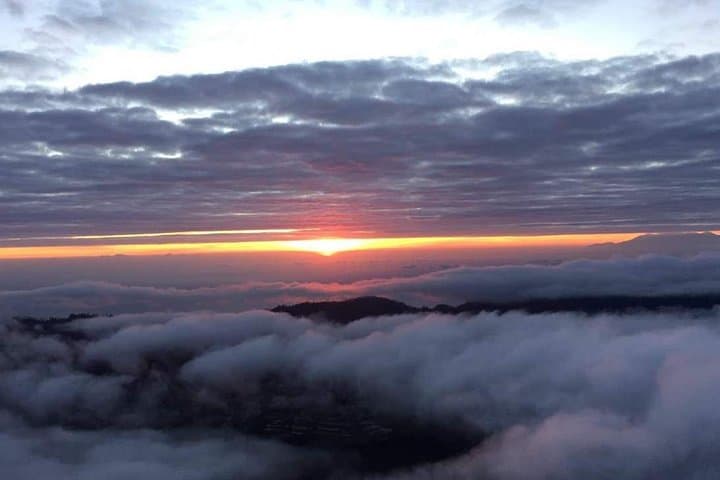
Leave Ubud before dawn and climb through volcanic scree to watch the sunrise from Mount Batur’s crater rim. This guided morning trek combines a brisk ascent, lake-and-caldera views, and breakfast at the top.
Leave Ubud before dawn and climb through volcanic scree to watch the sunrise from Mount Batur’s crater rim. This guided morning trek combines a brisk ascent, lake-and-caldera views, and breakfast at the top.
Before the world wakes, a headlamp beam threads through sharpened jungle air and the silhouette of Mount Batur rises like a dark promise against a violet sky.
Verified experiences and guided adventures in the surrounding area.
Operated by OKEY TRANS · Kintamani, Bali
Before the world wakes, a headlamp beam threads through sharpened jungle air and the silhouette of Mount Batur rises like a dark promise against a violet sky.
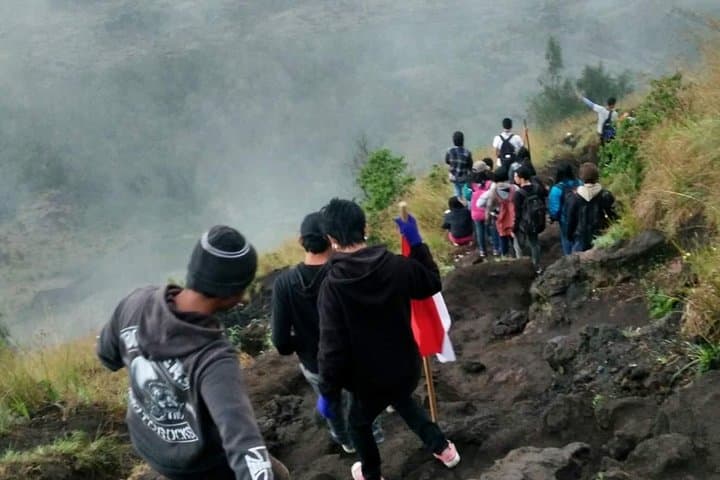
You set off from Ubud in the small hours, leaving rice-field lamps behind for a narrow trail that climbs the volcano’s flanks. Mount Batur sits inside a larger caldera whose lake reflects the first light; the walk alternates between volcanic scree, exposed rock steps and short stretches of forest, each step edging you into a panorama most visitors only see by dawn.
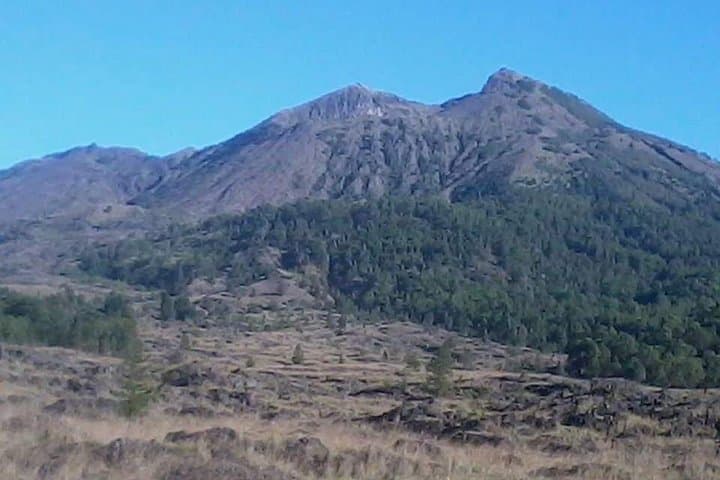
Geologically, Batur is an active caldera volcano; repeated eruptions built the steep cone and left a lake in the caldera floor. Culturally the area is part of Kintamani’s farming and temple life—local guides often point out small shrines and explain offerings placed by Balinese families who read the mountain as both provider and power.
Expect about 5–6 km round-trip with roughly 600–800 m of elevation gain; ascent commonly takes 1.5–2 hours depending on pace. Guides lead the way, timing the push to reach the rim for sunrise; many groups follow with a simple breakfast at the crater edge.
Practical edge: bring a reliable headlamp, layered windproof clothing, sturdy shoes with traction and at least 1–1.5 liters of water. Weather changes fast—fog and light rain are common in the wet season—so plan for slippery sections and cooler summit temperatures. Book a licensed local guide, respect marked paths and carry out all trash; the caldera ecosystem is fragile and heavily visited, especially on clear mornings.
moderate.
8–9 hours (door-to-door).
Suitable for people in reasonable shape who can manage a 1.5–2 hour uphill on uneven terrain; expect short steep sections.
The trail is moderate: 1.5–2 hours up with loose volcanic scree and short steep sections; most reasonably fit people can complete it with breaks.
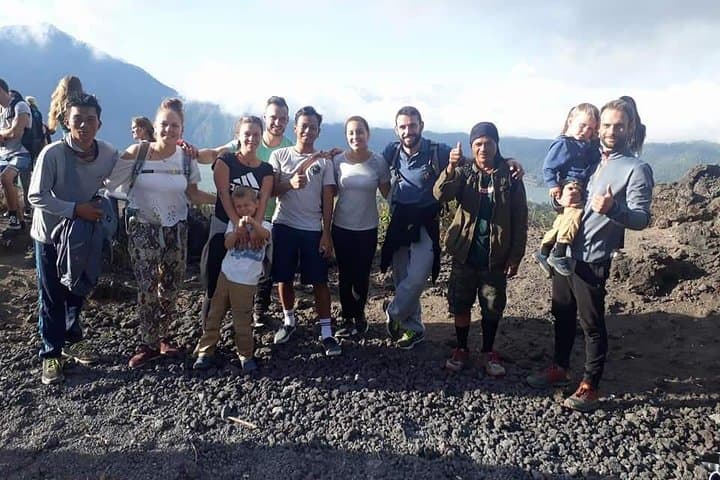
Hiring a licensed local guide is strongly recommended for safety, navigation and local knowledge; many operators include pickup from Ubud.
Tours commonly cancel in heavy rain or dangerous conditions; operators usually offer full refund if cancelled at least 24 hours prior or by the provider for safety reasons.
The summit is around 1,700 m—altitude effects are rare on this short trek, but not recommended for people with serious heart or spinal conditions, and infants should sit on laps as noted by operators.
Mount Batur occupies a young volcanic cone inside an older caldera; repeated eruptions shaped the island and local communities have long performed mountain offerings tied to agricultural cycles.
Stick to established trails, pack out trash and support licensed local guides—the caldera’s soils and waterways are sensitive to erosion and waste from heavy visitor traffic.
OKEY TRANS operates guided outdoor trips and adventures with an emphasis on safety, stewardship, and memorable experiences.
Before the world wakes, a headlamp beam threads through sharpened jungle air and the silhouette of Mount Batur rises like a dark promise against a violet sky.
Before the world wakes, a headlamp beam threads through sharpened jungle air and the silhouette of Mount Batur rises like a dark promise against a violet sky.
You set off from Ubud in the small hours, leaving rice-field lamps behind for a narrow trail that climbs the volcano’s flanks. Mount Batur sits inside a larger caldera whose lake reflects the first light; the walk alternates between volcanic scree, exposed rock steps and short stretches of forest, each step edging you into a panorama most visitors only see by dawn.
Geologically, Batur is an active caldera volcano; repeated eruptions built the steep cone and left a lake in the caldera floor. Culturally the area is part of Kintamani’s farming and temple life—local guides often point out small shrines and explain offerings placed by Balinese families who read the mountain as both provider and power.
Expect about 5–6 km round-trip with roughly 600–800 m of elevation gain; ascent commonly takes 1.5–2 hours depending on pace. Guides lead the way, timing the push to reach the rim for sunrise; many groups follow with a simple breakfast at the crater edge.
Practical edge: bring a reliable headlamp, layered windproof clothing, sturdy shoes with traction and at least 1–1.5 liters of water. Weather changes fast—fog and light rain are common in the wet season—so plan for slippery sections and cooler summit temperatures. Book a licensed local guide, respect marked paths and carry out all trash; the caldera ecosystem is fragile and heavily visited, especially on clear mornings.