THE ADVENTURE COLLECTIVE® · Independent discovery and booking for outdoor travel

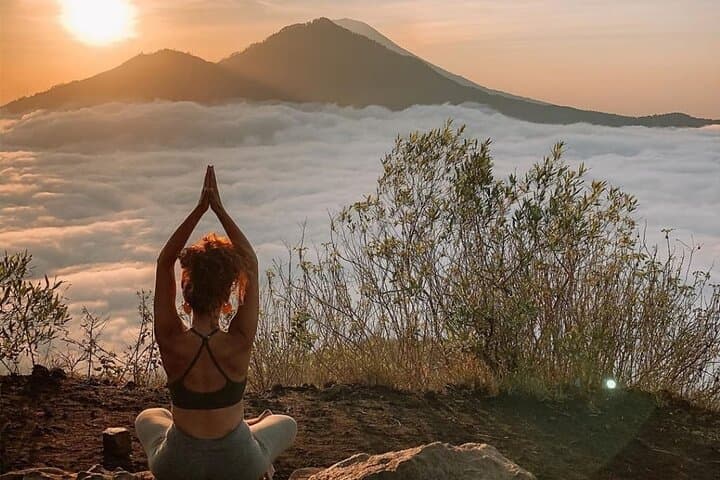
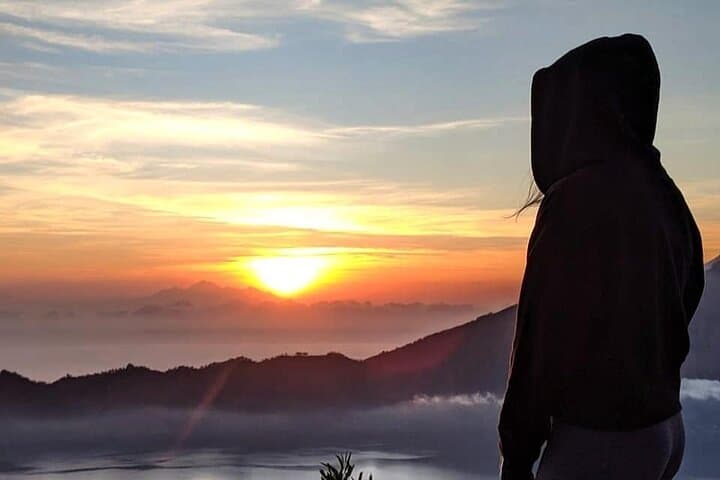
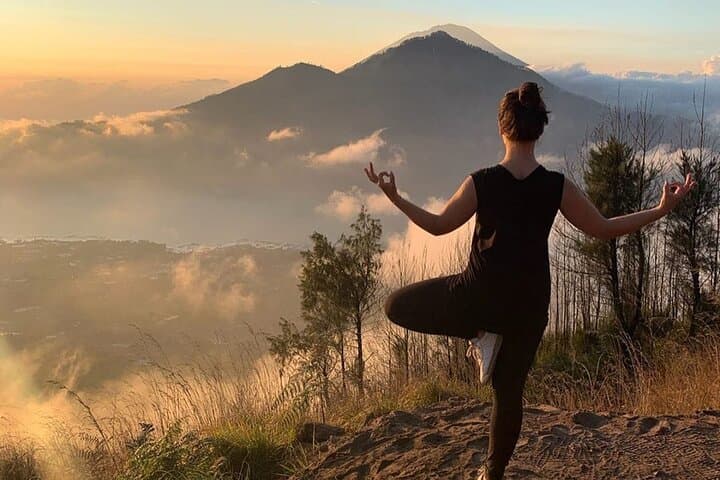
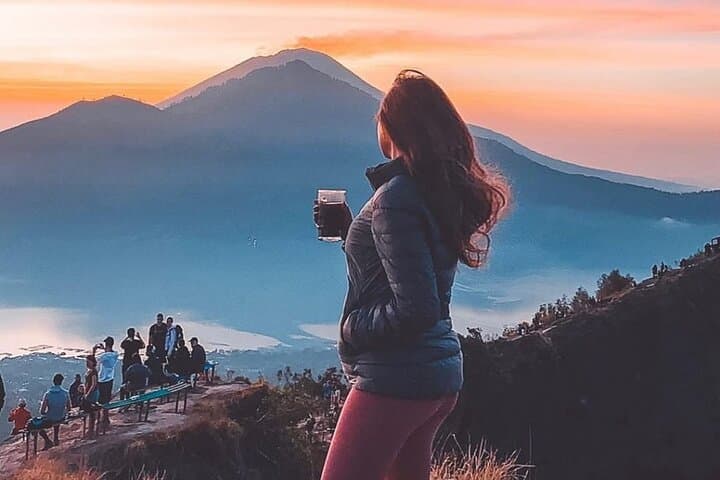
Climb Mount Batur in the predawn hours to catch a volcanic sunrise over Lake Batur. This guided trek mixes loose volcanic trail, geothermal steam vents and sweeping island views—ideal for moderately fit hikers.
Climb Mount Batur in the predawn hours to catch a volcanic sunrise over Lake Batur. This guided trek mixes loose volcanic trail, geothermal steam vents and sweeping island views—ideal for moderately fit hikers.
Before dawn the trail is a ribbon of headlamps threading up black volcanic ash. You move in a quiet line, boots sinking into coarse grit, while the mountain exhales steam from fumaroles and the sky begins to bruise with color.
Verified experiences and guided adventures in the surrounding area.
Operated by Mount Batur Camping · Kintamani, Bali
Before dawn the trail is a ribbon of headlamps threading up black volcanic ash. You move in a quiet line, boots sinking into coarse grit, while the mountain exhales steam from fumaroles and the sky begins to bruise with color.
Mount Batur is an active stratovolcano in Bali’s northern caldera; its rim looks over Lake Batur and toward Mount Agung and distant Lombok peaks. The crater and lake are the result of major eruptions that reshaped the region centuries ago, and local villages around Kintamani maintain rice terraces and volcanic hot springs shaped by that same geologic past. Guides lead most sunrise treks, sharing local lore about offerings, crater steam vents and the role Batur in Balinese ritual life.
Expect a steady, rocky ascent of roughly 2 hours—short steeps, loose volcanic scree and occasional stone steps—rewarded by a rim-side sunrise and the smell of boiled eggs from geothermal vents. Guides commonly supply headlamps, walking sticks, bottled water and a simple breakfast while you watch the light spread over the lake.
Practical edge: hike in sturdy shoes and layer for temperatures that can drop near the summit. Altitude is modest but the trail can be slippery; poles and a steady pace help. Morning pickups from Ubud or nearby towns add travel time, so allow a full half-day for the tour. Leave no trace on the fragile crater rim, respect local shrines, and consider arriving in the shoulder season (dry months) for clearer views.
moderate.
4–8 hours.
Suitable for hikers who can sustain a 2-hour uphill effort on uneven ground; basic stamina and balance required.
The hike is moderate: about 1.5–2 hours up on a steep but non-technical trail; most reasonably fit people complete it with rest breaks.
Pickups are typically between 2:00–3:30 AM to reach the trailhead; expect a 4–8 hour total tour including transport, hike, and breakfast.
Mount Batur’s summit is under 1,700 m and severe altitude sickness is uncommon, but light-headedness can occur with exertion—pace yourself and hydrate.
Yes—most operators include a local guide, headlamp/walking stick, bottled water and a simple breakfast at the summit.
Mount Batur sits inside a large caldera formed by explosive eruptions; volcanic activity and local Hindu rituals around the mountain shape community life in Kintamani.
The crater rim is ecologically sensitive—stick to established paths to prevent erosion, carry out trash, and use local guides to support sustainable tourism.
Mount Batur Camping operates guided outdoor trips and adventures with an emphasis on safety, stewardship, and memorable experiences.
Before dawn the trail is a ribbon of headlamps threading up black volcanic ash. You move in a quiet line, boots sinking into coarse grit, while the mountain exhales steam from fumaroles and the sky begins to bruise with color.
Before dawn the trail is a ribbon of headlamps threading up black volcanic ash. You move in a quiet line, boots sinking into coarse grit, while the mountain exhales steam from fumaroles and the sky begins to bruise with color.
Mount Batur is an active stratovolcano in Bali’s northern caldera; its rim looks over Lake Batur and toward Mount Agung and distant Lombok peaks. The crater and lake are the result of major eruptions that reshaped the region centuries ago, and local villages around Kintamani maintain rice terraces and volcanic hot springs shaped by that same geologic past. Guides lead most sunrise treks, sharing local lore about offerings, crater steam vents and the role Batur in Balinese ritual life.
Expect a steady, rocky ascent of roughly 2 hours—short steeps, loose volcanic scree and occasional stone steps—rewarded by a rim-side sunrise and the smell of boiled eggs from geothermal vents. Guides commonly supply headlamps, walking sticks, bottled water and a simple breakfast while you watch the light spread over the lake.
Practical edge: hike in sturdy shoes and layer for temperatures that can drop near the summit. Altitude is modest but the trail can be slippery; poles and a steady pace help. Morning pickups from Ubud or nearby towns add travel time, so allow a full half-day for the tour. Leave no trace on the fragile crater rim, respect local shrines, and consider arriving in the shoulder season (dry months) for clearer views.