THE ADVENTURE COLLECTIVE® · Independent discovery and booking for outdoor travel

Summit Mount Batur for a pre-dawn climb, eggs cooked in volcanic steam, and a lakeside hot-spring soak. This guide covers what to expect from terrain and timing to practical gear and seasonal conditions.
Summit Mount Batur for a pre-dawn climb, eggs cooked in volcanic steam, and a lakeside hot-spring soak. This guide covers what to expect from terrain and timing to practical gear and seasonal conditions.
Before dawn the parking lot is a scatter of taillights and warm air. Guides hand out flashlights and walking sticks; the path up Mount Batur threads charcoal ash and broken lava, the headlamp cones bobbing like a small constellation. As the slope eases, the crater rim opens and Lake Batur fills the valley below — the sun pulls color across a bowl of water and terraces.
Verified experiences and guided adventures in the surrounding area.
Operated by Mount Batur Trekking Guide · Kintamani, Bali
Before dawn the parking lot is a scatter of taillights and warm air. Guides hand out flashlights and walking sticks; the path up Mount Batur threads charcoal ash and broken lava, the headlamp cones bobbing like a small constellation. As the slope eases, the crater rim opens and Lake Batur fills the valley below — the sun pulls color across a bowl of water and terraces.
This is an active volcano inside a larger caldera; its summit sits at about 1,717 m and the landscape bears layers of relatively recent lava and older caldera walls. Balinese highland communities around Kintamani have farmed the volcanic soils for generations and maintain small coffee plots on the drive back. Local guides know which fumaroles will still simmer and where to watch the steam cook a simple breakfast of egg and banana.
Expect a 4–6 km round-trip hike with roughly 700–800 m of elevation gain on loose volcanic scree and packed dirt; the climb is non-technical but steady and typically takes 1.5–2 hours each way depending on pace. The itinerary commonly includes hotel pickup before 2:00 AM, summit sunrise and breakfast, then a soak at a nearby hot spring and a brief stop at a coffee plantation before returning to town.
Practical notes: wear grippy boots, bring layers for a cold summit and rapid warm-up, carry 1–2 liters of water, and budget small cash for entrance fees or solo-traveler surcharges. Start early, move deliberately on the scree, and leave time to relax in the hot springs — the steam seems to dare you to stay longer.
moderate.
6–10 hours.
Moderate fitness—able to sustain a steady uphill hike for 1.5–2 hours and manage loose scree on descent.
The trail is non-technical but steep in sections; expect 1.5–2 hours up and similar down on loose volcanic scree—moderate fitness required.
Dry season months (May–September) usually offer the clearest sunrises and firmer trails; early mornings year-round are cold and require layers.
Yes, but many operators charge a solo-traveler surcharge to cover guide and vehicle costs—check pricing before booking.
Mount Batur sits inside a larger caldera formed by major eruptions; the volcanic soils supported highland agriculture and sacred Balinese sites for generations.
Stick to marked trails to limit erosion on loose volcanic soils; use local guides and facilities to support community-led conservation and reduce informal trail creation.
Mount Batur Trekking Guide operates guided outdoor trips and adventures with an emphasis on safety, stewardship, and memorable experiences.
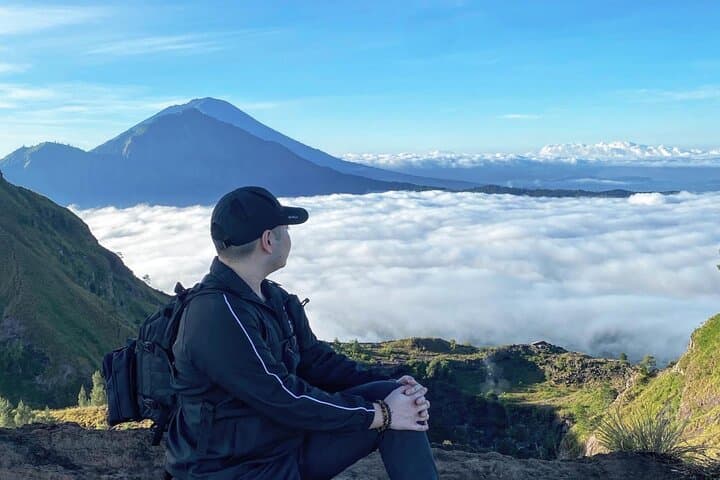
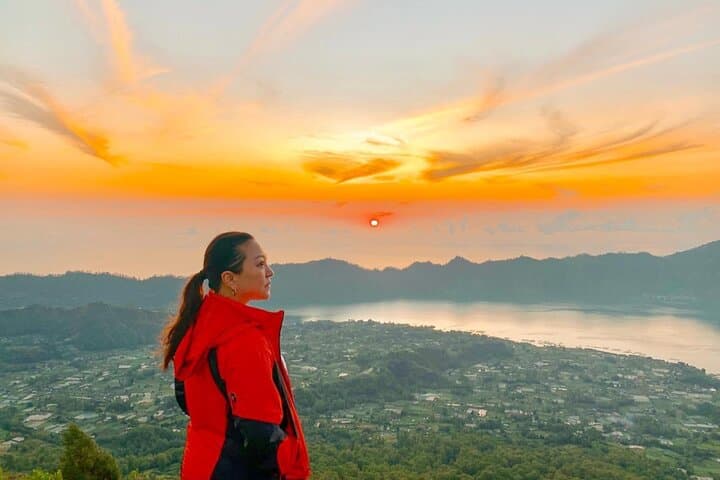
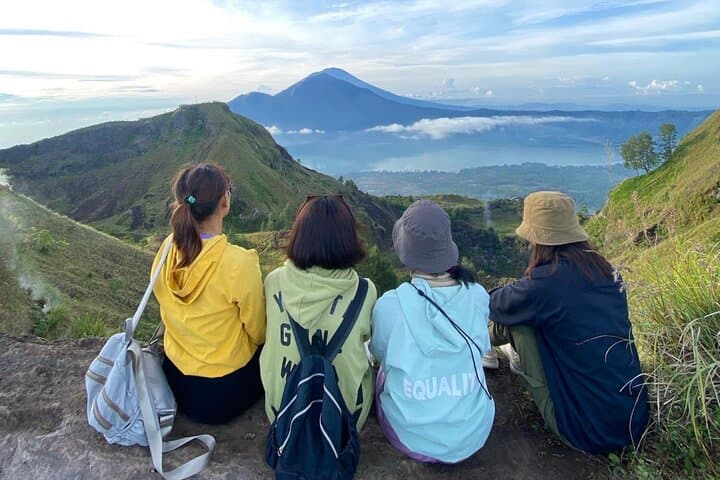
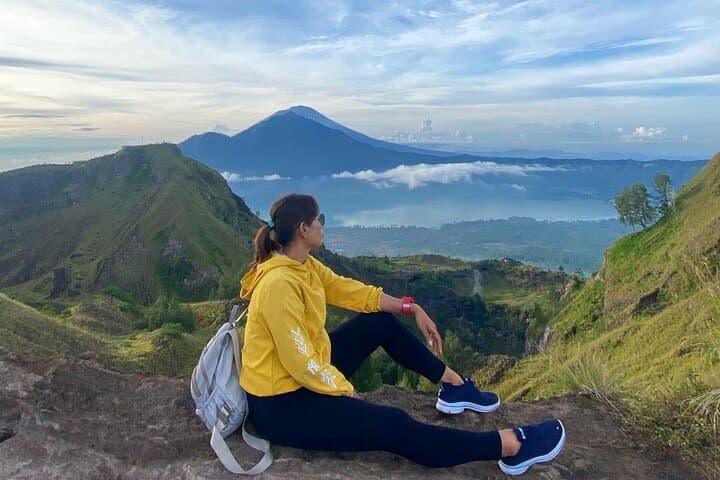
Before dawn the parking lot is a scatter of taillights and warm air. Guides hand out flashlights and walking sticks; the path up Mount Batur threads charcoal ash and broken lava, the headlamp cones bobbing like a small constellation. As the slope eases, the crater rim opens and Lake Batur fills the valley below — the sun pulls color across a bowl of water and terraces.
Before dawn the parking lot is a scatter of taillights and warm air. Guides hand out flashlights and walking sticks; the path up Mount Batur threads charcoal ash and broken lava, the headlamp cones bobbing like a small constellation. As the slope eases, the crater rim opens and Lake Batur fills the valley below — the sun pulls color across a bowl of water and terraces.
This is an active volcano inside a larger caldera; its summit sits at about 1,717 m and the landscape bears layers of relatively recent lava and older caldera walls. Balinese highland communities around Kintamani have farmed the volcanic soils for generations and maintain small coffee plots on the drive back. Local guides know which fumaroles will still simmer and where to watch the steam cook a simple breakfast of egg and banana.
Expect a 4–6 km round-trip hike with roughly 700–800 m of elevation gain on loose volcanic scree and packed dirt; the climb is non-technical but steady and typically takes 1.5–2 hours each way depending on pace. The itinerary commonly includes hotel pickup before 2:00 AM, summit sunrise and breakfast, then a soak at a nearby hot spring and a brief stop at a coffee plantation before returning to town.
Practical notes: wear grippy boots, bring layers for a cold summit and rapid warm-up, carry 1–2 liters of water, and budget small cash for entrance fees or solo-traveler surcharges. Start early, move deliberately on the scree, and leave time to relax in the hot springs — the steam seems to dare you to stay longer.