THE ADVENTURE COLLECTIVE® · Independent discovery and booking for outdoor travel

Spend a full day tracking wildlife from Hazyview into Kruger National Park with a photography-focused guide. Expect sunrise-to-sunset game viewing, on-site camera coaching, and gear supports like gimbals and bean bags.
Spend a full day tracking wildlife from Hazyview into Kruger National Park with a photography-focused guide. Expect sunrise-to-sunset game viewing, on-site camera coaching, and gear supports like gimbals and bean bags.
The day begins before light, the open safari vehicle idling as the Lowveld cools and the horizon whitens. Photography clients from Hazyview slide into seats with cameras slung and bean bags ready; the guide steers toward the gate where the bush wakes in streaks of gold. Moments of silence—only the crunch of dust and an occasional alarm call—set the frame for animal portraits.
Verified experiences and guided adventures in the surrounding area.
Operated by B1 Photo Safaris · Hazyview, Mpumalanga
The day begins before light, the open safari vehicle idling as the Lowveld cools and the horizon whitens. Photography clients from Hazyview slide into seats with cameras slung and bean bags ready; the guide steers toward the gate where the bush wakes in streaks of gold. Moments of silence—only the crunch of dust and an occasional alarm call—set the frame for animal portraits.
Kruger National Park, formally proclaimed in 1926 from earlier late-19th-century reserves, spreads across ancient granite and basalt plains punctuated by riverine forest. The landscape shapes behavior: in the dry season waterholes concentrate herds and predators, while summer’s green flush hides antelope in mopane and acacia stands.
Cultural touchpoints—local Shangaan communities and camp-based rangers—are part of the daily rhythm; food stops at main camps give a brief encounter with the park’s hospitality. Photography here is patient work: guides will hold sightings to let subjects move naturally and help with camera settings.
Practical points: tours run sunrise to sunset; expect a full day on rough gravel with comfort stops at park camps (meals at your expense). Operators supply Gimpro gimbals and bean bags and recommend three serious photographers per vehicle for best positioning. Bring a 300–500mm lens, fast SD cards, and dust protection for gear; practice shutter speeds above 1/500s for mammals and 1/1000s for birds. Hydrate, layer for early chill, and keep to park safety rules—stay seated and on tracks. With preparation, a private photographic safari from Hazyview converts fleeting wildlife encounters into frame-ready opportunities.
easy.
sunrise–sunset (approx. 10–12 hours).
Suitable for most fitness levels; expect long periods seated with short, bumpy exits from the vehicle for close-up shots
This private photography safari runs from gate opening to gate closing—essentially sunrise to sunset—so plan for a full day (roughly 10–12 hours).
Gate and conservation fees vary by operator and season; confirm with the provider at booking as these are often handled separately or added to the tour cost.
Vehicles seat up to six guests, but guides recommend no more than three serious photographers to allow space for tripods, bean bags, and unobstructed shooting.
The operator supplies Gimpro gimbals and bean bags; bring your own camera bodies, preferred lenses, spare batteries, and memory cards.
Kruger National Park was formally proclaimed in 1926 from earlier reserves established in the late 19th century, becoming one of Africa’s earliest large-scale conservation areas.
Visitors should stay on designated roads, avoid disturbing wildlife, and follow ranger guidance—local conservation relies on low-impact viewing and anti-poaching patrols.
B1 Photo Safaris operates guided outdoor trips and adventures with an emphasis on safety, stewardship, and memorable experiences.
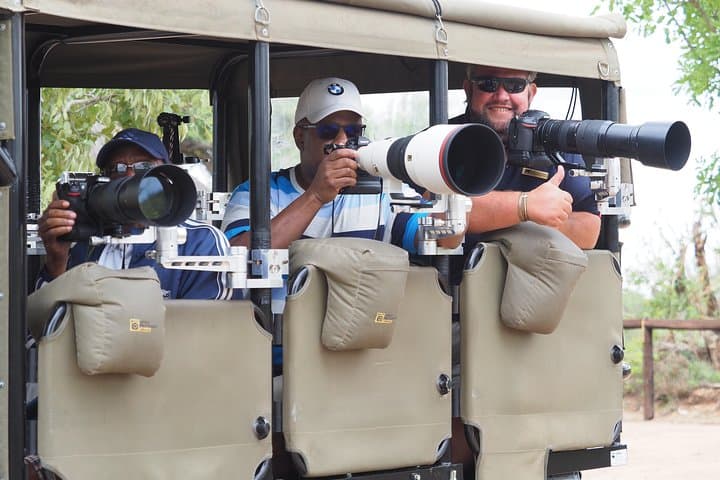
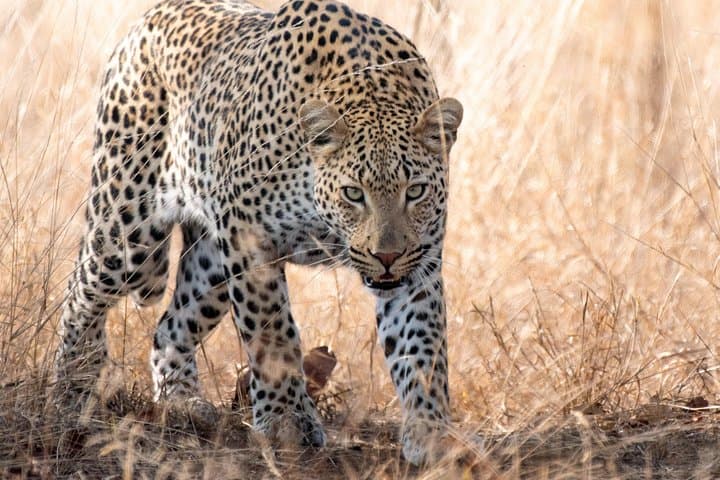
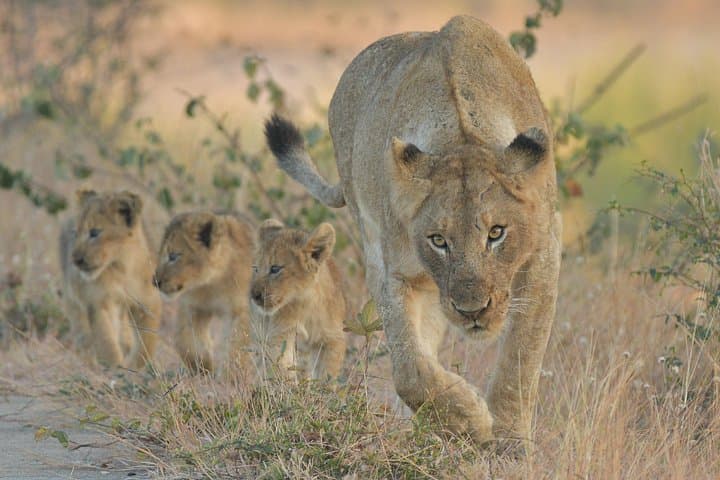
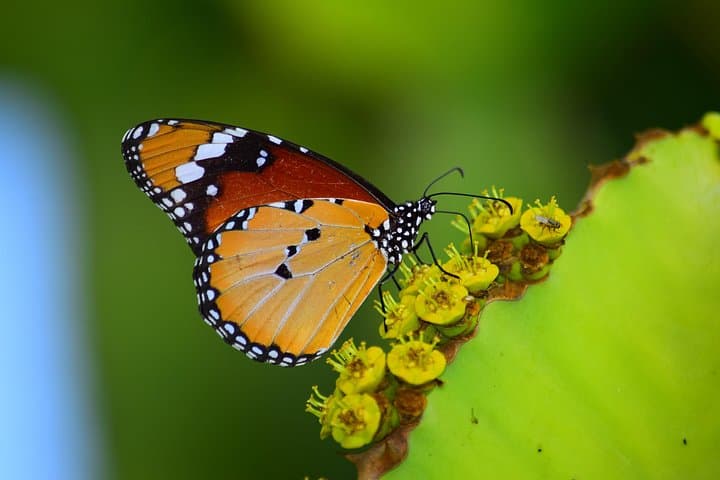
The day begins before light, the open safari vehicle idling as the Lowveld cools and the horizon whitens. Photography clients from Hazyview slide into seats with cameras slung and bean bags ready; the guide steers toward the gate where the bush wakes in streaks of gold. Moments of silence—only the crunch of dust and an occasional alarm call—set the frame for animal portraits.
The day begins before light, the open safari vehicle idling as the Lowveld cools and the horizon whitens. Photography clients from Hazyview slide into seats with cameras slung and bean bags ready; the guide steers toward the gate where the bush wakes in streaks of gold. Moments of silence—only the crunch of dust and an occasional alarm call—set the frame for animal portraits.
Kruger National Park, formally proclaimed in 1926 from earlier late-19th-century reserves, spreads across ancient granite and basalt plains punctuated by riverine forest. The landscape shapes behavior: in the dry season waterholes concentrate herds and predators, while summer’s green flush hides antelope in mopane and acacia stands.
Cultural touchpoints—local Shangaan communities and camp-based rangers—are part of the daily rhythm; food stops at main camps give a brief encounter with the park’s hospitality. Photography here is patient work: guides will hold sightings to let subjects move naturally and help with camera settings.
Practical points: tours run sunrise to sunset; expect a full day on rough gravel with comfort stops at park camps (meals at your expense). Operators supply Gimpro gimbals and bean bags and recommend three serious photographers per vehicle for best positioning. Bring a 300–500mm lens, fast SD cards, and dust protection for gear; practice shutter speeds above 1/500s for mammals and 1/1000s for birds. Hydrate, layer for early chill, and keep to park safety rules—stay seated and on tracks. With preparation, a private photographic safari from Hazyview converts fleeting wildlife encounters into frame-ready opportunities.