THE ADVENTURE COLLECTIVE® · Independent discovery and booking for outdoor travel

Leave Luxor before dawn and follow an ochre desert road to Abu Simbel, then return via Aswan’s island temples and Nubian villages. This two-day tour pairs monumental archaeology with riverfront culture and practical travel tips for a long but deeply rewarding route.
Leave Luxor before dawn and follow an ochre desert road to Abu Simbel, then return via Aswan’s island temples and Nubian villages. This two-day tour pairs monumental archaeology with riverfront culture and practical travel tips for a long but deeply rewarding route.
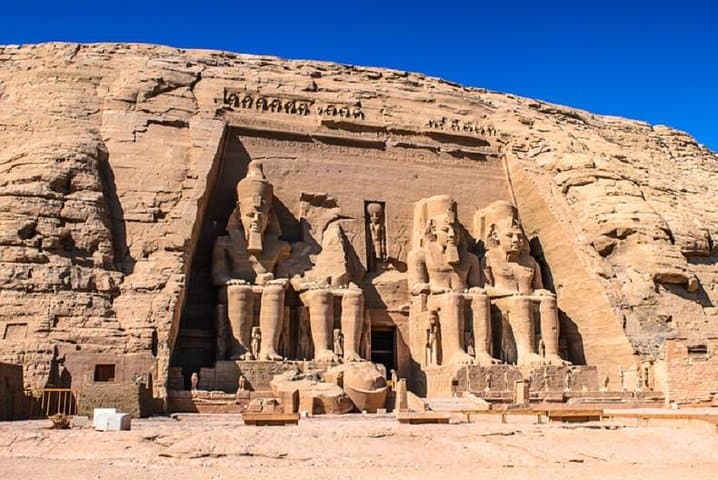
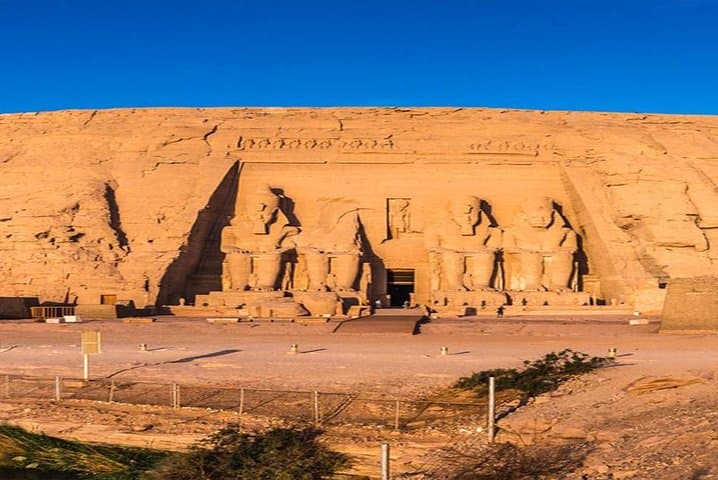
You wake before dawn in Luxor, the minarets still silhouettes, and the highway ahead is a strip of light through ochre desert. By the time the sun softens the sand, the colossal faces of Ramesses II at Abu Simbel rise out of the sandstone like a deliberate interruption to the flat horizon — an engineered roar of stone that asks you to slow down and look.
Verified experiences and guided adventures in the surrounding area.
Operated by We Egypt Travel · Abu Simbel, Aswan Governorate
You wake before dawn in Luxor, the minarets still silhouettes, and the highway ahead is a strip of light through ochre desert. By the time the sun softens the sand, the colossal faces of Ramesses II at Abu Simbel rise out of the sandstone like a deliberate interruption to the flat horizon — an engineered roar of stone that asks you to slow down and look.
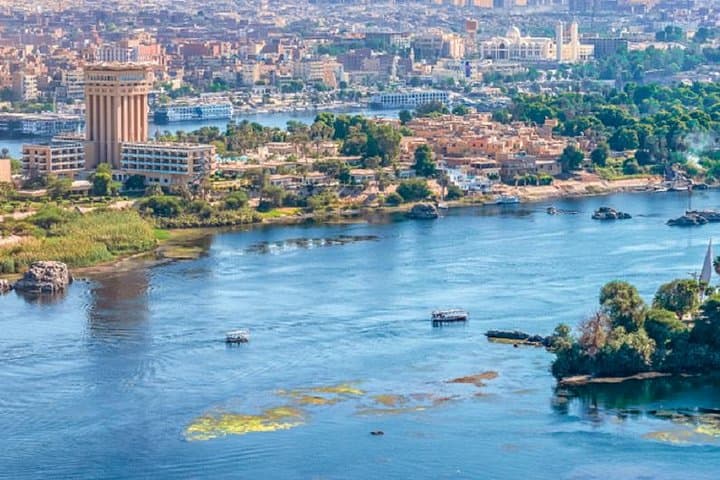
This two-day itinerary threads modern Aswan’s river life and Nubian culture with New Kingdom power politics. Abu Simbel’s twin temples, carved into a cliff in the 13th century BCE, were physically relocated higher up the bank in the 1960s to escape the rising waters of Lake Nasser — a major UNESCO rescue that preserved their axial alignments. In Aswan, Philae Temple celebrates Isis on an island of granite and felucca sailors still steer by wind and instinct.
Geologically the region is bedrock and Nile alluvium; expect stepped stone paths and compacted desert tracks rather than soft earth. Culturally, you’ll pass Nubian villages where bright paint and braided corrals mark a distinct local identity.
Practical guidance: start early for Abu Simbel’s cooler hours and the best light on the façade. Wear sun-protective clothing and sturdy walking shoes — temple precincts have uneven stone floors and steps. Bring local currency for small purchases, and keep a refillable bottle; bottled water is provided but options are limited between sites. Plan for long drives: the route is mostly paved but remote, so charge devices and carry basic meds. Respect temple rules, avoid flash photography where posted, and leave time in Aswan for a felucca glide at sunset — the river’s current seems to push you forward toward a different pace.
moderate.
2 days.
Suitable for travelers in regular physical condition who can handle long vehicle transfers and short, uneven walks at archaeological sites.
The full drive from Luxor to Abu Simbel is long—expect around 3.5–4.5 hours each way depending on stops and traffic, with early starts recommended.
This tour typically includes admissions to the listed temples, but confirm specifics with your operator before travel.
Swimming in the Nile is not recommended at most tour sites near major ruins due to currents and local regulations; check with your guide for safe options like designated felucca stops.
The itinerary is rated physically easy in parts, but long transfers and early starts can be tiring; accommodations and transport are provided, and accessibility varies at archaeological sites.
Abu Simbel’s temples were carved during Ramesses II’s reign and famously moved in the 1960s to avoid submersion when Lake Nasser was created.
The UNESCO-led relocation saved the temples, but rising tourism and lake-level changes mean visitors should follow site rules, avoid touching reliefs, and support local conservation initiatives.
We Egypt Travel operates guided outdoor trips and adventures with an emphasis on safety, stewardship, and memorable experiences.
You wake before dawn in Luxor, the minarets still silhouettes, and the highway ahead is a strip of light through ochre desert. By the time the sun softens the sand, the colossal faces of Ramesses II at Abu Simbel rise out of the sandstone like a deliberate interruption to the flat horizon — an engineered roar of stone that asks you to slow down and look.
You wake before dawn in Luxor, the minarets still silhouettes, and the highway ahead is a strip of light through ochre desert. By the time the sun softens the sand, the colossal faces of Ramesses II at Abu Simbel rise out of the sandstone like a deliberate interruption to the flat horizon — an engineered roar of stone that asks you to slow down and look.
This two-day itinerary threads modern Aswan’s river life and Nubian culture with New Kingdom power politics. Abu Simbel’s twin temples, carved into a cliff in the 13th century BCE, were physically relocated higher up the bank in the 1960s to escape the rising waters of Lake Nasser — a major UNESCO rescue that preserved their axial alignments. In Aswan, Philae Temple celebrates Isis on an island of granite and felucca sailors still steer by wind and instinct.
Geologically the region is bedrock and Nile alluvium; expect stepped stone paths and compacted desert tracks rather than soft earth. Culturally, you’ll pass Nubian villages where bright paint and braided corrals mark a distinct local identity.
Practical guidance: start early for Abu Simbel’s cooler hours and the best light on the façade. Wear sun-protective clothing and sturdy walking shoes — temple precincts have uneven stone floors and steps. Bring local currency for small purchases, and keep a refillable bottle; bottled water is provided but options are limited between sites. Plan for long drives: the route is mostly paved but remote, so charge devices and carry basic meds. Respect temple rules, avoid flash photography where posted, and leave time in Aswan for a felucca glide at sunset — the river’s current seems to push you forward toward a different pace.