THE ADVENTURE COLLECTIVE® · Independent discovery and booking for outdoor travel

Watch the Taj Mahal at sunrise and explore Agra’s Mughal landmarks on a compact overnight from Delhi. This private two-day tour pairs efficient logistics with visits to Agra Fort, Baby Taj, Mehtab Bagh and Fatehpur Sikri.
Watch the Taj Mahal at sunrise and explore Agra’s Mughal landmarks on a compact overnight from Delhi. This private two-day tour pairs efficient logistics with visits to Agra Fort, Baby Taj, Mehtab Bagh and Fatehpur Sikri.
The first light over the Yamuna softens the Taj Mahal’s marble until it seems to breathe—a slow, pale exhale that only a dawn visit reveals. On this overnight from Delhi you trade city traffic for a two-day loop through Mughal powerhouses: Agra Fort, the delicate Baby Taj, Mehtab Bagh’s river-front view, and the red-sandstone courtyards of Fatehpur Sikri.
Verified experiences and guided adventures in the surrounding area.
Operated by Grand India Holidays · Agra, Uttar Pradesh
The first light over the Yamuna softens the Taj Mahal’s marble until it seems to breathe—a slow, pale exhale that only a dawn visit reveals. On this overnight from Delhi you trade city traffic for a two-day loop through Mughal powerhouses: Agra Fort, the delicate Baby Taj, Mehtab Bagh’s river-front view, and the red-sandstone courtyards of Fatehpur Sikri.
These sites chart Mughal ambitions and architectural evolution: Akbar’s fortified palaces and planned city at Fatehpur Sikri, Shah Jahan’s white-marble devotion in Agra. Geologically the region sits on fertile alluvial plains of the Ganges-Yamuna basin; the soft soils and river proximity shaped garden layouts and the orientation of imperial complexes. Culturally, Agra’s markets still hum with brasswork, pietra dura inlay workshops, and street vendors calling out for chai and kebabs.
Practical guidance is straightforward: sunrise at the Taj maximizes light and minimizes crowds, but expect security lines and a Friday closure. The overnight schedule includes hotel accommodation and private transfers via the Yamuna Expressway—traffic windows vary, so buffer travel times. Dress respectfully at religious and heritage sites; comfortable walking shoes are essential on cobbled courtyards and carved marble thresholds. Hydrate in summer and carry a light layer for cool January mornings beside the river.
Local guides can point to inlay workshops and rooftop views that photographers prize; they also advise against touching marble or leaving litter—conservation matters here. With planning, this short but full itinerary turns two days into an efficient primer on Mughal history and why these monuments still command international attention.
easy.
2 days.
Light walking and stair-climbing; suitable for most fitness levels with basic mobility.
The Taj Mahal is closed on Fridays for general visits; plan your tour on other days or confirm dates in advance.
A current valid passport is required for travel and hotel check-in; carry photocopies during site visits.
This package typically includes breakfast, private transport and hotel accommodation; check the booking details for entrance fee coverage.
The tour is private and can often be adapted—request specific pickup points, reduced walking routes, or assistance when booking.
Agra rose to prominence under the Mughals; Shah Jahan’s 17th-century Taj Mahal and Akbar’s red-sandstone complexes reflect shifts in imperial taste and power.
Visitor pressure, river pollution and air quality threaten marble patina; avoid touching monuments, dispose of waste responsibly, and follow guide instructions.
Grand India Holidays operates guided outdoor trips and adventures with an emphasis on safety, stewardship, and memorable experiences.
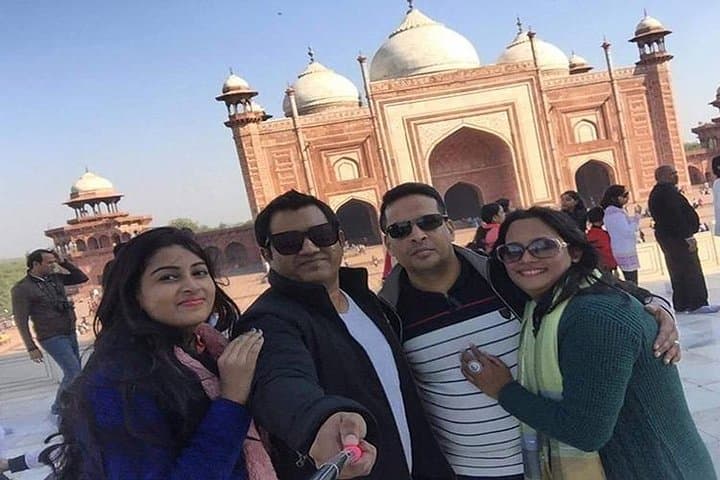
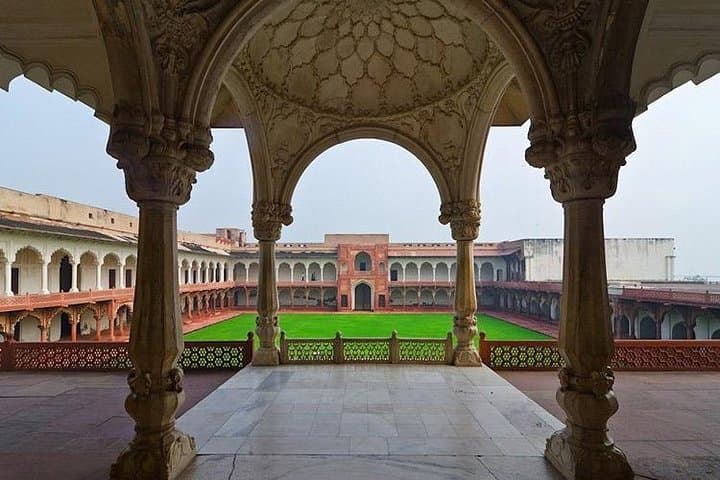
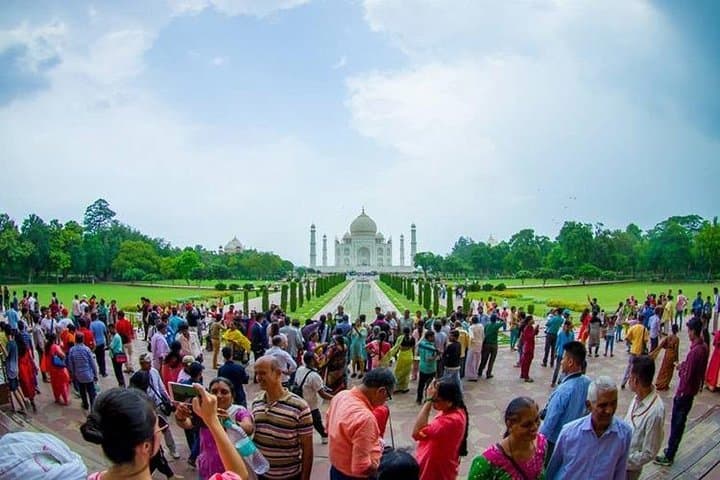
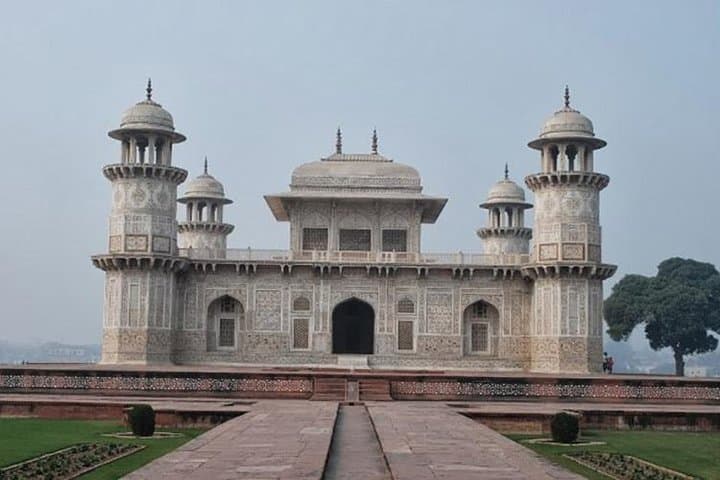
The first light over the Yamuna softens the Taj Mahal’s marble until it seems to breathe—a slow, pale exhale that only a dawn visit reveals. On this overnight from Delhi you trade city traffic for a two-day loop through Mughal powerhouses: Agra Fort, the delicate Baby Taj, Mehtab Bagh’s river-front view, and the red-sandstone courtyards of Fatehpur Sikri.
The first light over the Yamuna softens the Taj Mahal’s marble until it seems to breathe—a slow, pale exhale that only a dawn visit reveals. On this overnight from Delhi you trade city traffic for a two-day loop through Mughal powerhouses: Agra Fort, the delicate Baby Taj, Mehtab Bagh’s river-front view, and the red-sandstone courtyards of Fatehpur Sikri.
These sites chart Mughal ambitions and architectural evolution: Akbar’s fortified palaces and planned city at Fatehpur Sikri, Shah Jahan’s white-marble devotion in Agra. Geologically the region sits on fertile alluvial plains of the Ganges-Yamuna basin; the soft soils and river proximity shaped garden layouts and the orientation of imperial complexes. Culturally, Agra’s markets still hum with brasswork, pietra dura inlay workshops, and street vendors calling out for chai and kebabs.
Practical guidance is straightforward: sunrise at the Taj maximizes light and minimizes crowds, but expect security lines and a Friday closure. The overnight schedule includes hotel accommodation and private transfers via the Yamuna Expressway—traffic windows vary, so buffer travel times. Dress respectfully at religious and heritage sites; comfortable walking shoes are essential on cobbled courtyards and carved marble thresholds. Hydrate in summer and carry a light layer for cool January mornings beside the river.
Local guides can point to inlay workshops and rooftop views that photographers prize; they also advise against touching marble or leaving litter—conservation matters here. With planning, this short but full itinerary turns two days into an efficient primer on Mughal history and why these monuments still command international attention.