THE ADVENTURE COLLECTIVE® · Independent discovery and booking for outdoor travel

Leave Delhi before dawn for a sunrise visit to the Taj Mahal, a guided walk through Agra Fort, and a responsible visit to Wildlife SOS’s Elephant Conservation Centre. This full-day private tour blends Mughal history, artisan craft, and hands-on conservation insight.
Leave Delhi before dawn for a sunrise visit to the Taj Mahal, a guided walk through Agra Fort, and a responsible visit to Wildlife SOS’s Elephant Conservation Centre. This full-day private tour blends Mughal history, artisan craft, and hands-on conservation insight.
Before dawn the road from Delhi flattens into long, silent highway; headlights cut through the mist as the Taj Mahal’s white dome waits beside the Yamuna. Arriving at sunrise, the marble seems to gather light like a held breath — cool at first, then warmed by the day.
Verified experiences and guided adventures in the surrounding area.
Operated by Classic Tours India · Agra, Uttar Pradesh
Before dawn the road from Delhi flattens into long, silent highway; headlights cut through the mist as the Taj Mahal’s white dome waits beside the Yamuna. Arriving at sunrise, the marble seems to gather light like a held breath — cool at first, then warmed by the day.
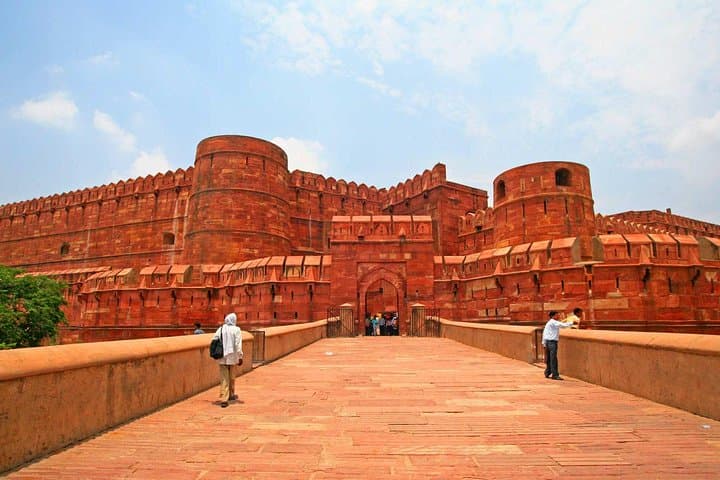
This route threads Mughal history and material geologies: the Taj’s Makrana marble quarried in Rajasthan, the red sandstone of Agra Fort raised under Akbar in the 16th century. Craftspeople nearby still practice pietra dura inlay and marble carving, an artisan legacy tied to the monuments’ original workshops.
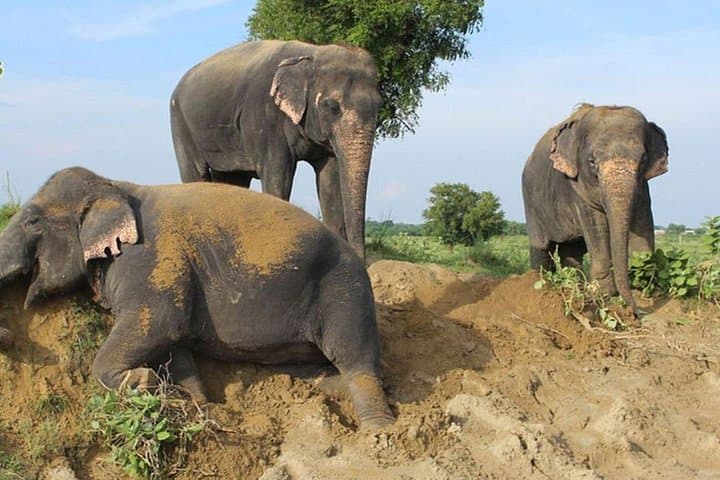
The day pairs cultural immersion with conservation. After a guided walk through the mausoleum and a climb of viewpoints at Agra Fort, the tour moves to Wildlife SOS’s Elephant Conservation and Care Centre. There, rescued Asian elephants — often survivors of street performance and labor — live in larger enclosures and receive veterinary care. The center focuses on rehabilitation, education, and ending exploitative practices.
Practical edge: this is a long, early day (12–14 hours). Expect a 2:30–3:00 AM pickup from Delhi, several security checkpoints at the Taj, and metal detectors; the Taj is closed on Fridays. Bring a passport for monument entry, comfortable walking shoes for uneven stone and courtyards, sun protection for exposed gardens, and a small amount of cash for local vendors. Time your photos for the first light, but leave space in your schedule to absorb the conservation visit — it reframes the monuments you saw in stone by showing the living, human and animal stories that surround them.
easy.
12–14 hours.
Basic fitness required for long day, standing and walking on uneven historic stone surfaces; not strenuous.
Pickups are typically 2:30–3:00 AM from Delhi; expect a 12–14 hour private day trip with return to Delhi by early evening.
The Taj Mahal is closed on Fridays; tours are scheduled on other days and will plan accordingly.
Yes — a current valid passport is required for monument entry and must be carried on the tour.
Wildlife SOS operates a rescue and rehabilitation center; visits are structured to prioritize elephant welfare and education rather than entertainment.
The Taj Mahal was built under Mughal Emperor Shah Jahan in the 17th century using Makrana marble; Agra Fort dates to Akbar (1565) and served as an imperial residence.
Wildlife SOS focuses on rescuing and rehabilitating captive and exploited elephants; responsible visits support care and public education to reduce harmful wildlife practices.
Classic Tours India operates guided outdoor trips and adventures with an emphasis on safety, stewardship, and memorable experiences.


Before dawn the road from Delhi flattens into long, silent highway; headlights cut through the mist as the Taj Mahal’s white dome waits beside the Yamuna. Arriving at sunrise, the marble seems to gather light like a held breath — cool at first, then warmed by the day.
Before dawn the road from Delhi flattens into long, silent highway; headlights cut through the mist as the Taj Mahal’s white dome waits beside the Yamuna. Arriving at sunrise, the marble seems to gather light like a held breath — cool at first, then warmed by the day.
This route threads Mughal history and material geologies: the Taj’s Makrana marble quarried in Rajasthan, the red sandstone of Agra Fort raised under Akbar in the 16th century. Craftspeople nearby still practice pietra dura inlay and marble carving, an artisan legacy tied to the monuments’ original workshops.
The day pairs cultural immersion with conservation. After a guided walk through the mausoleum and a climb of viewpoints at Agra Fort, the tour moves to Wildlife SOS’s Elephant Conservation and Care Centre. There, rescued Asian elephants — often survivors of street performance and labor — live in larger enclosures and receive veterinary care. The center focuses on rehabilitation, education, and ending exploitative practices.
Practical edge: this is a long, early day (12–14 hours). Expect a 2:30–3:00 AM pickup from Delhi, several security checkpoints at the Taj, and metal detectors; the Taj is closed on Fridays. Bring a passport for monument entry, comfortable walking shoes for uneven stone and courtyards, sun protection for exposed gardens, and a small amount of cash for local vendors. Time your photos for the first light, but leave space in your schedule to absorb the conservation visit — it reframes the monuments you saw in stone by showing the living, human and animal stories that surround them.