THE ADVENTURE COLLECTIVE® · Independent discovery and booking for outdoor travel

See the Taj Mahal at first light on a same-day private drive from Delhi. This early start delivers soft marble, fewer crowds, and a compact itinerary covering the Taj, Agra Fort and the Baby Taj.
See the Taj Mahal at first light on a same-day private drive from Delhi. This early start delivers soft marble, fewer crowds, and a compact itinerary covering the Taj, Agra Fort and the Baby Taj.
Before dawn the highway is a ribbon of headlamps and quiet resolve—passengers leaning into sleep as the car hums toward Agra. By the time the silhouette of the Taj Mahal appears, the marble begins to drink light; shadows peel away and the mausoleum steps forward, luminous and exact. The experience is as much about timing as it is about place: sunrise strips the crowds to hushed corridors and reveals details that noon hides.
Verified experiences and guided adventures in the surrounding area.
Operated by Voyageour · Agra, Uttar Pradesh
Before dawn the highway is a ribbon of headlamps and quiet resolve—passengers leaning into sleep as the car hums toward Agra. By the time the silhouette of the Taj Mahal appears, the marble begins to drink light; shadows peel away and the mausoleum steps forward, luminous and exact. The experience is as much about timing as it is about place: sunrise strips the crowds to hushed corridors and reveals details that noon hides.
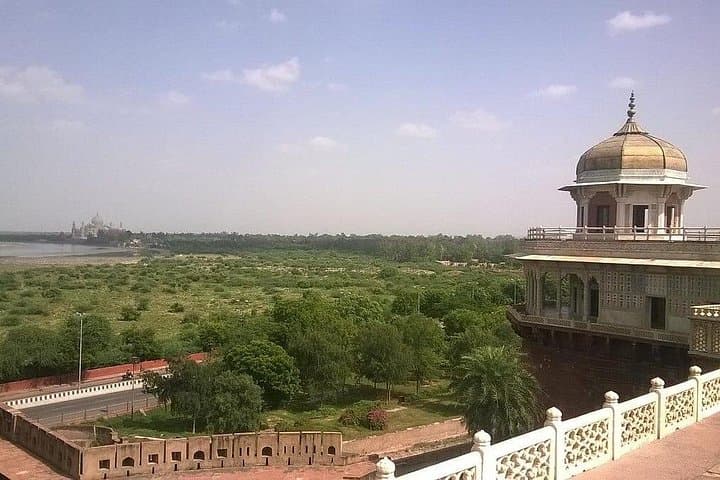
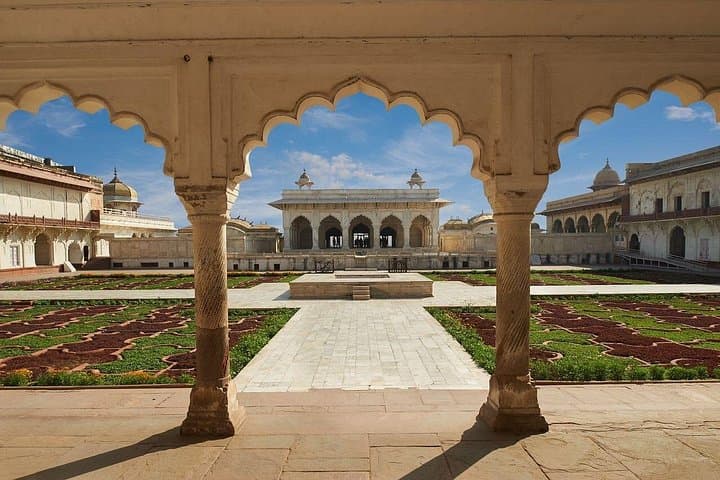
The Taj stands on the banks of the Yamuna, a river that has witnessed Mughal pageantry and the slow accretion of history. Built in the 17th century for Mumtaz Mahal, the monument uses local sandstone and white Makrana marble set against gardens laid out in charbagh geometry. Nearby Agra Fort tells the military and domestic story of Mughal court life, while the smaller Itmad-ud-Daulah shows early pietra dura work that prefigures Taj ornamentation.
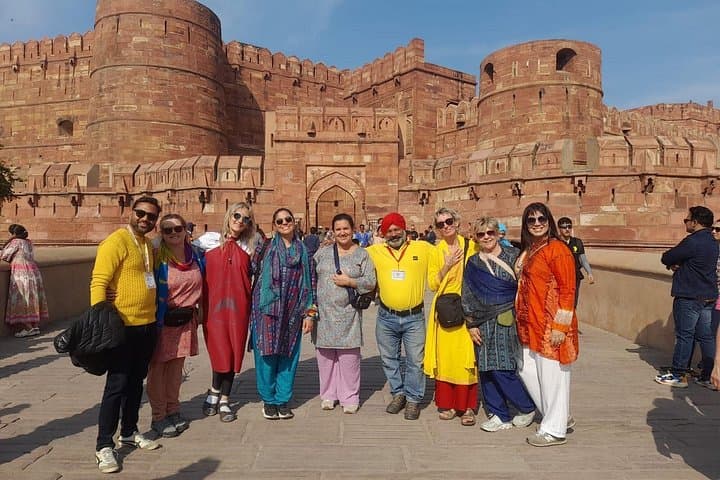
Practically speaking, expect a long day—departures around 2:30–3:00 AM, a two-hour window at the Taj, and visits to Agra Fort and optional Baby Taj before returning to Delhi by evening. The Yamuna’s low light often invites reflection; pigeons and macaques move through the fringes while vendors set up breakfast tables. Guides handle tickets, local logistics, and the short bus transfer from parking to the monument, streamlining the visit.
Pack water, sun protection, comfortable walking shoes, and a small daypack. Schedule allows brief market stops for marble inlays and leatherwork, but the real payoff is those first thirty minutes at the Taj—quiet, exacting, unforgettable.
easy.
12–15 hours.
Suitable for most fitness levels; involves short walks and standing during monument visits.
Via the Yamuna Expressway expect about 3–4 hours each way depending on traffic; the tour typically departs very early to arrive by sunrise.
Options often include monument entry—confirm at booking; guides usually assist with ticketing and the short parking shuttle.
Limited accessibility measures exist including ramps and battery buses from parking; notify the operator in advance for arrangements.
Handheld cameras and phones are permitted, but tripods and drones are restricted; follow onsite rules and guide advice.
The Taj Mahal was commissioned by Shah Jahan in 1632 as a mausoleum for Mumtaz Mahal and combines Persian, Indian and Islamic architectural influences.
High visitor numbers put pressure on marble surfaces and local ecology; follow designated paths, avoid littering, and use refill stations to reduce plastic waste.
Voyageour operates guided outdoor trips and adventures with an emphasis on safety, stewardship, and memorable experiences.

Before dawn the highway is a ribbon of headlamps and quiet resolve—passengers leaning into sleep as the car hums toward Agra. By the time the silhouette of the Taj Mahal appears, the marble begins to drink light; shadows peel away and the mausoleum steps forward, luminous and exact. The experience is as much about timing as it is about place: sunrise strips the crowds to hushed corridors and reveals details that noon hides.
Before dawn the highway is a ribbon of headlamps and quiet resolve—passengers leaning into sleep as the car hums toward Agra. By the time the silhouette of the Taj Mahal appears, the marble begins to drink light; shadows peel away and the mausoleum steps forward, luminous and exact. The experience is as much about timing as it is about place: sunrise strips the crowds to hushed corridors and reveals details that noon hides.
The Taj stands on the banks of the Yamuna, a river that has witnessed Mughal pageantry and the slow accretion of history. Built in the 17th century for Mumtaz Mahal, the monument uses local sandstone and white Makrana marble set against gardens laid out in charbagh geometry. Nearby Agra Fort tells the military and domestic story of Mughal court life, while the smaller Itmad-ud-Daulah shows early pietra dura work that prefigures Taj ornamentation.
Practically speaking, expect a long day—departures around 2:30–3:00 AM, a two-hour window at the Taj, and visits to Agra Fort and optional Baby Taj before returning to Delhi by evening. The Yamuna’s low light often invites reflection; pigeons and macaques move through the fringes while vendors set up breakfast tables. Guides handle tickets, local logistics, and the short bus transfer from parking to the monument, streamlining the visit.
Pack water, sun protection, comfortable walking shoes, and a small daypack. Schedule allows brief market stops for marble inlays and leatherwork, but the real payoff is those first thirty minutes at the Taj—quiet, exacting, unforgettable.