THE ADVENTURE COLLECTIVE® · Independent discovery and booking for outdoor travel

Catch sunrise over the Taj Mahal on a full‑day private tour from Delhi that also visits Agra Fort and Mehtab Bagh. Early pickup and a local guide make this a practical way to see three UNESCO highlights in a single day.
Catch sunrise over the Taj Mahal on a full‑day private tour from Delhi that also visits Agra Fort and Mehtab Bagh. Early pickup and a local guide make this a practical way to see three UNESCO highlights in a single day.
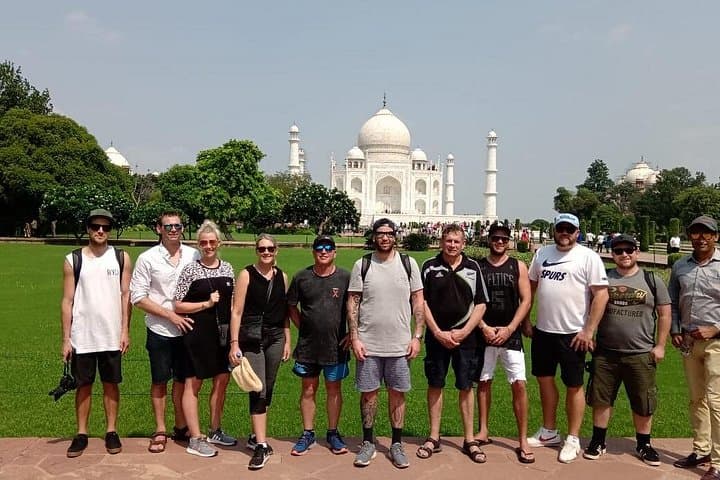
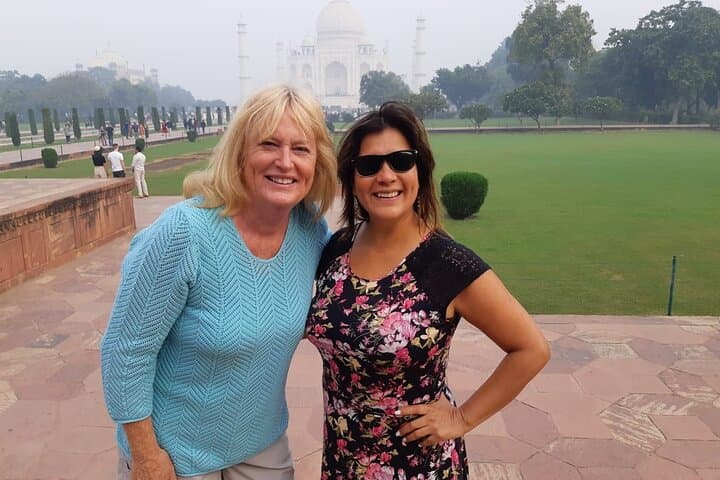
Before the sun clears the Yamuna’s low mist, an air‑conditioned car slides along the expressway toward Agra, the city’s lights dwindling behind. At the Taj Mahal the first light pools across white marble, and the mausoleum shifts from pearly gray to warm cream as the morning advances — a quiet hour that rewards early rising with near‑solitude and clear sightlines.
Verified experiences and guided adventures in the surrounding area.
Operated by India Car Rentals · Agra, Uttar Pradesh
Before the sun clears the Yamuna’s low mist, an air‑conditioned car slides along the expressway toward Agra, the city’s lights dwindling behind. At the Taj Mahal the first light pools across white marble, and the mausoleum shifts from pearly gray to warm cream as the morning advances — a quiet hour that rewards early rising with near‑solitude and clear sightlines.
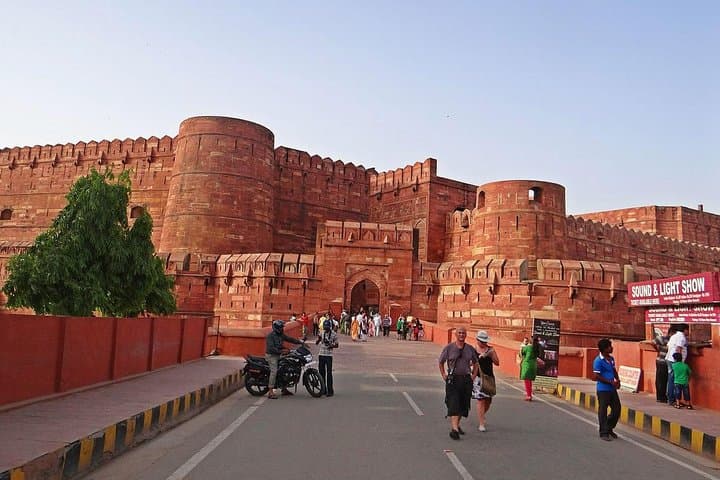
Built by Shah Jahan in the mid‑17th century, the Taj is carved from Makrana marble and set on a red sandstone plinth; its inlaid pietra dura work and calligraphic panels reflect Mughal craft and a deliberate geometry that frames the Yamuna. Across the river, Mehtab Bagh offers a broad, reflective vantage point and fewer crowds. Nearby, Agra Fort — a compact citadel of ramparts and palaces — shows the same layered history in ochre sandstone.
Expect a cultural morning: local guides explain architectural symbolism, artisans in nearby lanes still practice marble inlay, and Agra’s breakfasts often feature petha sweets and spiced chai. The tour then moves to Agra Fort and Mehtab Bagh before returning to Delhi in the afternoon.
Practical notes: bring a valid passport for entry, comfortable flat shoes for garden paths and temple steps, sun protection for open plazas, and a modest outfit for respectful sightseeing. Photography is welcome in gardens and exteriors; rules vary inside the mausoleum. Plan the trip as an early‑start, full‑day outing — the reward is the quiet sunrise moment and a compact immersion in Mughal history.
moderate.
12 hours.
Moderate fitness; able to walk short distances on paved and uneven surfaces and stand during guided explanations.
Check your booking confirmation — some private tours include entrance tickets and skip‑the‑line access, but inclusions vary by operator.
Most itineraries pick up from hotels or the airport in Delhi and return to Delhi in the late afternoon; confirm your specified pickup point when booking.
Photography is allowed in the gardens and exterior; rules inside the main cenotaph chamber are restricted — follow signage and staff instructions.
Children can join, but the early start and full‑day schedule may be tiring; travelers with mobility limitations should check for steps and uneven paths at sites and request assistance in advance.
The Taj Mahal was completed in the 1650s under Mughal emperor Shah Jahan as a mausoleum for Mumtaz Mahal; Agra served as a Mughal capital with layered sandstone and marble architecture.
High visitor numbers stress the site; follow rules, avoid littering, favor early visits to reduce peak‑period crowding and support licensed local guides.
India Car Rentals operates guided outdoor trips and adventures with an emphasis on safety, stewardship, and memorable experiences.

Before the sun clears the Yamuna’s low mist, an air‑conditioned car slides along the expressway toward Agra, the city’s lights dwindling behind. At the Taj Mahal the first light pools across white marble, and the mausoleum shifts from pearly gray to warm cream as the morning advances — a quiet hour that rewards early rising with near‑solitude and clear sightlines.
Before the sun clears the Yamuna’s low mist, an air‑conditioned car slides along the expressway toward Agra, the city’s lights dwindling behind. At the Taj Mahal the first light pools across white marble, and the mausoleum shifts from pearly gray to warm cream as the morning advances — a quiet hour that rewards early rising with near‑solitude and clear sightlines.
Built by Shah Jahan in the mid‑17th century, the Taj is carved from Makrana marble and set on a red sandstone plinth; its inlaid pietra dura work and calligraphic panels reflect Mughal craft and a deliberate geometry that frames the Yamuna. Across the river, Mehtab Bagh offers a broad, reflective vantage point and fewer crowds. Nearby, Agra Fort — a compact citadel of ramparts and palaces — shows the same layered history in ochre sandstone.
Expect a cultural morning: local guides explain architectural symbolism, artisans in nearby lanes still practice marble inlay, and Agra’s breakfasts often feature petha sweets and spiced chai. The tour then moves to Agra Fort and Mehtab Bagh before returning to Delhi in the afternoon.
Practical notes: bring a valid passport for entry, comfortable flat shoes for garden paths and temple steps, sun protection for open plazas, and a modest outfit for respectful sightseeing. Photography is welcome in gardens and exteriors; rules vary inside the mausoleum. Plan the trip as an early‑start, full‑day outing — the reward is the quiet sunrise moment and a compact immersion in Mughal history.