THE ADVENTURE COLLECTIVE® · Independent discovery and booking for outdoor travel

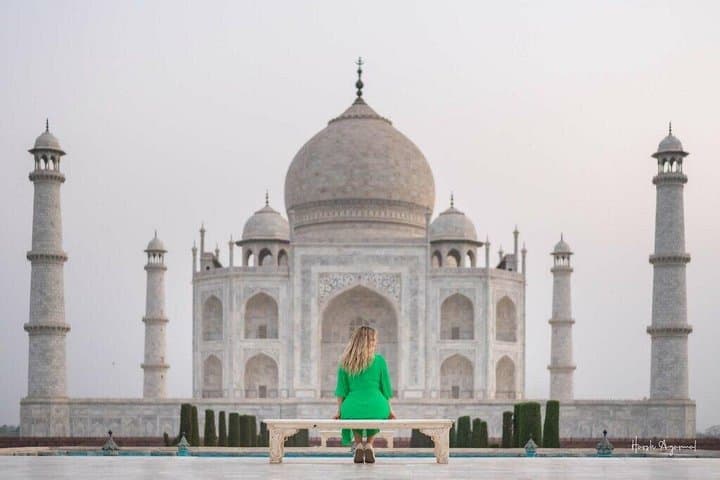
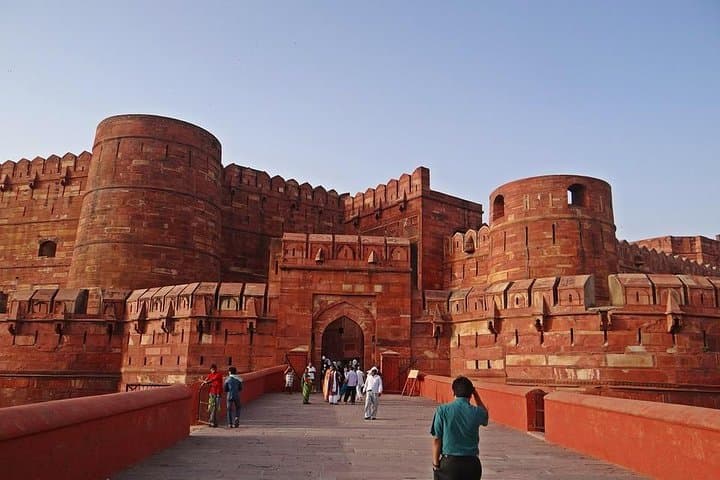
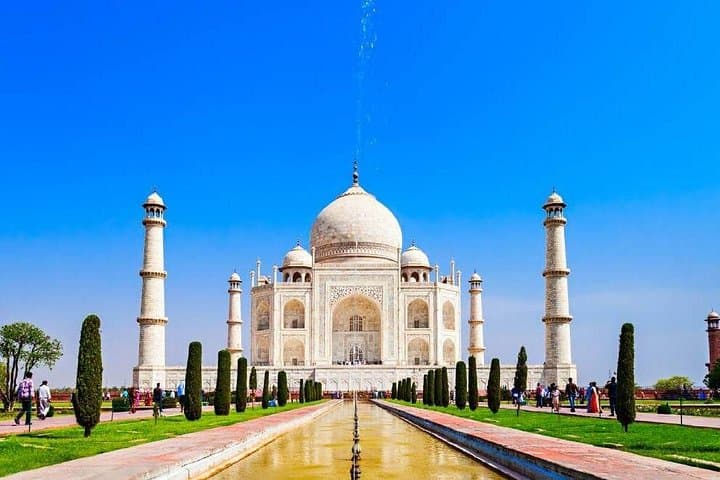
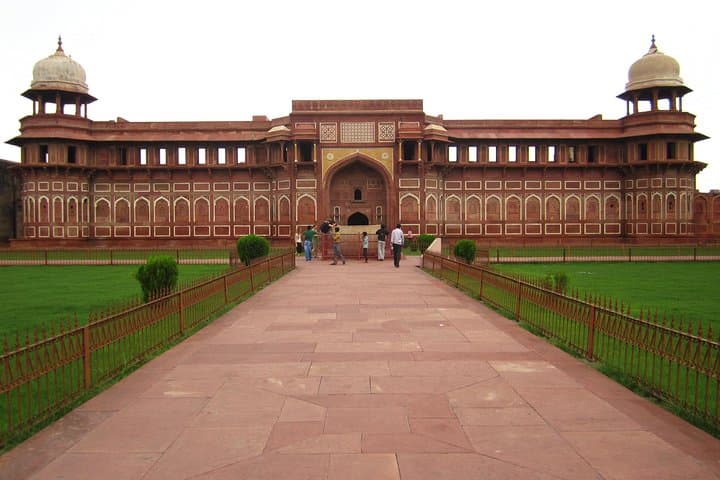
Make an early start from Delhi to catch the Taj Mahal at first light, then move through Agra Fort and the Baby Taj before sunset views at Mehtab Bagh — a private, full-day drive that balances comfort with concentrated history.
Make an early start from Delhi to catch the Taj Mahal at first light, then move through Agra Fort and the Baby Taj before sunset views at Mehtab Bagh — a private, full-day drive that balances comfort with concentrated history.
Before the sun lifts its first light over the Yamuna, a private car rolls out of Delhi and slips onto the expressway—three hours of flat, cultivated plains between the capital and Agra where the horizon widens and the air cools.
Verified experiences and guided adventures in the surrounding area.
Operated by Travel Trip India · Agra, Uttar Pradesh
Before the sun lifts its first light over the Yamuna, a private car rolls out of Delhi and slips onto the expressway—three hours of flat, cultivated plains between the capital and Agra where the horizon widens and the air cools.
Arrive at the Taj Mahal just as pale light sharpens ivory marble into relief; the mausoleum’s scale and inlay work become easier to read in that quiet hour. Later stops—Agra Fort’s red sandstone courts and the delicate pietra dura of Itimad-ud-Daulah—trace Mughal architecture from fortress to funerary art. The route skirts history: Akbar’s successors reshaped the cityscape, the Yamuna did the rest, carrying silt and shaping riverbank gardens like Mehtab Bagh, which frames the Taj at sunset.
Culturally, Agra is Mughal craft and Punjabi influence—street vendors roasting spices, marble workshops polishing panels learned across generations. Geologically the plain is alluvial, the monuments set on raised foundations above seasonal floods.
Practically, this is a long, driven day with intermittent walking on paved paths and stone steps. Expect 12–14 hours total door-to-door, with 2–4 hours of on-foot exploration between sites. Dress for shade and easy movement; mornings are cooler, afternoons can be hot and dusty. Carry ID for monument entry, buy tickets in advance to reduce wait times, and allow flexibility for traffic both ways. Photography is allowed at most viewpoints but restricted inside certain interiors. For travelers who value comfort and history over rugged exertion, the private car day trip packs three UNESCO-era highlights into one manageable, photo-rich day.
easy.
12–14 hours.
Suitable for travelers in average fitness—mostly seated travel with periods of easy to moderate walking and stair climbing.
Yes—buying tickets online saves time and guarantees entry during peak sunrise slots.
Most private day trips include door-to-door pickup and drop-off within Delhi; confirm your pickup point when booking.
Expect 2–4 hours of walking in total across sites, with mostly paved and stepped surfaces; minimal hiking required.
Photography is allowed in the grounds, but some interiors have restrictions—follow onsite signage and staff directions.
Agra rose to prominence under the Mughals; the Taj Mahal (1632–1653) was built by Shah Jahan as a mausoleum for Mumtaz Mahal and shifted regional craft toward marble inlay.
Visitor limits, ticketing controls, and heritage conservation programs manage crowding and stone erosion; minimize litter, avoid touching inlay work, and use local guides to support preservation.
Travel Trip India operates guided outdoor trips and adventures with an emphasis on safety, stewardship, and memorable experiences.
Before the sun lifts its first light over the Yamuna, a private car rolls out of Delhi and slips onto the expressway—three hours of flat, cultivated plains between the capital and Agra where the horizon widens and the air cools.
Before the sun lifts its first light over the Yamuna, a private car rolls out of Delhi and slips onto the expressway—three hours of flat, cultivated plains between the capital and Agra where the horizon widens and the air cools.
Arrive at the Taj Mahal just as pale light sharpens ivory marble into relief; the mausoleum’s scale and inlay work become easier to read in that quiet hour. Later stops—Agra Fort’s red sandstone courts and the delicate pietra dura of Itimad-ud-Daulah—trace Mughal architecture from fortress to funerary art. The route skirts history: Akbar’s successors reshaped the cityscape, the Yamuna did the rest, carrying silt and shaping riverbank gardens like Mehtab Bagh, which frames the Taj at sunset.
Culturally, Agra is Mughal craft and Punjabi influence—street vendors roasting spices, marble workshops polishing panels learned across generations. Geologically the plain is alluvial, the monuments set on raised foundations above seasonal floods.
Practically, this is a long, driven day with intermittent walking on paved paths and stone steps. Expect 12–14 hours total door-to-door, with 2–4 hours of on-foot exploration between sites. Dress for shade and easy movement; mornings are cooler, afternoons can be hot and dusty. Carry ID for monument entry, buy tickets in advance to reduce wait times, and allow flexibility for traffic both ways. Photography is allowed at most viewpoints but restricted inside certain interiors. For travelers who value comfort and history over rugged exertion, the private car day trip packs three UNESCO-era highlights into one manageable, photo-rich day.